

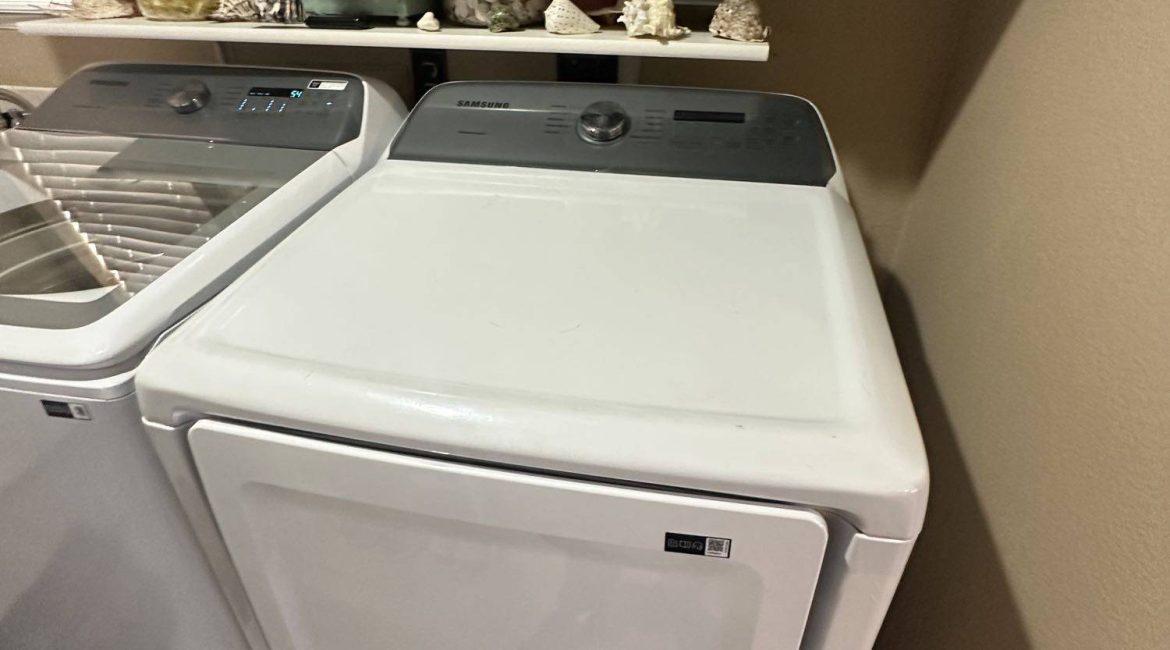
When freshly washed clothes come out of the machine with gray streaks or smudges, the problem usually points back to contamination inside the washer rather than the detergent or fabric itself. These marks often appear on light-colored items first, especially cotton shirts, towels, and bed linens that easily absorb residue.
Understanding where this buildup comes from helps prevent repeated damage and avoids unnecessary replacement of clothing.
What causes gray marks on laundry
One of the most common sources is the rubber door seal. Front-load washers are especially prone to this issue. Moisture, detergent residue, lint, and fabric softener accumulate in the folds of the gasket. Over time, this mixture turns into a sticky gray film that transfers onto clothes during the spin cycle.
Another frequent cause is internal grease or oil leakage from worn drum bearings. When bearings begin to fail, they can release dark lubricant residue that mixes with wash water. This type of contamination is more serious because it indicates mechanical wear inside the machine.
Detergent buildup is also a major factor. Using too much detergent or consistently washing on low-temperature cycles prevents full dissolution. The undissolved particles combine with minerals from hard water, forming gray sludge that sticks to the drum and eventually transfers to fabric.
In some cases, the issue comes from the outer drum or internal tub. Over time, fabric fibers, detergent scum, and dirt collect in hidden areas that are not reached during standard wash cycles. During agitation or high-speed spinning, this residue breaks loose and lands on clothing.
Hard water worsens the situation. High mineral content interacts with soap, producing insoluble compounds that cling to both the machine and textiles. Without periodic descaling, the buildup becomes increasingly difficult to remove.
Signs the problem is mechanical
If gray marks appear along with unusual noise, vibration, or a burning smell, the issue may be mechanical rather than simple residue. Worn seals around the drum shaft can allow lubricants to seep into the wash water. Similarly, deteriorating suspension components can lead to uneven spinning, which causes debris to dislodge from internal surfaces.
A damaged drum bearing often produces additional symptoms such as rumbling sounds during spin cycles and increased vibration. In these cases, cleaning alone will not resolve the problem because the source is inside the machine’s structure.
How to diagnose the source
Start by inspecting the door gasket carefully. Look for black or gray slime in folds and corners. Wipe it with a white cloth; if the cloth picks up residue, the seal is likely the main contributor.
Next, run an empty hot-water cycle with a machine cleaner or descaling agent. If gray residue continues to appear afterward, the contamination is likely deeper inside the drum or piping system.
Check detergent usage as well. Overfilling the dispenser or using non-HE detergent in modern machines often leads to buildup that cannot be fully rinsed out.
Preventing future staining
Regular maintenance significantly reduces the risk of gray marks returning. Leaving the door open after each wash helps the interior dry and discourages mold growth. Cleaning the rubber seal weekly prevents residue buildup in hidden folds.
Using the correct detergent dosage is equally important. High-efficiency machines require less soap than many users assume. Reducing detergent quantity improves rinsing performance and limits residue formation.
Monthly cleaning cycles with a descaling product help break down mineral deposits and soap scum inside the drum and hoses. This keeps water circulation consistent and reduces contamination risks.
For homes with hard water, installing a water softener or using additives designed for mineral control can make a noticeable difference in wash quality.
When professional repair is necessary
If stains persist despite thorough cleaning, the issue likely involves internal components such as bearings, seals, or the outer tub. These parts require disassembly and inspection. Continuing to use the machine in this condition can worsen mechanical damage and increase repair costs.
A technician can identify whether the residue is caused by worn mechanical parts or buildup in hidden areas of the washer system. In many cases, replacing a degraded seal or bearing resolves the contamination completely.
Gray marks on clothing are a warning sign that the washing machine is no longer cleaning at full efficiency. The cause can range from simple detergent buildup to deeper mechanical wear inside the drum assembly. Early attention prevents long-term damage to both clothes and the appliance.
For accurate diagnosis and repair, professional service ensures the problem is addressed at its source.
For assistance and full inspection, contact Poway Appliance Repair Service Center and schedule a service visit before the issue becomes more serious.
Contact us