

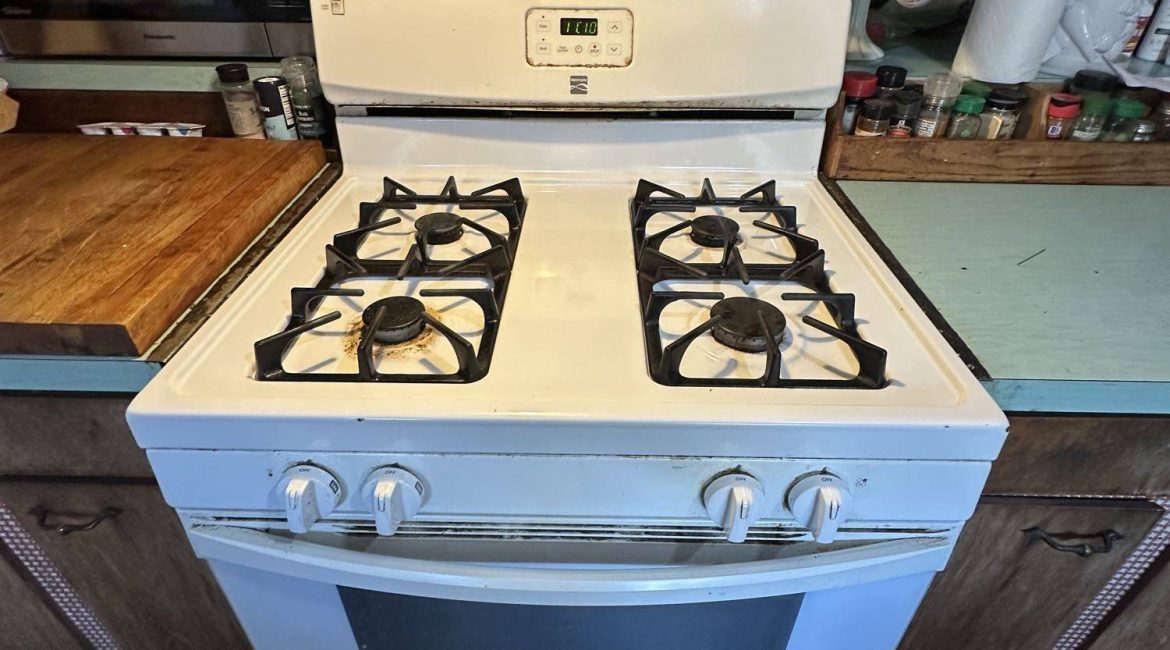
A gas odor before ignition from a stove burner is a warning sign that the combustion process is not starting cleanly or immediately. In a properly functioning system, gas should ignite almost instantly after the control knob is turned. When there is a noticeable delay, gas accumulates briefly before ignition, creating that smell. This condition points to an imbalance in gas flow, ignition timing, or burner cleanliness, and it should not be ignored.
Understanding what causes this symptom helps prevent unsafe operation and avoids more serious faults in the future.
What the symptom actually indicates
The smell of gas before ignition usually means the burner is releasing fuel, but the spark or flame is not catching it at the right moment. That delay can be fractions of a second, but it is enough for unburned gas to spread around the burner area. While occasional minor delays can happen, repeated occurrences signal a technical issue that needs attention.
Common causes behind delayed ignition
One of the most frequent reasons is blocked burner ports. Food residue, grease, and cleaning agents can partially clog the small openings where gas exits. When gas flow is uneven, ignition becomes inconsistent and delayed.
Another typical issue is a worn or weak igniter. If the spark is too slow or inconsistent, gas is released before ignition occurs. Over time, igniters can crack, shift out of position, or lose efficiency due to heat exposure.
Gas orifice contamination is another factor. The orifice controls how much gas reaches the burner. Even minor buildup inside this component changes pressure and disrupts the fuel-air mix required for quick ignition.
Pressure irregularities in the gas supply system can also contribute. If the regulator is not maintaining stable pressure, the burner may release gas in a way that does not match the ignition timing. This creates a short delay before combustion begins.
Misaligned burner caps are another overlooked cause. If the cap is not seated properly, gas disperses unevenly instead of forming a controlled pattern around the igniter.
In some cases, the issue comes from the control valve. If it opens slightly slower than intended, gas starts flowing before ignition is fully active, producing that brief odor.
Why this issue should not be ignored
Even though the smell may seem minor, delayed ignition increases exposure to unburned gas. Over time, this can create an unsafe kitchen environment, especially in poorly ventilated spaces. It also places extra stress on ignition components, accelerating wear and increasing the likelihood of more expensive repairs.
Repeated ignition delays can also damage burner assemblies, as small gas pockets ignite unevenly, producing small flare-ups that affect metal components.
What can be checked safely at home
Some basic checks can help identify simple causes. Burner caps should be inspected to ensure they are properly aligned. Cleaning the burner ports with a soft brush or a non-metallic tool can remove surface buildup that restricts gas flow.
It is also worth observing the igniter during startup. A consistent, strong spark should appear immediately when the knob is turned. Any hesitation or weak sparking suggests a component issue.
However, internal gas flow systems, regulators, and valves should not be adjusted without proper tools and expertise.
When professional service becomes necessary
If cleaning and basic inspection do not resolve the delay, the issue likely involves deeper mechanical or electrical components. Igniter replacement, gas valve calibration, or pressure testing requires specialized equipment. Continuing to use the stove in this condition is not recommended, as the risk of repeated gas buildup remains.
A technician can accurately diagnose whether the problem is isolated to a single burner or affects the entire gas supply system.
A gas smell before ignition is a clear signal that the burner is not operating at the correct timing or pressure balance. While the cause may be simple buildup or misalignment, it can also indicate wear in ignition or gas control components. Addressing the issue early prevents further deterioration and keeps the appliance operating safely and efficiently.
For accurate diagnosis and repair, professional inspection is the most reliable solution.
Contact Poway Appliance Repair Service Center to schedule service and restore safe, stable operation of your gas stove.
Contact us