
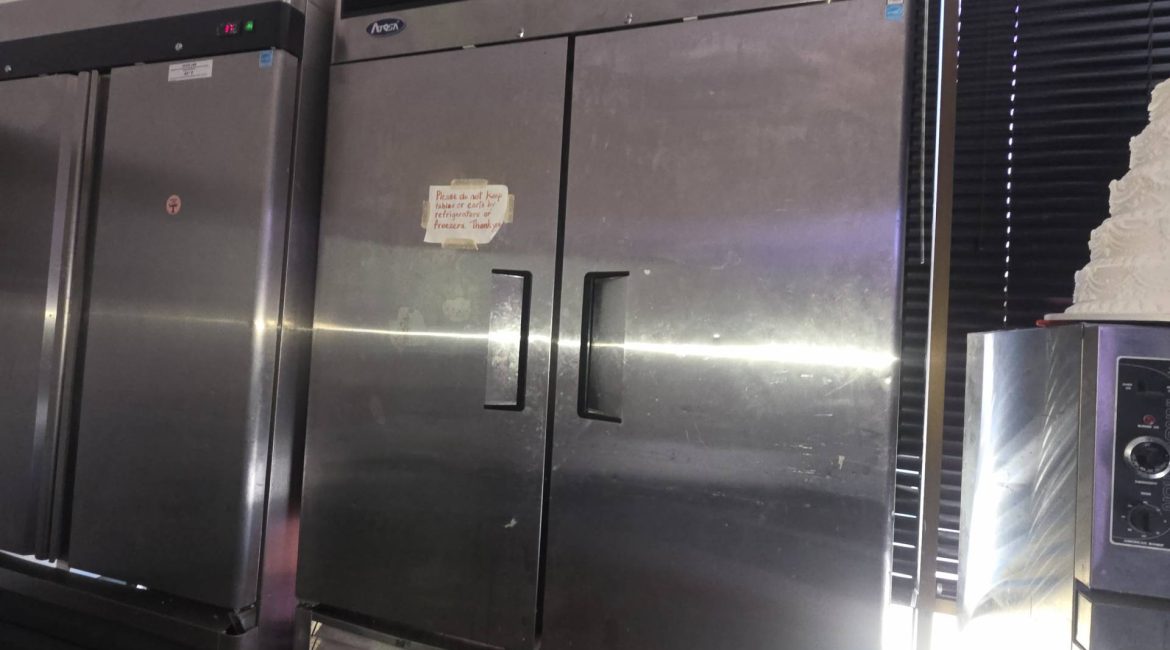
Commercial refrigerators are designed to operate continuously, keeping food, beverages, and perishable inventory at safe temperatures around the clock. When a problem develops, many modern units display an error code on the control panel. These codes help technicians and business owners identify issues before they lead to product loss, rising energy costs, or complete equipment failure.
While error codes vary by manufacturer, many commercial refrigeration systems use similar alerts for temperature sensors, evaporator problems, condenser issues, and communication failures. Understanding the meaning behind these codes can help you determine whether a simple correction is possible or if professional commercial refrigerator repair is needed.
Temperature Sensor Errors
One of the most common refrigerator error codes involves temperature sensors. These sensors monitor internal cabinet temperatures and send information to the control board.
Common codes may appear as:
- E1
- S1
- T1
- Sensor Error
When a sensor fails, becomes disconnected, or provides inaccurate readings, the refrigerator may struggle to maintain proper cooling temperatures. Symptoms often include temperature fluctuations, excessive compressor operation, or inconsistent product temperatures.
Before calling for service, inspect visible wiring connections if accessible. However, damaged sensors usually require replacement and calibration by a qualified technician.
Evaporator Sensor or Defrost Errors
Many commercial refrigerators include a dedicated sensor that monitors evaporator coil temperature during cooling and defrost cycles.
Typical codes include:
- E2
- Defrost Sensor Error
- Coil Sensor Fault
A faulty evaporator sensor can prevent proper defrost operation. As frost accumulates on the evaporator coil, airflow becomes restricted, forcing the system to work harder while reducing cooling performance.
Business owners may notice:
- Ice buildup
- Longer cooling cycles
- Higher energy consumption
- Warm product temperatures
Ignoring these codes can eventually lead to compressor strain and costly repairs.
High Temperature Alarms
High-temperature warnings are among the most urgent refrigerator alerts.
These may appear as:
- HI
- H1
- High Temp Alarm
- Temperature Warning
The refrigerator is informing you that internal temperatures have exceeded safe operating limits.
Potential causes include:
- Doors left open
- Damaged door gaskets
- Blocked airflow
- Dirty condenser coils
- Refrigerant issues
- Failing compressor components
Start by checking whether doors close properly and verify that vents inside the cabinet remain unobstructed. If temperatures continue rising, professional diagnostics are recommended immediately to prevent inventory loss.
Low Temperature Alarms
While less common, some units generate low-temperature alarms.
Examples include:
- LO
- L1
- Low Temp Warning
This occurs when the refrigerator cools below its intended operating range.
Possible causes include:
- Defective temperature sensors
- Stuck relays
- Control board problems
- Incorrect thermostat settings
Products stored at excessively low temperatures may freeze unexpectedly, affecting quality and usability.
Condenser Temperature Errors
Commercial refrigerators rely on condenser coils to release heat efficiently. When condenser temperatures rise beyond acceptable limits, the system may display alerts such as:
- E3
- Condenser Alarm
- High Condenser Temperature
Several conditions can trigger this error:
- Dirty condenser coils
- Blocked ventilation
- Failed condenser fan motors
- High ambient room temperatures
Routine condenser cleaning is one of the most effective ways to prevent these warnings. Dust and grease accumulation can significantly reduce system efficiency and increase operating costs.
Defrost System Failures
Automatic defrost systems prevent ice accumulation on evaporator coils. When the defrost cycle malfunctions, the control board often generates a warning code.
Common indicators include:
- DF
- Defrost Error
- E4
Possible causes include:
- Failed defrost heaters
- Defective termination sensors
- Faulty timers
- Control board failures
If frost continues building inside the system, cooling performance will gradually decline. Addressing defrost errors early helps prevent larger refrigeration problems.
Fan Motor Errors
Commercial refrigeration systems depend on evaporator and condenser fans to move air efficiently.
Common fan-related codes include:
- F1
- F2
- Fan Error
A failed fan motor can cause:
- Uneven cooling
- Excessive frost
- Compressor overheating
- Increased energy use
Listen for unusual noises, grinding sounds, or complete fan inactivity. Fan motor issues should be inspected promptly to avoid secondary damage.
Communication Errors
Many modern commercial refrigerators use multiple electronic boards that communicate with one another.
When communication fails, the display may show:
- CE
- COMM Error
- Communication Fault
These errors often result from:
- Loose wiring
- Damaged communication cables
- Voltage fluctuations
- Failed control boards
Because communication faults involve electronic diagnostics, professional service is usually required.
Compressor Protection Errors
Some advanced refrigeration systems include compressor protection features that shut down operation when unsafe conditions are detected.
Common codes include:
- CP
- P1
- Compressor Error
Potential causes include:
- Overheating
- Voltage irregularities
- Refrigerant problems
- Mechanical compressor wear
Repeated compressor-related codes should never be ignored. Compressor replacement is one of the most expensive refrigeration repairs, and early intervention may prevent complete failure.
When to Call a Professional
Although resetting the unit or cleaning condenser coils may resolve some alerts, recurring error codes typically indicate an underlying issue that requires professional attention.
Warning signs that warrant immediate service include:
- Repeated alarm codes
- Rising cabinet temperatures
- Excessive frost buildup
- Unusual noises
- Frequent cycling
- Product spoilage
A trained technician can accurately diagnose sensor failures, electrical issues, airflow restrictions, refrigerant problems, and control board malfunctions before they lead to major downtime.
If your commercial refrigerator is displaying error codes or struggling to maintain safe temperatures, contact Poway Appliance Repair Service Center. Our experienced technicians provide fast, reliable commercial refrigerator repair, helping local businesses minimize downtime and protect valuable inventory. Schedule your service today and keep your refrigeration equipment operating at peak performance.
Contact us