

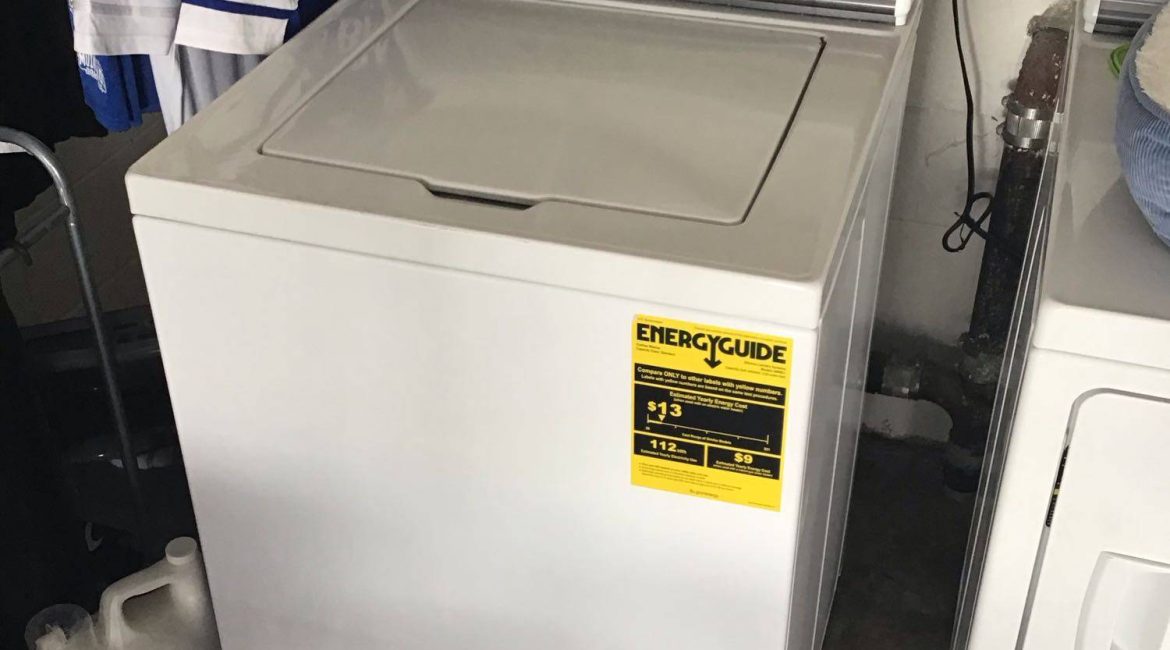
The Heavy Duty cycle on a Samsung washing machine is designed to clean heavily soiled clothing, towels, bedding, and other durable fabrics that require more intensive washing. However, when the appliance fails to drain after completing this program, homeowners may discover standing water inside the drum and laundry that remains completely saturated. This problem frequently develops due to restricted drainage, accumulated debris, or deteriorating pump components. Understanding how the drainage system operates and recognizing potential malfunctions can help prevent additional appliance damage and restore dependable washing performance.
Why Drainage Problems Occur After the Heavy Duty Cycle
Heavy Duty washing programs typically involve extended washing periods and more intensive mechanical action than standard laundry cycles. During these programs, substantial amounts of lint, dirt, fabric fibers, and other particles may become separated from clothing and enter the drainage system.
Although Samsung washing machines are designed to handle these conditions, accumulated debris can gradually restrict water movement through internal drainage components. When the drain pump cannot remove wastewater efficiently, the appliance may interrupt the selected program, display an error code, or prevent the final spin cycle from beginning.
Repeated drainage problems following intensive washing programs may indicate that an existing restriction or mechanical malfunction requires professional attention.
Clogged Drain Filter
Many Samsung front-loading washing machines feature a drain pump filter designed to capture small objects and debris before they enter the pump assembly. Over time, accumulated lint, hair, detergent residue, coins, and other foreign materials can obstruct the filter and significantly reduce drainage efficiency.
When the filter becomes severely clogged, wastewater may remain inside the drum even though the drain pump continues operating. Homeowners may also notice unusual humming sounds, extended cycle durations, and unpleasant odors developing inside the appliance.
Cleaning the drain filter according to the manufacturer’s instructions may restore normal drainage when the obstruction is accessible. However, persistent drainage problems after filter maintenance may indicate additional restrictions within the internal drainage system.
Defective Drain Pump
The drain pump removes wastewater from the washing machine during several stages of the selected laundry program. Its operation depends on an internal motor and impeller that generate sufficient water movement to discharge wastewater through the drain hose.
Prolonged mechanical stress, foreign objects, and natural component deterioration can affect pump performance. A damaged impeller may prevent the pump from moving water effectively, while electrical motor failure can cause the assembly to stop operating entirely.
Common indications of drain pump problems include persistent humming without water movement, unusual grinding sounds, incomplete drainage, and recurring error notifications. Professional diagnostics can determine whether the pump requires cleaning or replacement.
Blocked or Damaged Drain Hose
The drain hose provides a passage through which wastewater travels from the washing machine to the household drainage system. During regular appliance operation, detergent residue, lint, and other materials may accumulate inside the hose, gradually restricting water flow.
Improper installation, excessive bending, or compression behind the washing machine can also prevent wastewater from moving freely. These restrictions may become particularly noticeable during intensive washing programs when the drainage system must handle accumulated debris from heavily soiled fabrics.
Inspecting accessible sections of the drain hose for visible damage or sharp bends can help identify external drainage restrictions before more extensive diagnostics are performed.
Excessive Detergent and Suds Accumulation
Using excessive detergent during Heavy Duty washing programs can contribute to drainage difficulties, particularly in high-efficiency Samsung washing machines. Excessive suds may interfere with water level detection and cause the appliance to extend rinsing or drainage operations.
Detergent residue can also accumulate within the drain filter, hoses, and pump assembly, combining with lint and other particles to form stubborn obstructions. These deposits may gradually reduce drainage efficiency and contribute to unpleasant odors.
Following manufacturer recommendations regarding detergent type and quantity can help prevent unnecessary residue accumulation and support consistent drainage performance.
Water Level Sensor and Electronic Control Problems
The water level sensor provides information to the electronic control board regarding the amount of water remaining inside the washing machine. If the sensor becomes defective or its associated pressure hose develops a blockage, the control system may receive inaccurate information during drainage.
Electronic control board malfunctions and damaged wiring connections can also interrupt communication between the drain pump and other operating components. Consequently, the washing machine may fail to activate the pump or incorrectly determine that drainage has been completed.
Because electronic and mechanical drainage problems can produce similar symptoms, accurate diagnostics are necessary before replacing expensive components.
Preventing Recurring Washing Machine Drainage Problems
Regular maintenance can significantly reduce the likelihood of drainage failures, particularly in households that frequently wash heavy fabrics and heavily soiled clothing. Checking clothing pockets, cleaning accessible drain filters, using appropriate detergent quantities, and avoiding excessive laundry loads can help protect the drainage system.
If standing water remains inside the washing machine, disconnect the appliance from its power source before performing manufacturer-approved maintenance. Allow hot wastewater to cool before attempting emergency drainage, and avoid forcing the door open while water remains inside the drum.
Professional Samsung Washing Machine Repair in Poway
Persistent drainage problems require careful inspection to determine whether the malfunction involves a clogged filter, defective drain pump, damaged hose, or electronic control system.
Poway Appliance Repair Service Center provides professional Samsung washing machine diagnostics and repair services to address drainage failures and restore dependable appliance operation. Our technicians can identify the underlying problem and recommend an appropriate repair solution.
Contact Poway Appliance Repair Service Center today to schedule professional washing machine repair and prevent recurring drainage problems from disrupting your laundry routine.
Contact us
(858) 203-0990
