
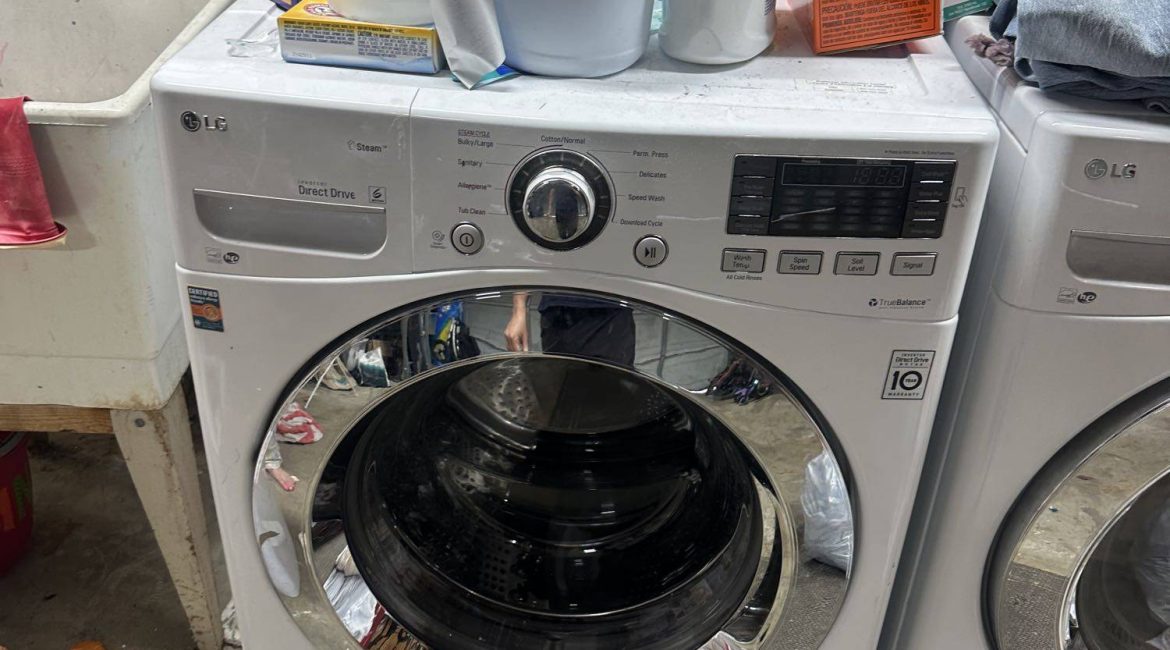
A washing machine is a cornerstone of modern domestic convenience, but few sights are as frustrating as walking into a laundry room to find a mountain of soap suds escaping the detergent drawer. While a “soap party” might seem like a minor nuisance, foam overflow can damage internal electronic components, cause leaks that ruin flooring, and leave your clothes poorly rinsed. Understanding why this happens requires a look into the delicate balance between chemical concentrations and the machine’s internal monitoring systems.
The Science of the Suds: Detergent Regulation
The most common culprit for foam overflow is not a mechanical failure, but a chemistry mismatch. Modern high-efficiency (HE) washing machines are designed to operate with significantly less water than older models. Consequently, they require low-sudsing detergents specifically formulated for these conditions.
If you use standard detergent in an HE machine, or simply use too much of the correct detergent, the mechanical action of the drum creates an excessive volume of air bubbles. Unlike a bathtub, a washing machine is a closed system. When the suds have nowhere else to go, the pressure forces them out through the path of least resistance: the detergent dispenser drawer.
Furthermore, water hardness plays a critical role. If your home has a water softening system, you actually need significantly less detergent than the manufacturer’s label suggests. Soft water amplifies the foaming properties of soap. Conversely, using very hot water with certain detergents can cause them to react more vigorously, leading to unexpected overflow.
The Role of Pressure Switches and Foam Sensors
When the detergent levels are correct but the machine still overflows, the issue often lies with the internal sensors. Modern appliances are equipped with a pressure switch (or pressure sensor) and, in many high-end models, a dedicated “Suds Detection” system.
The pressure switch monitors the water level by measuring air pressure in a small tube. If this tube becomes partially blocked by old soap residue or debris, the sensor may provide an incorrect reading. This can cause the machine to overfill or fail to recognize that the drum is filled with foam rather than water.
Advanced machines use the motor’s control board to detect foam. Since foam is denser than air but lighter than water, it creates a specific type of resistance against the drum as it spins. If the sensor is faulty, the machine’s “Suds Routine”—which should automatically trigger extra rinses to dissipate the bubbles—will not activate. This leads to a continuous cycle of foam production until it spills out of the drawer.
Mechanical Blockages and Drainage Issues
Sometimes, the foam isn’t the primary problem, but a symptom of a drainage restriction. If the drain pump filter is clogged or the drain hose is kinked, the soapy water stays in the drum longer than intended. As the drum continues to agitate the remaining water, it “whips” the detergent into a thick foam. Because the water level remains high, the foam builds up quickly and exits through the dispenser.
Regularly cleaning the “coin trap” or pump filter is essential. Small items like socks, coins, or lint buildup can slow the exit of water, creating the perfect environment for a foam backup.
Immediate Steps for a Suds Emergency
If your machine is currently overflowing, do not simply wipe up the floor and restart the cycle. Follow these steps:
- Cancel the Cycle: Stop the machine immediately to prevent further foam production.
- Add Fabric Softener: If you can open the door (or through the drawer), pour in a capful of fabric softener mixed with a liter of cold water. Fabric softener acts as a chemical de-foaming agent.
- Run a Rinse/Spin Cycle: Select a cycle that uses only cold water to flush out the excess residue.
- Clean the Drawer: Remove the detergent drawer entirely and scrub away any “slugs” of old, gelatinous detergent that may be obstructing the path.
Professional Intervention
While adjusting your detergent dosage is a simple DIY fix, sensor malfunctions and internal blockages require a professional touch. Opening a modern washing machine involves navigating complex wiring and sensitive electronic boards that can be easily damaged or pose an electrical risk.
If your machine consistently displays “SUD” or “5UD” error codes, or if the overflow persists despite using HE-compatible soap, it is time to consult an expert. A technician can calibrate the pressure sensors, clear internal breather tubes, and ensure your drainage system is operating at peak efficiency.
Don’t let a foaming washing machine dampen your household routine or damage your home. If you are experiencing persistent overflow issues, sensor errors, or drainage problems, get expert help today.
Contact Poway Appliance Repair Service Center. Our team of certified technicians specializes in diagnosing and repairing all major washing machine brands. We provide fast, reliable, and professional service to get your laundry room back in order.
Call us today to schedule your diagnostic appointment and ensure your appliances are running smoothly.
Contact us