

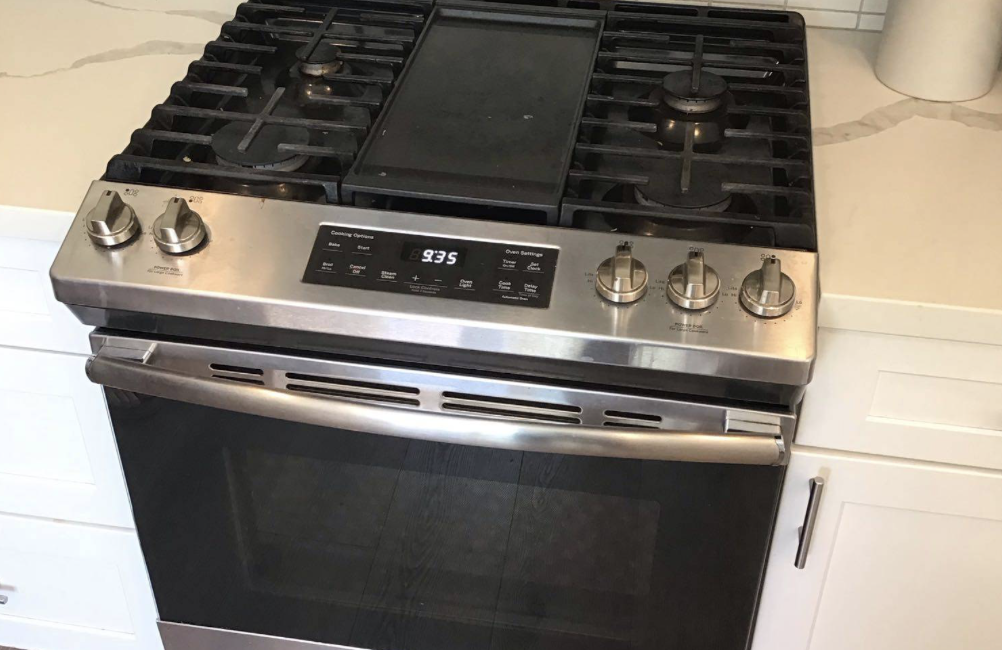
A Thermador gas range is designed to deliver reliable, even heat for baking, roasting, and broiling. When the oven ignites but the flame goes out after a few seconds or minutes, cooking becomes frustrating and unpredictable. If your Thermador gas range oven won’t stay lit, the problem is often related to a faulty flame sensor, a failing safety valve, or another component in the ignition system. Understanding what causes this issue can help you avoid unnecessary damage and know when it’s time to call a professional.
How a Thermador Gas Oven Stays Lit
Once the oven is turned on, the igniter lights the gas flowing through the burner. The flame sensor confirms that a flame is present. As long as the sensor detects the flame, the gas safety valve remains open, allowing the burner to continue operating. If the flame sensor fails to detect the flame correctly, or if the safety valve cannot remain open, the gas supply is shut off automatically as a safety precaution. The result is an oven that lights briefly but won’t remain lit.
Common Reasons a Thermador Gas Range Oven Won’t Stay Lit
Faulty Flame Sensor
The flame sensor is one of the most common causes of this problem. Over time, grease buildup, carbon deposits, or normal wear can reduce its ability to detect the burner flame.
Symptoms include:
- Oven lights but turns off within seconds
- Burner repeatedly attempts to reignite
- Inconsistent heating
- Baking times become longer
A damaged flame sensor typically needs cleaning or replacement.
Defective Gas Safety Valve
The gas safety valve regulates the flow of gas to the oven burner. If its internal mechanism begins to fail, it may close even though the burner has successfully ignited.
Signs of a failing safety valve include:
- Flame appears briefly before shutting off
- Oven never reaches the selected temperature
- Random flame loss during cooking
- Intermittent operation
Because this component directly controls gas flow, replacement should always be handled by a qualified technician.
Weak or Dirty Igniter
Although the igniter may still produce a spark or glow, it might not become hot enough to maintain proper ignition. Weak igniters can create unreliable flame conditions that eventually trigger the safety system.
Other signs include:
- Delayed ignition
- Clicking continues after ignition
- Multiple ignition attempts
- Strong gas smell before ignition
Dirty Burner Assembly
Food spills, grease, and debris can partially block the burner ports, causing an unstable flame that may extinguish unexpectedly. Cleaning the burner often restores proper flame distribution, but severe buildup or corrosion may require replacement.
Gas Supply Problems
Insufficient gas pressure can also prevent the burner from staying lit. Possible causes include:
- Partially closed gas shutoff valve
- Faulty gas regulator
- Supply line restrictions
- Utility gas pressure issues
Gas pressure testing requires specialized equipment and should be performed professionally.
Faulty Temperature Sensor or Control Board
Although less common, incorrect temperature readings from the oven sensor or electronic control board can interrupt normal burner cycling.
Possible symptoms include:
- Temperature fluctuations
- Oven shuts off randomly
- Error codes on the display
- Unpredictable heating performance
Can You Continue Using the Oven?
It is generally not recommended.
An oven that repeatedly loses its flame can create several problems:
- Inconsistent cooking temperatures
- Undercooked food
- Excessive ignition cycles
- Additional wear on ignition components
- Potential gas safety concerns
Ignoring the issue may lead to more expensive repairs later.
Basic Troubleshooting Before Calling for Service
You can safely perform a few simple inspections before scheduling a repair. Check for visible food debris around the burner. Inspect the burner holes for grease buildup. Listen for repeated clicking or multiple ignition attempts. Verify that other gas appliances are operating normally. Avoid attempting to disassemble gas valves, bypass safety devices, or test gas components yourself.
Why Professional Diagnosis Matters
Many different parts can produce similar symptoms. Replacing parts without proper testing often leads to unnecessary expenses while leaving the original problem unresolved.
A trained technician can inspect:
- Flame sensor performance
- Igniter amperage
- Gas safety valve operation
- Gas pressure
- Burner condition
- Temperature sensor accuracy
- Electronic control board
This allows the correct component to be repaired or replaced the first time.
Preventing Future Flame Problems
Routine maintenance helps reduce ignition issues.
Helpful maintenance practices include:
- Clean oven spills promptly.
- Keep burner ports free of grease.
- Schedule periodic appliance inspections.
- Avoid excessive moisture around gas components.
- Use the oven regularly to prevent corrosion from long periods of inactivity.
Preventive care helps extend the life of your Thermador gas range while improving cooking performance.
If your Thermador gas range oven won’t stay lit, don’t ignore the warning signs. Whether the issue is caused by a worn flame sensor, defective safety valve, weak igniter, or another ignition component, professional diagnosis is the safest and most effective solution.
Poway Appliance Repair Service Center provides expert Thermador gas range repair with experienced technicians, accurate diagnostics, and dependable service. Contact Poway Appliance Repair Service Center today to restore your oven’s safe, reliable performance and get back to cooking with confidence.
Contact us