
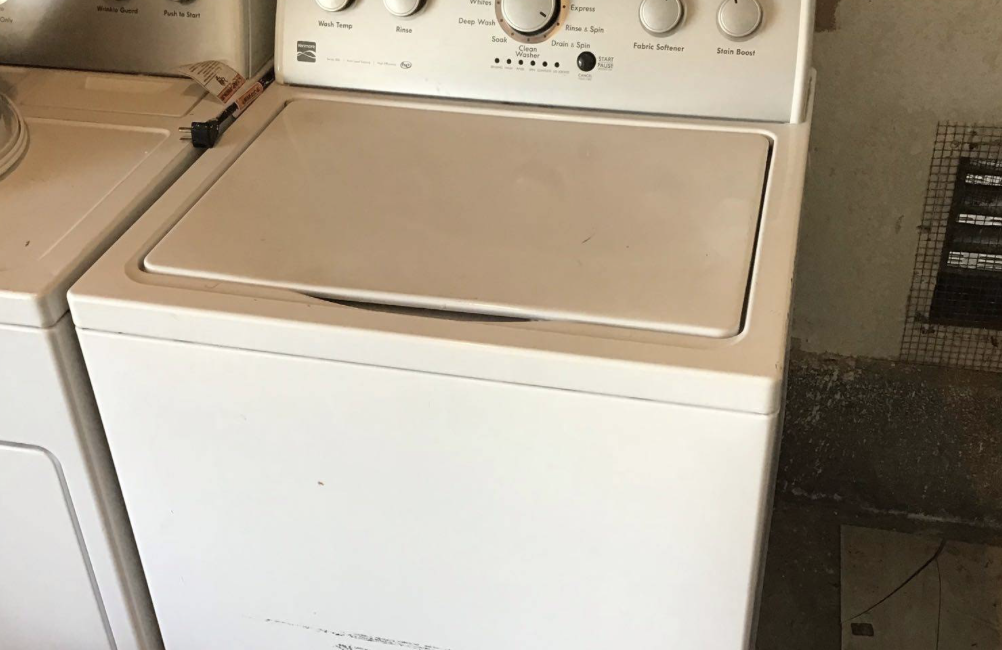
A washing machine should operate smoothly without affecting your home’s electrical system. If your Kenmore washing machine repeatedly trips the circuit breaker, it is a sign that something is drawing more electrical current than it should or creating a short circuit. Resetting the breaker may temporarily restore power, but if the problem continues, it should never be ignored.
One of the most common causes is a faulty heating element or a short circuit in the drive motor. However, damaged wiring, electrical components, or moisture inside the appliance can also trigger the breaker. Because electrical faults may create safety hazards, identifying the source of the problem as soon as possible is essential.
Why Does a Circuit Breaker Trip?
Circuit breakers are designed to protect your home’s electrical wiring from overheating and potential fire hazards. If a washing machine develops an electrical fault, the breaker disconnects power before serious damage occurs.
A breaker may trip because of:
- Electrical overload
- Short circuit
- Ground fault
- Damaged electrical component
- Internal wiring failure
Although the breaker itself is doing its job, repeated tripping indicates that the appliance requires professional inspection.
Common Causes of a Kenmore Washer Tripping the Breaker
Faulty Heating Element
Some Kenmore washing machine models include a heating element that warms water during specific wash cycles.
Over time, the heating element can develop internal cracks or insulation failure. When this happens, electrical current may leak to the metal housing of the washer, creating a ground fault that immediately trips the circuit breaker.
Signs of a failing heating element include:
- Breaker trips during hot water cycles
- Washer shuts off shortly after filling
- Burning smell
- Water not heating properly
- Intermittent breaker trips
A damaged heating element typically requires replacement.
Motor Short Circuit
The drive motor powers the drum during wash and spin cycles.
As motors age, insulation around the internal windings can deteriorate. If the winding insulation breaks down, the motor may develop an internal short circuit that draws excessive electrical current.
Common symptoms include:
- Breaker trips when the drum begins turning
- Humming before shutdown
- Burning odor
- Drum fails to rotate
- Motor becomes unusually hot
Motor failures require professional diagnosis because similar symptoms may also result from mechanical problems placing excessive strain on the motor.
Damaged Wiring Harness
The wiring harness connects all electrical components inside the washer.
Constant vibration during operation may gradually loosen connectors or wear through wire insulation. If exposed wires contact the metal cabinet, a short circuit may occur, immediately tripping the breaker.
Technicians carefully inspect wiring throughout the appliance to locate damaged sections.
Moisture Inside Electrical Components
Water leaks inside the cabinet can reach electrical connections, motors, or electronic controls.
Moisture may create temporary ground faults that occur only during certain parts of the wash cycle, making the problem appear intermittent.
Repairing the water leak is just as important as repairing the affected electrical component.
Defective Drain Pump
A drain pump with worn internal windings or water damage may also overload the electrical circuit.
If the breaker trips only during the drain cycle, the pump becomes one of the primary components requiring inspection.
Electronic Control Board Problems
The electronic control board manages power distribution throughout the washer.
Although less common, damaged relays or burned circuits on the control board may create electrical faults that interrupt normal operation.
Because control board failures can resemble other electrical issues, professional testing is necessary.
Faulty Power Cord or Outlet
Sometimes the problem is not inside the washing machine.
A damaged power cord, loose electrical outlet, or deteriorated receptacle can generate heat, intermittent shorts, or poor electrical connections.
A technician will inspect both the appliance and its power source before replacing internal components.
Symptoms That Often Accompany Breaker Trips
Besides the circuit breaker shutting off, you may notice:
- Washer stops mid-cycle
- Burning smell
- Drum stops spinning
- Humming noises
- Display loses power
- Breaker trips at the same stage every cycle
- Flickering lights nearby
- Washer restarts after resetting the breaker
The timing of the breaker trip often helps technicians narrow down which component is responsible.
Is It Safe to Keep Resetting the Breaker?
No.
Repeatedly resetting a breaker without correcting the underlying problem can increase the risk of electrical damage and may allow a developing fault to worsen.
If the breaker trips more than once while operating the washer, discontinue use until the appliance has been inspected.
Circuit breakers are designed to protect your home, not serve as a substitute for appliance repairs.
Can You Troubleshoot the Problem Yourself?
There are a few safe checks homeowners can perform.
You can:
- Verify the washer is plugged directly into a properly grounded outlet
- Check the power cord for visible damage
- Look for water leaks around the appliance
- Note exactly when the breaker trips during the cycle
However, internal electrical testing should only be performed by qualified appliance repair professionals.
Washing machines contain high-voltage electrical components that present shock hazards if handled improperly.
Why Prompt Repairs Matter
Electrical faults rarely resolve on their own.
Continuing to operate a washer with a short circuit may damage additional components, increase repair costs, and create unnecessary stress on your home’s electrical system.
Addressing the issue early often prevents secondary failures and restores reliable operation more quickly.
Professional Diagnosis Saves Time and Money
Several different electrical components can produce identical symptoms.
Rather than replacing parts based on guesswork, experienced technicians perform a complete diagnostic evaluation.
Inspection typically includes:
- Heating element
- Drive motor
- Wiring harness
- Drain pump
- Electronic control board
- Power cord
- Electrical connections
- Current draw testing
Accurate diagnosis ensures only the defective components are repaired or replaced.
Preventive Maintenance Tips
Although electrical failures cannot always be prevented, regular maintenance helps reduce the risk.
Inspect the washer for leaks, avoid overloading the drum, ensure the appliance is connected to a dedicated grounded outlet, and schedule professional service if you notice unusual smells, noises, or intermittent electrical problems.
Routine inspections can often identify worn electrical components before they fail completely.
Call Poway Appliance Repair Service Center
If your Kenmore washing machine keeps tripping the circuit breaker, don’t continue resetting the breaker and hoping the problem disappears. The experienced technicians at Poway Appliance Repair Service Center can quickly diagnose heating element failures, motor short circuits, damaged wiring, control board problems, and other electrical issues. We provide safe, reliable repairs that restore your washer’s performance while protecting your home’s electrical system. Contact Poway Appliance Repair Service Center today to schedule professional washing machine repair.
Contact us