

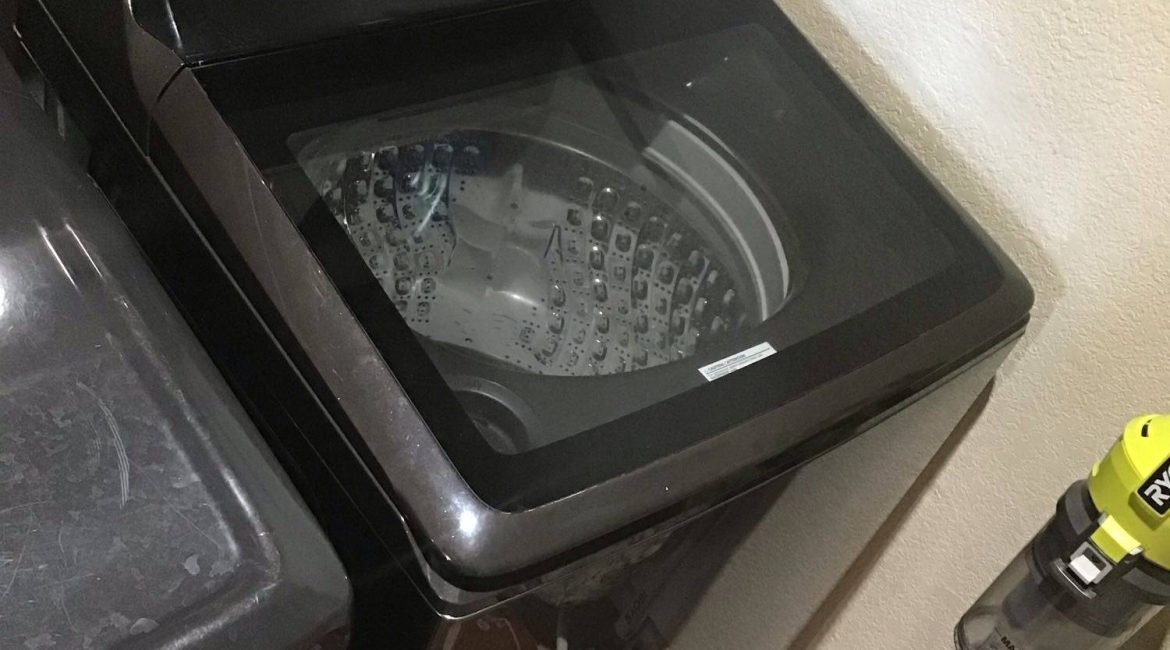
An LG washing machine that fills with water, begins its wash cycle, and then stops as soon as the drum starts spinning may have a problem with its motor control system. The washer might pause unexpectedly, display an error code, attempt to restart several times, or stop responding altogether. In some cases, the machine completes the initial wash movements but cannot transition to a faster spin speed.
This behavior can be frustrating, especially when laundry remains wet inside the drum. Although an unbalanced load or drainage issue can sometimes cause similar symptoms, a faulty Hall sensor, motor control board, or related electrical component may be responsible. Identifying the underlying problem helps prevent unnecessary part replacements and recurring interruptions.
Why Does an LG Washing Machine Stop When the Drum Starts Spinning?
LG washing machines use electronic controls to coordinate drum movement, motor speed, and load balance. During operation, the control system monitors several signals to determine whether the drum is rotating correctly.
When the washer begins spinning, the motor must accelerate smoothly and maintain the required speed. If the control board receives inconsistent feedback or detects an electrical problem, it may stop the motor to protect the appliance.
The exact cause depends on the model, the timing of the interruption, and any error codes displayed on the control panel.
1. A Faulty Hall Sensor
The Hall sensor, also called a rotor position sensor on some LG direct-drive models, helps the control system monitor motor rotation. It provides information about the rotor’s position and movement, allowing the electronics to regulate drum speed.
When this sensor fails or sends inaccurate signals, the washer may struggle to begin spinning. The drum might move briefly, jerk, stop, and attempt to restart. Some machines may also display an LE error code, although that code can indicate a broader motor-related problem rather than a Hall sensor failure specifically.
Several conditions can affect sensor performance. The sensor itself may be defective, its wiring or electrical connector may be damaged, or a related motor component may be preventing accurate readings.
Diagnosing the problem requires checking the sensor, its connections, and the motor system. Replacing the sensor without testing the circuit may not resolve the issue if the actual fault lies elsewhere.
2. Motor Control Board Problems
The motor control board regulates the electrical power supplied to the drive motor. Depending on the LG model, motor control functions may be handled by a dedicated board or integrated into the main electronic control system.
If the board develops a fault, it may fail to deliver the correct signals or power needed to accelerate the drum. The washer might start normally, stop when the motor load increases, and then remain idle or repeat the starting sequence.
Possible causes include damaged electronic components, deteriorated connections, electrical surges, and overheating. However, similar symptoms can result from a defective motor or sensor, so the control board should not be replaced based on symptoms alone.
A technician can inspect the relevant circuitry, test electrical connections, and determine whether the board is operating within the manufacturer’s specifications.
3. Motor Wiring or Connector Damage
The motor and its sensors depend on secure electrical connections. Loose connectors, damaged wires, corrosion, or worn insulation can interrupt communication between components.
A connection may work during the initial part of the wash cycle but fail when vibration increases as the drum starts spinning. This can explain why the washer appears functional before suddenly stopping.
If wiring damage is suspected, the appliance should be disconnected from power before inspection. Internal electrical components should be examined by a qualified technician, particularly when testing requires access to the motor assembly or control board.
Repairing a damaged connector or wiring harness may restore normal operation without requiring an expensive electronic component replacement.
4. An Unbalanced Load or Mechanical Resistance
Not every spinning problem originates in the electronics. Heavy towels, bedding, or a small collection of bulky garments can distribute weight unevenly around the drum. The washer may attempt to redistribute the load before accelerating.
Mechanical resistance can produce similar symptoms. Worn bearings, an obstructed drum, or another damaged drive component may prevent the motor from turning freely.
To rule out a simple load issue, pause the cycle, wait until the door unlocks, and redistribute the laundry. You can also try a spin cycle with a smaller, evenly distributed load.
If the drum repeatedly stops when spinning begins, even when the washer is empty or lightly loaded, further diagnosis is necessary. Avoid forcing the drum or repeatedly restarting the machine when unusual noises or burning smells are present.
5. Drainage Problems That Interrupt the Spin Cycle
Many washing machines must drain water before entering a high-speed spin. If water remains in the drum, the washer may delay or cancel spinning.
A clogged drain filter, restricted drain hose, or failing drain pump can prevent the cycle from progressing. Check the user manual for instructions on safely inspecting the accessible drain filter, and prepare for water to escape when opening it.
If the washer drains completely but still stops as the drum begins to accelerate, the motor, Hall sensor, wiring, or control system deserves closer attention.
What Should You Do When the Washer Keeps Stopping?
Start by recording when the interruption occurs. Does the washer stop immediately after filling, during slow drum movements, or precisely when it attempts to accelerate? Note any displayed error codes and listen for clicking, grinding, or repeated motor-starting sounds.
Next, redistribute the laundry and try a suitable cycle if there are no signs of electrical or mechanical damage. If the washer continues to stop, disconnect it from power and arrange a professional inspection.
Avoid ordering a Hall sensor or control board before confirming the diagnosis. Several different faults can produce similar symptoms, and replacing the wrong component can increase repair costs without fixing the washer.
A qualified appliance technician can examine the motor feedback system, test the wiring, inspect the control electronics, and evaluate possible mechanical or drainage problems. The repair may involve a sensor, connector, control board, or another component, depending on the findings.
Restore Your LG Washing Machine’s Performance
When an LG washing machine stops as soon as the drum starts spinning, the problem may involve the Hall sensor, motor control board, electrical connections, or another component affecting drum movement. Accurate diagnosis is the best way to identify the fault and avoid unnecessary replacements.
If your washer repeatedly interrupts its cycle, leaves clothes soaking wet, or displays a motor-related error code, contact Poway Appliance Repair Service Center for professional appliance repair.
Call Poway Appliance Repair Service Center to schedule an inspection and get your LG washing machine back to reliable operation.
Contact us
