
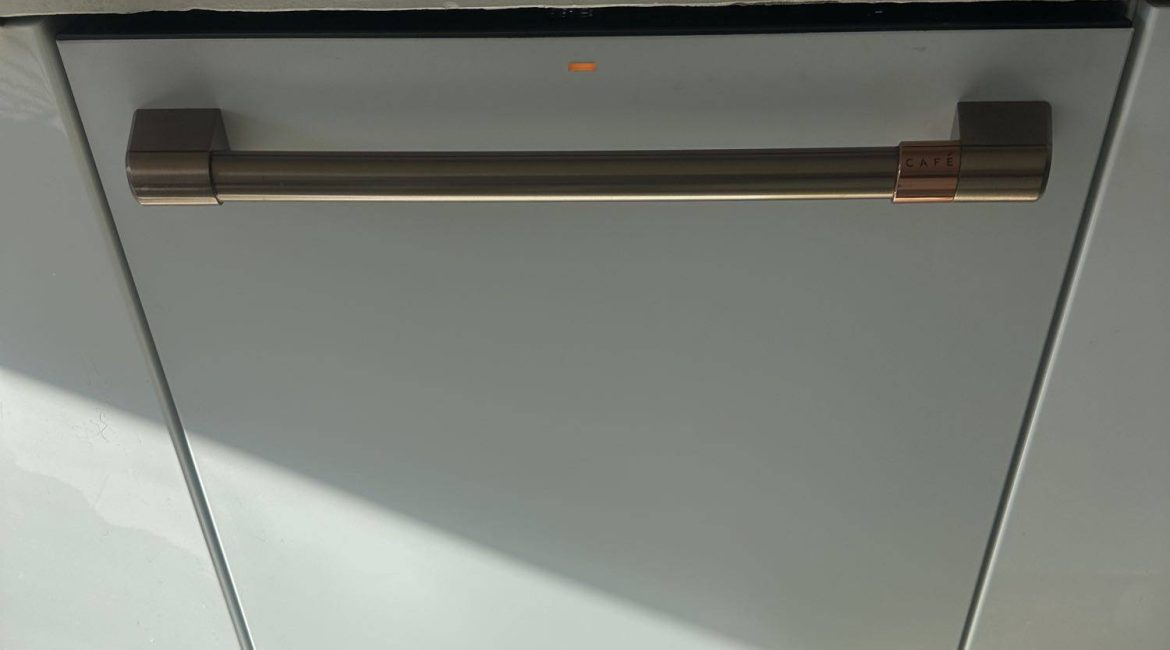
Standing water at the bottom of a dishwasher is usually the first visible sign that the drainage system is not working as intended. The issue can develop gradually, starting with small puddles after a cycle and ending with a full basin of dirty water that never leaves the machine. In most cases, the cause is mechanical or related to obstruction in the flow path rather than a complete system failure.
Understanding how the drainage process works helps narrow down the problem. After the wash cycle, water is pushed out through a drain pump, passes a filter assembly, then moves through a drain hose into a household plumbing line or garbage disposal connection. Any restriction along this route can interrupt the process.
Filter blockage as a primary cause
Food debris, grease, and small particles naturally accumulate in the dishwasher filter. When cleaning is irregular, the filter becomes partially or fully clogged. This restricts water flow and forces the pump to work under load.
Typical signs of a blocked filter include:
- water pooling after every cycle
- visible debris at the bottom of the tub
- slower-than-usual draining during operation
In many cases, removing and rinsing the filter under warm water resolves the issue. However, hardened grease or long-term buildup may require deeper cleaning.
Drain pump problems
The drain pump is responsible for pushing water out of the appliance. If it becomes obstructed or starts to fail mechanically, drainage efficiency drops sharply.
Common issues include:
- small objects lodged in the pump impeller
- worn or damaged impeller blades
- electrical failure in the pump motor
When the pump is partially blocked, the machine may still attempt to drain, but the process becomes weak or inconsistent. A complete pump failure results in standing water that does not move at all.
Drain hose restrictions
The drain hose can become kinked, clogged, or improperly installed. Even a slight bend can reduce flow enough to leave residual water in the tub. Grease buildup inside the hose is another frequent issue, especially in older installations.
If the hose connects to a garbage disposal, a blockage in the disposal unit or a closed knockout plug can also stop drainage entirely.
Air gap and plumbing connection issues
Some dishwashers use an air gap installed near the sink. If this component becomes blocked with debris, water can back up into the appliance. Similarly, a partially clogged sink drain line affects the dishwasher’s ability to discharge water efficiently.
These problems are often overlooked because the dishwasher itself appears to be functioning normally during the wash cycle.
Electrical or control system faults
Less commonly, drainage problems originate from the control system. The dishwasher relies on timed signals to activate the pump at the correct stage of the cycle. If the control board or sensor malfunctions, the pump may not engage or may stop prematurely.
Symptoms of control-related issues include:
- inconsistent draining behavior
- cycles ending with water still present
- no mechanical noise from the pump during drain phase
These faults usually require diagnostic tools to confirm.
Step-by-step troubleshooting approach
A structured check helps identify the root cause without unnecessary replacement of parts:
- Inspect and clean the filter assembly
- Check the drain pump area for visible obstructions
- Examine the drain hose for kinks or clogs
- Verify the garbage disposal connection
- Run a short cycle and listen for pump activation
If the issue persists after these steps, the problem is likely internal and requires technical inspection.
Preventing future drainage problems
Routine maintenance reduces the risk of recurring blockages. The most effective measures include:
- rinsing dishes before loading
- cleaning the filter weekly or biweekly
- running a hot cycle with dishwasher cleaner
- inspecting the drain hose periodically
Small habits have a direct impact on the long-term performance of the drainage system.
When professional service is necessary
If standing water remains after basic cleaning and inspection, the issue may involve a failing pump or internal control fault. Continuing to run the appliance in this condition can lead to additional wear and more expensive repairs.
At this stage, targeted diagnostics are required to test the pump, electrical circuits, and flow system under load. This ensures the correct component is addressed rather than replacing parts without confirmation.
For reliable diagnosis and repair, contact Poway Appliance Repair Service Center. Timely service helps restore proper drainage and prevents further damage to the appliance.
Contact us