
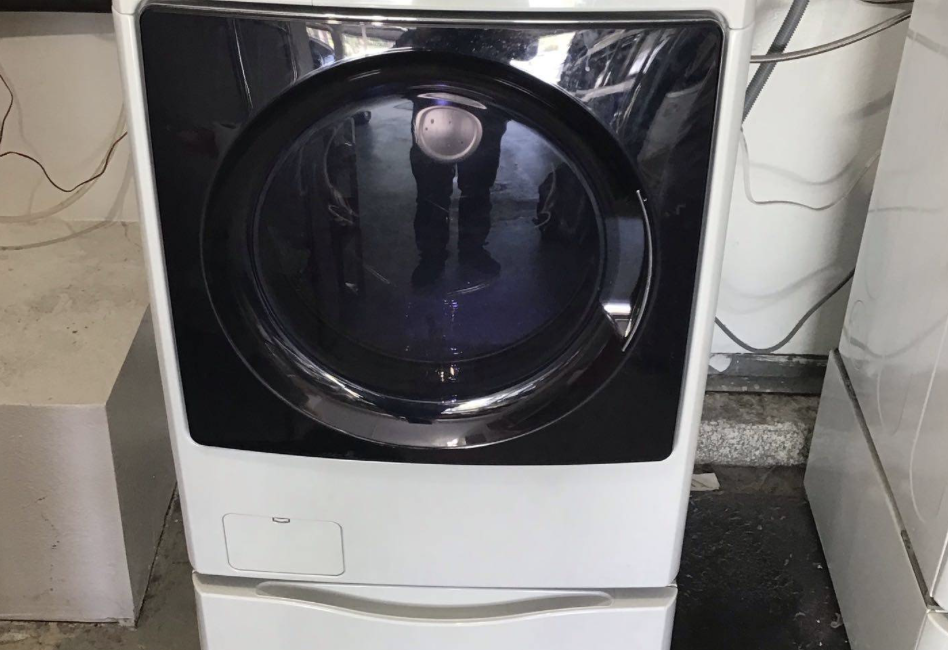
A Whirlpool washing machine that produces a clicking noise but refuses to start can be frustrating, especially when you have a full load of laundry waiting. The clicking sound often indicates that the appliance is attempting to begin a cycle but is unable to complete the startup process. While several components could be responsible, two of the most common causes are a faulty door lock assembly and a failing start capacitor.
Understanding what these parts do and recognizing the warning signs can help you determine whether the issue requires professional repair.
Why Does a Whirlpool Washer Click but Not Start?
Modern Whirlpool washing machines rely on multiple safety and control systems before beginning a wash cycle. When you press the Start button, the machine checks that all required conditions are met. If one of these checks fails, the washer may repeatedly click without filling with water or spinning.
The clicking sound usually comes from relays, the door lock mechanism, or electrical components attempting to activate.
Ignoring this symptom can allow a relatively minor electrical problem to develop into a more expensive repair.
Possible Cause #1: Faulty Door Lock Assembly
One of the most common reasons for this issue is a defective door lock.
Front-load Whirlpool washers include a safety lock that secures the door before the drum begins to rotate. If the control board cannot confirm that the door is locked, it prevents the cycle from starting.
Common signs of a faulty door lock include:
- The washer clicks several times after pressing Start.
- The door fails to lock.
- The lock light flashes or never turns on.
- The cycle never begins.
- The machine stops before filling with water.
Door lock failures may result from:
- Worn locking mechanisms
- Electrical failure inside the lock
- Broken wiring connections
- Moisture damage
- Normal wear after years of use
Although replacing a door lock is usually straightforward for a qualified technician, diagnosing the problem correctly is important because similar symptoms can also be caused by the control board or wiring harness.
Possible Cause #2: Failing Start Capacitor
Some Whirlpool washing machine models use a start capacitor to help provide the extra electrical boost needed to start the motor.
When the capacitor begins to fail, the washer may:
- Produce clicking noises
- Attempt to start repeatedly
- Fail to rotate the drum
- Hum without operating
- Stop immediately after pressing Start
Capacitors gradually weaken over time due to heat, age, and repeated electrical stress.
A completely failed capacitor prevents the motor from receiving enough power to begin turning, even though other systems appear to function normally.
Since capacitors store electrical energy even after the washer is unplugged, they should only be tested or replaced by trained professionals.
Other Components That Can Produce Similar Symptoms
Although the door lock and start capacitor are common causes, technicians also inspect several additional components during diagnosis.
These include:
- Electronic control board
- Motor control board
- Wiring harness
- Power supply
- User interface panel
- Motor
- Timer (on older models)
Professional testing ensures the defective part is identified before unnecessary replacements are made.
Can You Troubleshoot the Problem Yourself?
There are a few simple checks homeowners can safely perform before scheduling service.
Verify the Door Is Fully Closed
Small clothing items trapped between the door and gasket may prevent proper locking.
Remove any obstruction and try starting the washer again.
Reset the Washer
Disconnect power for about five minutes before plugging the machine back in.
A temporary electronic error may clear after a reset.
Check the Power Supply
Ensure the outlet provides power and the circuit breaker has not tripped.
Voltage fluctuations may interfere with normal startup.
Inspect the Door Latch
Look for visible cracks, loose parts, or signs of damage around the latch area.
If everything appears normal but the clicking continues, professional diagnosis is recommended.
Why Prompt Repairs Matter
Many homeowners continue pressing the Start button repeatedly, hoping the washer will eventually begin working.
Unfortunately, repeated startup attempts may place additional stress on electrical components.
A failing door lock can eventually damage the control board.
Likewise, a weak capacitor may overwork the motor during repeated startup attempts.
Repairing the issue early often reduces both repair costs and downtime.
Preventing Future Startup Problems
While no appliance lasts forever, regular maintenance helps reduce unexpected failures.
Helpful maintenance habits include:
- Avoid slamming the washer door.
- Do not overload the drum.
- Clean the door seal regularly.
- Keep moisture away from electrical connectors.
- Use the correct detergent.
- Schedule professional maintenance if unusual noises appear.
These simple practices help extend the lifespan of many internal components.
When to Call a Professional
If your Whirlpool washing machine clicks but never starts, the issue is unlikely to resolve on its own.
Electrical components such as door locks, capacitors, control boards, and motors require specialized testing equipment for accurate diagnosis.
Replacing the wrong part can waste both time and money while leaving the original problem unresolved.
An experienced appliance technician can quickly identify the cause, replace defective components using quality parts, and ensure your washer operates safely again.
Contact Poway Appliance Repair Service Center
If your Whirlpool washing machine makes a clicking noise but won’t start, don’t wait for the problem to become more serious. The experienced technicians at Poway Appliance Repair Service Center diagnose and repair Whirlpool washers quickly and efficiently. Whether the issue is a faulty door lock, a failing start capacitor, or another electrical component, you can count on professional service and reliable repairs. Contact Poway Appliance Repair Service Center today to schedule your washing machine repair and get your laundry routine back on track.
Contact us