
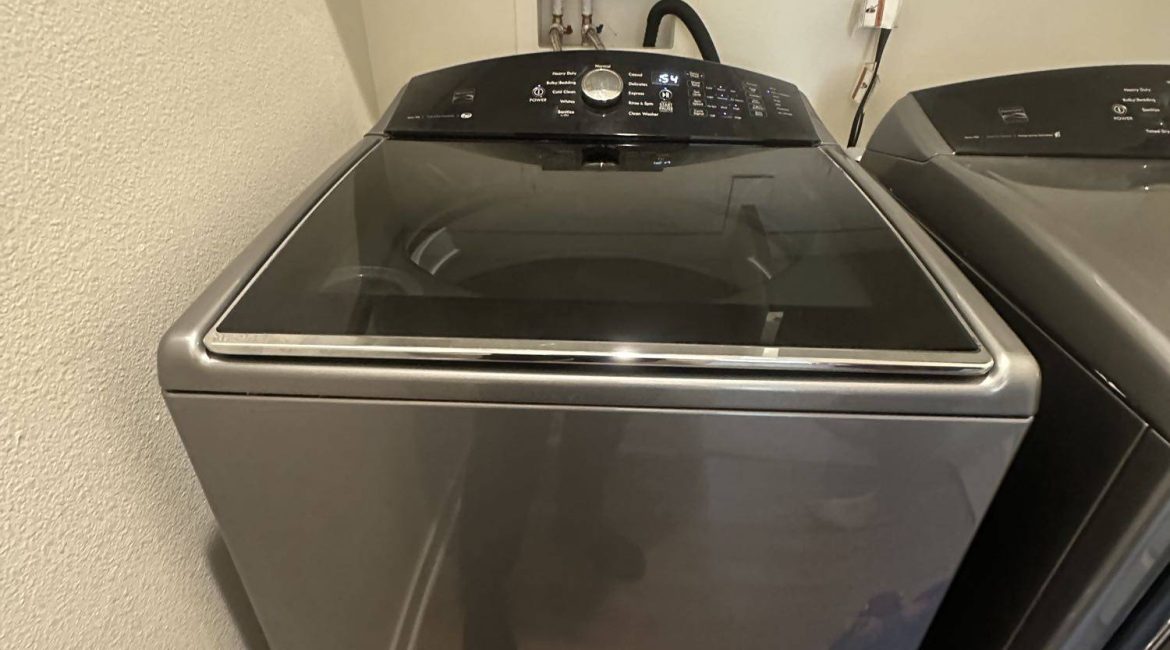
A washing machine that begins a cycle without any trouble but suddenly stops before the spin stage can be difficult to diagnose without proper inspection. Many homeowners first assume the machine is overloaded or temporarily malfunctioning, but when the issue repeats, it often points to an electronic or sensor-related problem inside the appliance.
The spin cycle depends on several systems working together correctly. The washer must drain water completely, confirm the door is locked, detect balanced drum movement, and receive proper commands from the electronic control board. If one component sends incorrect information or fails to respond, the machine may freeze before spinning starts.
Understanding the possible causes can help prevent further damage and avoid unnecessary downtime.
Why the Washer Stops Before Spin
Modern washing machines rely on multiple sensors and electronic controls to manage each stage of the cycle. Before the drum begins spinning at high speed, the appliance performs several safety checks. If any condition appears abnormal, the washer may pause indefinitely, display an error code, or shut down the cycle entirely.
In many cases, the machine still powers on, fills with water, and agitates normally. The interruption usually occurs when the system transitions into draining and spinning.
Faulty Water Level Sensor
One of the most common causes is a defective water level sensor, also called a pressure switch. This component monitors how much water remains inside the tub.
If the sensor incorrectly reports that water is still present, the washer may refuse to enter spin mode. The machine’s control system is designed to prevent spinning when excess water is detected because high-speed rotation with standing water can damage internal components.
Signs of a failing water level sensor include:
- Washer stops before spin consistently
- Water drains slowly or incompletely
- Cycle timer freezes
- Error codes related to draining or pressure
- Random pauses during washing cycles
Sometimes the issue comes from a clogged pressure hose rather than the sensor itself. Detergent residue and debris can block airflow and create inaccurate readings.
Electronic Control Board Problems
The electronic control board acts as the washer’s central processor. It coordinates motor activity, cycle timing, draining, temperature regulation, and sensor communication.
When the board begins to fail, the machine may behave unpredictably. A washer can start normally but freeze once it reaches a specific command sequence, particularly during transition points like draining or spinning.
Common symptoms of a failing control board include:
- Washer pauses without completing cycles
- Buttons stop responding intermittently
- Display flickers or resets
- Spin cycle fails randomly
- Programs become inconsistent
Power surges, moisture exposure, and component wear can all contribute to board failure. Because modern boards are complex electronic assemblies, accurate testing is important before replacement.
Door Lock Assembly Failure
Most modern washers will not spin unless the door lock mechanism confirms the door is securely closed.
If the lock assembly becomes weak or its sensor malfunctions, the machine may halt before spin even though the door appears shut. In some cases, the washer repeatedly clicks while attempting to lock. Other times, the cycle simply freezes with no obvious warning.
Door lock issues often become more noticeable over time. The machine may occasionally complete a cycle before eventually failing consistently.
Drain System Restrictions
A washer cannot enter the spin cycle if water remains inside the tub. Even partial drainage problems can interrupt operation.
Several drain-related issues may cause the washer to stop before spinning:
- Clogged drain pump filter
- Blocked drain hose
- Weak drain pump motor
- Kinked hose behind the washer
- Debris trapped inside the pump assembly
When drainage slows down, the control system may interpret the condition as unsafe for spinning. The machine then pauses or cancels the cycle automatically.
Homeowners sometimes overlook small drainage issues because the washer still removes some water. However, even reduced flow can prevent proper cycle completion.
Unbalanced Load Detection Problems
Modern washers use vibration and load sensors to detect drum balance before high-speed spinning begins.
If the system detects excessive imbalance, the washer may stop and attempt to redistribute clothing. In some situations, faulty sensors falsely report imbalance even when the load is normal.
This issue may happen more frequently with:
- Heavy blankets
- Towels
- Small mixed loads
- Worn suspension components
- Sensor calibration problems
Repeated interruptions before spin can indicate either a genuine balance issue or a defective sensor system.
Wiring and Connection Failures
Loose wiring connections inside the washer can interrupt communication between sensors and the control board.
Constant vibration during operation gradually stresses electrical connectors. Over time, wires may loosen, corrode, or partially disconnect. This can create intermittent failures that are difficult to identify without professional testing.
Electrical connection issues often produce inconsistent symptoms. The washer may work normally during some cycles and freeze during others.
Why Professional Diagnosis Matters
Because several different components can produce nearly identical symptoms, replacing parts without proper testing often becomes expensive and ineffective.
For example, a washer that stops before spin could involve:
- Drain system restrictions
- Faulty control board
- Defective pressure switch
- Door lock failure
- Wiring problems
- Sensor communication errors
Professional technicians use diagnostic tools to identify the exact source of failure instead of guessing. This reduces unnecessary part replacement and helps restore reliable operation faster.
Preventing Future Washer Control Problems
While electronic failures cannot always be avoided, regular maintenance helps reduce stress on washer components.
Several habits can improve long-term reliability:
- Avoid overloading the drum
- Clean the drain filter regularly
- Use proper detergent amounts
- Leave the door open after washing to reduce moisture buildup
- Inspect hoses periodically for kinks or blockages
- Use surge protection when possible
Keeping the washer clean and properly balanced also helps protect sensors and electronic systems from premature wear.
When to Schedule Service
If your washing machine repeatedly freezes before spin, delays cycle completion, or displays recurring error codes, the issue should be inspected before further damage develops.
Continuing to run the washer while electronic or sensor problems worsen can increase repair costs and place extra strain on the motor and drain system.
Professional diagnosis is especially important when:
- The machine stops during every cycle
- Resetting power does not help
- Water remains in the tub
- Burning smells or unusual noises appear
- Error messages continue returning
- The spin cycle never activates
Schedule Washer Repair With Poway Appliance Repair Service Center
If your washing machine starts normally but freezes before the spin cycle, professional inspection can help identify whether the problem involves the electronic control board, drain system, door lock, or sensor assembly.
The experienced technicians at Poway Appliance Repair Service Center diagnose and repair a wide range of washer problems for major appliance brands. Fast service and accurate troubleshooting can help restore reliable washer performance before the issue becomes more severe.
Contact Poway Appliance Repair Service Center today to schedule professional washing machine repair service.
Contact us