
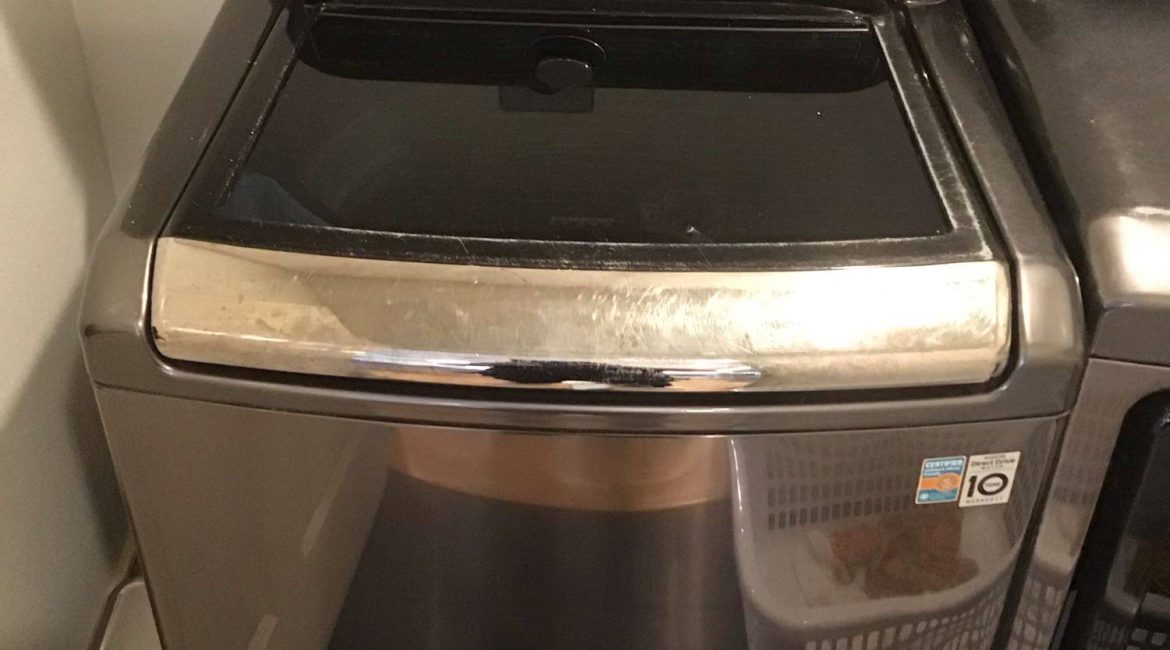
An LG washing machine that reaches the end of a wash cycle but leaves water inside the drum has a drainage problem that should be checked before the machine is used again. When the washer cannot remove wastewater, it may stop before the spin cycle, display a drainage-related error, or leave clothes soaking wet.
Several components can cause this symptom, but the drain pump and drain filter are among the first areas that should be inspected. A clogged filter can restrict water flow, while a damaged or blocked pump may prevent the washer from draining properly.
Why an LG Washing Machine May Not Drain
During a normal cycle, the washer pumps dirty water out of the tub through the drain hose. The control system activates the drain pump at the appropriate stage, allowing water to leave before the final spin.
If the water remains in the drum, something is interfering with this process. In some cases, the cause is relatively simple, such as debris trapped in the filter. In others, the pump itself may have failed or another part of the drainage system may be obstructed.
The first clue is often what happens when the washer should begin draining. You may hear the pump running but see little or no water leaving the machine. You may also hear an unusual humming sound, repeated attempts to drain, or complete silence when the drain stage begins.
A Clogged Drain Filter Can Restrict Water Flow
Many LG front-load washing machines have a drain pump filter designed to catch small objects that accidentally enter the drainage system. Coins, hairpins, lint, fabric pieces, buttons and other debris can collect in the filter over time.
When the filter becomes heavily clogged, water cannot pass through efficiently. The washer may drain very slowly or fail to drain at all.
A clogged filter can also cause the pump to work harder than normal. If the machine continues operating under these conditions, the pump may eventually become damaged.
Before opening or inspecting the filter, the washer should be disconnected from electrical power. There may also be a significant amount of water inside the machine, so the area should be prepared to prevent spills.
The Drain Pump May Be Blocked or Damaged
The drain pump is responsible for moving wastewater out of the washing machine. Even if the filter appears clean, an object may still be lodged in the pump or the pump impeller may be unable to rotate correctly.
A partially blocked pump can produce a humming or buzzing noise without actually moving water. In other cases, the pump may remain completely silent because its motor has failed.
A worn pump can also behave inconsistently. The washer may drain successfully during one cycle and fail during another. Intermittent drainage problems should not be ignored because the pump can stop working completely.
If the pump is defective, cleaning the filter will not solve the underlying problem. The pump and related electrical connections need to be inspected and tested.
Check the Drain Hose
The drain hose is another important part of the drainage system. A kinked, crushed or obstructed hose can prevent wastewater from leaving the washer.
If the washer has recently been moved, the hose may have shifted or become pinched against the wall. A buildup inside the hose can also restrict water flow.
The hose connection and installation should be checked carefully. An improperly positioned drain hose can create drainage issues even when the pump itself is working correctly.
Why the Washer May Stop Before Spinning
The final spin cycle requires most of the water to be removed first. If the washer detects that water is still present, it may prevent the drum from spinning at full speed.
This is why clothes can come out extremely wet even though the wash cycle appears to have completed. The problem may initially look like a spin failure, but the actual cause can be a drainage restriction.
Repeatedly selecting the spin cycle will usually not solve the problem if the washer cannot remove the water. The drainage system needs to be inspected instead.
Signs That Professional Repair May Be Needed
Professional service is recommended when the washer continues to hold water after basic drainage checks, the pump makes unusual noises, the machine displays a drainage error, or the problem returns after the filter has been cleaned.
A technician can inspect the filter, drain hose, pump, wiring and related components to determine where the blockage or failure is located. Testing the pump is particularly important because replacing parts without identifying the actual cause can lead to unnecessary repairs.
Water remaining inside the machine can also create unpleasant odors and contribute to residue buildup. If the washer repeatedly stops with water in the drum, it is better to address the problem before it develops into a larger failure.
Get LG Washing Machine Repair in Poway
If your LG washing machine will not drain at the end of the cycle, the problem may involve a clogged filter, blocked hose, damaged drain pump or another component in the drainage system.
For professional troubleshooting and repair, contact Poway Appliance Repair Service Center. A technician can inspect the washer, identify the cause of the drainage problem and recommend the appropriate repair.
Call Poway Appliance Repair Service Center to schedule LG washing machine repair and get your washer draining properly again.
Contact us