
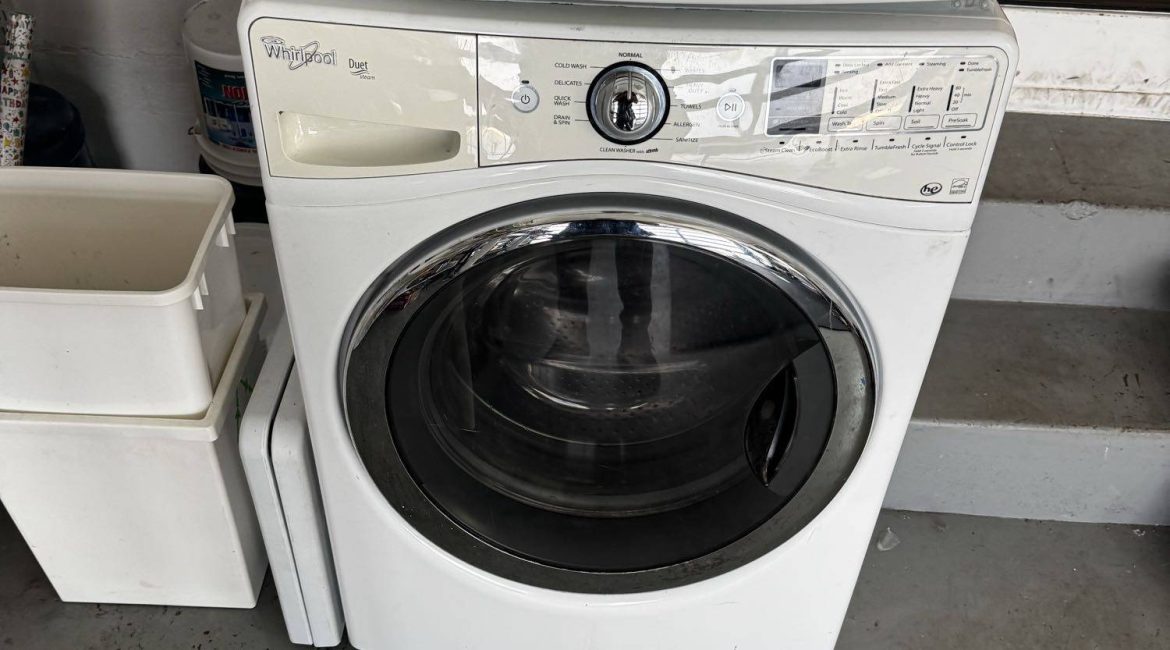
A Bosch washing machine makes a loud bearing noise when the drum bearings begin to wear out or become damaged. Bearing problems often start gradually, with a low rumble during the spin cycle, then become louder as the machine accelerates. In advanced cases, the washer may sound like it is vibrating, grinding, or roaring during operation. Drum bearings are essential components that allow the inner drum to rotate smoothly around its shaft. When they deteriorate, the drum can develop excessive movement, produce unusual sounds, and eventually affect other components. Recognizing the warning signs early can help prevent a more expensive repair.
Why Bosch Washing Machine Bearings Fail
The drum bearings operate under significant mechanical stress. Every wash and spin cycle puts pressure on the bearing assembly, especially when the machine reaches high spin speeds. One common cause is normal wear. After years of frequent use, the bearing surfaces can deteriorate, increasing friction and creating noticeable noise. Water contamination can also accelerate bearing failure. If the bearing seal becomes damaged, moisture and detergent residue can reach the bearing, causing corrosion and deterioration. Overloading the washing machine may contribute to premature wear as well. Heavy loads put additional strain on the drum, shaft, bearings, suspension system, and motor. Repeatedly washing loads above the recommended capacity can shorten the life of these components.
What a Failing Drum Bearing Sounds Like
The noise associated with bearing failure often changes depending on the drum speed. During a slow wash movement, you may hear a relatively quiet rumble or grinding sound. As the washer enters the spin cycle, the noise can become significantly louder. A healthy Bosch washer should operate with predictable mechanical sounds. A deep roaring, rumbling, grinding, or growling noise that increases with drum speed deserves attention. Another useful observation is whether the sound appears only when the drum rotates. If the noise follows the drum’s movement and becomes louder during high-speed spinning, the drum bearing is one possible source. However, similar noises can come from other components, including the drive motor, pulley, belt, foreign objects caught between the inner and outer tubs, or suspension components. Proper diagnosis is therefore important before replacing parts.
Signs That Go Beyond Noise
A loud bearing noise is often accompanied by other symptoms. One of the most noticeable is excessive drum movement. With the washing machine unplugged, gently moving the inner drum by hand can sometimes reveal unusual looseness. A small amount of movement may be normal depending on the design, but significant play, knocking, or an uneven gap can indicate a mechanical problem. You may also notice that the washer vibrates more strongly than before. Although unbalanced loads and leveling problems can cause vibration, a worn bearing can contribute to instability because the drum is no longer rotating correctly. In some cases, rust-colored residue or signs of moisture may appear around the rear portion of the drum assembly. This can indicate that a seal has failed and allowed water to reach the bearing area. If the machine begins producing increasingly loud sounds over several weeks or months, delaying inspection may allow the original problem to affect additional components.
How Technicians Diagnose Bearing Problems
A professional diagnosis typically begins with listening to the washer during different parts of the cycle. The technician may determine whether the sound occurs during agitation, draining, or spinning. The drum can then be inspected for excessive play or abnormal movement. The technician may also examine the drive system, pulley, belt, motor, suspension components, and tub assembly to rule out other possible sources. In some Bosch models, accessing the bearing assembly requires substantial disassembly. Depending on the design, the bearing may be integrated into or associated with the rear tub assembly. The exact repair procedure therefore varies by model. A technician can also check the washer’s model and serial information to identify the correct replacement components and determine how the machine is constructed.
Why Ignoring the Noise Can Become Expensive
Continuing to operate a washing machine with a severely worn bearing can increase mechanical stress throughout the drive system. A damaged bearing can make the drum harder to rotate, potentially placing additional strain on the motor and related components. The drum may eventually develop enough movement to interfere with the tub or other parts. If a deteriorated seal is allowing water into the bearing area, continued use can worsen corrosion and damage. For that reason, it is better to investigate a new rumbling or grinding noise before it becomes severe. A prompt inspection can help determine whether the issue is a bearing, another mechanical component, or something simpler.
What You Can Do Before Calling for Repair
Start by checking that the washer is level and that the load is not consistently exceeding the manufacturer’s recommended capacity. Remove any obvious objects that may have become trapped around the drum. You can also run an empty spin cycle and listen carefully. If the loud noise remains when there are no clothes inside, an unbalanced load becomes less likely to be the primary cause. Avoid repeatedly running the machine if the noise is severe, the drum has significant play, or you notice water leakage. Continued operation could increase the extent of the damage. Do not attempt to disassemble the tub or bearing assembly unless you have the appropriate tools and experience. Bosch washing machines can require extensive disassembly to reach internal components safely.
Professional Bosch Washing Machine Repair in Poway
A loud bearing noise should not be treated as a normal characteristic of your Bosch washing machine. If the sound is getting louder, especially during the spin cycle, the drum bearing and related components should be inspected. For dependable appliance repair in Poway, contact Poway Appliance Repair Service Center. A professional technician can diagnose the source of the noise, identify the failed component, and recommend the appropriate repair for your Bosch washing machine. Don’t wait for a small rumble to become a major mechanical problem. Contact Poway Appliance Repair Service Center to schedule Bosch washing machine service.
Contact us