

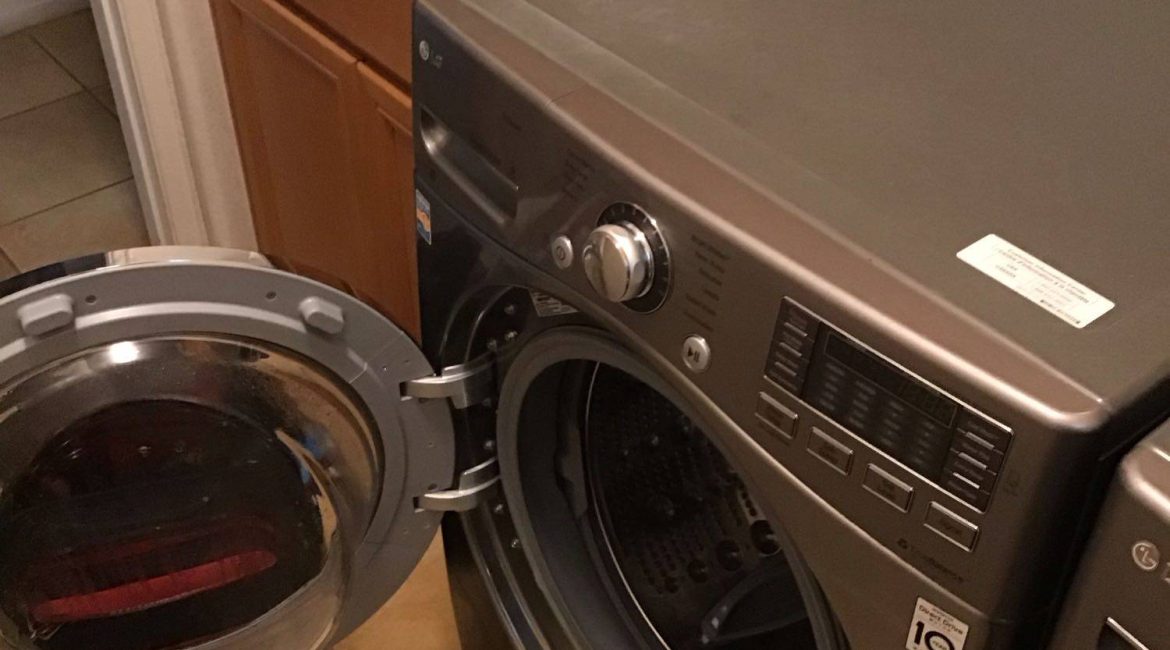
A Maytag washing machine that repeatedly returns to the rinse cycle can turn a routine laundry load into a lengthy process. Homeowners may notice the washer filling with water several times, draining without progressing to the final spin, or extending the program far beyond its expected duration. Although some Maytag models automatically add rinses to address excessive suds or load imbalance, persistent repetition may indicate a problem with the water level pressure sensor, drainage system, or electronic controls.
The washing machine relies on several components to coordinate filling, washing, rinsing, and spinning. Sensors monitor water levels and operating conditions, while the control system determines when each stage should begin and end. If the washer receives incorrect information or cannot remove water properly, it may delay the next stage or attempt additional rinsing. Understanding which part of the process fails helps identify the source of the problem.
A malfunctioning water level pressure sensor is one possible cause. Depending on the Maytag model, this component monitors pressure changes associated with water inside the tub. The control system uses this information to determine when the appliance has filled sufficiently and when draining is complete. If the sensor provides inaccurate readings, the washer may incorrectly interpret the water level and repeat part of the cycle.
Pressure sensing problems can develop when the sensor fails electrically or its connecting air tube becomes obstructed. Some systems use a small hose that transfers air pressure from the tub to the sensor. Detergent residue, moisture, or damage to the hose may interfere with accurate measurements. A loose connection can also prevent the sensor from detecting water level changes correctly. Professional testing can determine whether the sensor, tubing, or associated control circuit requires attention.
Drainage problems are another common reason a Maytag washer may struggle to finish rinsing. The appliance must remove used water before progressing to certain spinning stages. If water remains inside the tub, the control system may delay spinning, attempt additional draining, or display an error. Homeowners may notice standing water, unusually wet laundry, or repeated pump operation without successful water removal.
A clogged drain pump filter or obstructed pump inlet can restrict wastewater movement. Small clothing items, coins, lint, and other debris may accumulate in accessible filters or internal passages. When water cannot reach the pump efficiently, drainage becomes slower than expected. Some Maytag washers have serviceable pump filters, while others require additional disassembly to access the drainage system. Cleaning should always follow the instructions for the specific model.
The drain hose may also become kinked, clogged, or incorrectly installed. A restricted hose prevents water from leaving the appliance at the required rate, while improper drain hose positioning can cause siphoning. Siphoning occurs when water flows out of the washer unintentionally during filling, potentially causing repeated filling or unusually long cycles. Correct drain hose height and installation depend on the manufacturer’s specifications and should be verified during troubleshooting.
A defective drain pump can produce similar symptoms even when the hose and filter are clear. The pump motor may run intermittently, lose efficiency, or fail to move water because of a damaged impeller. Homeowners might hear humming or grinding during draining, followed by another rinse attempt or an interrupted cycle. A technician can inspect the pump and test its electrical operation to determine whether replacement is necessary.
Excessive detergent use can also cause repeated rinsing. Many modern Maytag washing machines monitor operating conditions and may adjust cycles when excessive foam develops. Using too much detergent or a product unsuitable for high-efficiency washers can create persistent suds that interfere with water level detection and draining. The machine may add water or extend rinsing to reduce foam. Following detergent recommendations can help prevent unnecessary cycle extensions.
Load imbalance is another possible explanation for repeated rinsing or delayed spinning. Heavy towels, blankets, and mixed fabric loads can become unevenly distributed inside the drum. Some washers respond by adding water, redistributing laundry, or repeating certain movements before attempting another spin. If the appliance cannot balance the load, the cycle may take considerably longer than expected. However, repeated problems with normal-sized loads may indicate worn suspension components or another mechanical fault.
Electronic control board problems should also be considered when the washer repeatedly returns to the same stage. The control board receives information from sensors and activates valves, pumps, and motors according to the selected program. Damaged electronic components or software-related faults may interfere with normal cycle progression. These problems can resemble sensor failures, making diagnostic testing important before replacing expensive control components.
Water inlet valve problems may contribute to unusual rinse behavior. If the valve fails to close completely, water may continue entering the tub when it should stop. The control system may respond to unexpected water levels by extending draining or interrupting the program. In other cases, restricted water flow can delay filling and make a normal rinse stage appear unusually long. Observing whether water enters or leaves the appliance at unexpected times can help narrow down the cause.
Homeowners can begin troubleshooting by checking for standing water, excessive suds, and visible drain hose problems. It is also useful to observe whether the washer repeats rinsing with different load sizes and programs. If an error code appears, recording it can help a technician identify the affected system. Avoid repeatedly restarting the machine when drainage problems persist, especially if water is leaking or unusual electrical symptoms occur.
Professional diagnostics may include testing the pressure sensor, inspecting its connecting hose, checking drain pump performance, and verifying drain hose installation. Technicians may also evaluate the inlet valve, suspension system, and electronic controls when necessary. Identifying the actual cause helps prevent unnecessary component replacement and recurring laundry interruptions.
A Maytag washing machine that repeatedly performs the rinse cycle may have a defective pressure sensor, restricted drainage system, malfunctioning pump, or another control-related problem. Poway Appliance Repair Service Center provides professional Maytag washing machine diagnostics and repair services, including water level sensor testing, drain pump repairs, and cycle troubleshooting. Contact Poway Appliance Repair Service Center today to schedule professional washer repair and restore dependable laundry performance.
Contact us
(858) 203-0990
