

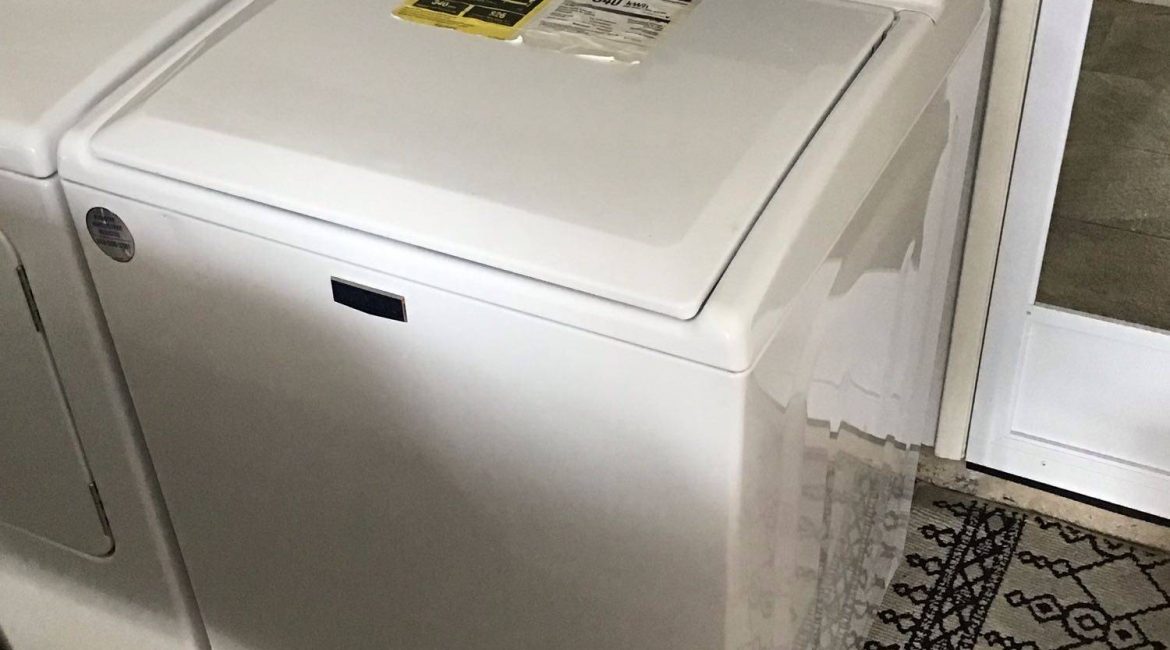
A GE washing machine that refuses to drain water unless the drain hose is lowered may have a problem with its drainage system or installation. Homeowners may notice that water remains inside the drum at the end of a wash cycle, the washer stops before spinning, or the appliance only drains when the hose is manually moved closer to the floor. Although lowering the hose may temporarily allow water to escape, this is not a proper solution. The underlying problem needs to be identified to prevent recurring drainage issues.
One possible cause is a malfunctioning drain pump. This component is responsible for removing wastewater from the washing machine during the drain and spin cycles. When the pump operates correctly, it pushes water through the drain hose and into the household drainage system. If the pump becomes weak, clogged, or damaged, it may struggle to move water through the entire drainage path.
A partially blocked pump can produce symptoms that seem similar to an installation problem. Small objects such as coins, buttons, hairpins, lint, and fabric fibers can enter the drainage system and interfere with the pump impeller. When this happens, the pump may still make noise, but its ability to move water becomes significantly reduced. Lowering the hose can sometimes make gravity assist the drainage process, creating the impression that the pump works only under certain conditions.
Another possibility is that the drain pump motor is beginning to fail. Electrical or mechanical wear can reduce its performance, especially when the pump has been operating for several years. A damaged impeller may also prevent the pump from generating sufficient water pressure. In these situations, the washer may drain slowly, stop with water inside, or fail to complete the spin cycle.
Drain hose installation is another important factor. GE washing machines are designed to operate with specific drain hose height and positioning requirements. If the hose is installed too high, the pump may have difficulty pushing wastewater upward. The appliance may therefore appear to drain only when the hose is lowered.
The exact permitted drain hose height depends on the washing machine model. Installing the hose outside the manufacturer’s recommended range can interfere with normal drainage and place additional strain on the pump. Homeowners should consult the installation instructions for their specific GE washer rather than assuming that a particular hose height works for every model.
A drain hose that is kinked, twisted, or partially crushed can also restrict water movement. Even if the pump is functioning properly, an obstruction in the hose may prevent wastewater from reaching the household drain. When the hose is lowered or repositioned, the restriction may become less noticeable, allowing some water to escape.
Another issue worth investigating is a clogged household standpipe or drain connection. Sometimes the washing machine is not responsible for the drainage problem. If the plumbing system cannot accept wastewater quickly enough, water may back up or drain inconsistently. Lowering the hose can temporarily change the way water flows, but it does not resolve the underlying plumbing restriction.
Improper drain hose positioning can also create a siphoning problem. If the hose is inserted too deeply into the standpipe or sealed in a way that prevents proper air circulation, water may flow out of the washer when it should remain inside. This can cause unexpected water loss, incomplete cycles, or unusual filling and draining behavior. Correct hose installation is essential for proper washer operation.
The electronic control system may also contribute to drainage problems. GE washing machines use control boards and other electrical components to coordinate the wash, drain, and spin stages. If the control board does not activate the drain pump at the correct time, the appliance may stop with water remaining in the drum.
Faulty wiring, loose electrical connections, or problems with related sensors can interfere with communication between components. Depending on the model, the washer may display an error code or remain stuck in a particular cycle. A professional technician can test the electrical system and determine whether the problem involves the control board, pump circuit, or another component.
Homeowners can perform a few basic checks before arranging professional service. First, inspect the visible portion of the drain hose for kinks, sharp bends, or signs of damage. Make sure the hose is installed at the height recommended in the manufacturer’s instructions. Check that the connection is secure and that the hose is not inserted too far into the standpipe.
It is also worth checking whether the household drain is clogged. If water backs up into the standpipe when the washer pumps out, the plumbing system may need attention. However, internal pump inspection and electrical testing should be left to qualified professionals. Always disconnect the appliance from power before performing any basic inspection.
Ignoring a drainage problem can eventually lead to additional complications. Water remaining inside the drum can cause unpleasant odors, detergent residue buildup, and problems with subsequent wash cycles. If the washer cannot drain properly, it may also refuse to enter the spin cycle because the appliance’s control system detects that water is still present.
Repeatedly lowering the drain hose to force water out is not recommended. The washer is designed to operate with a specific drainage configuration. Changing the hose position every time the appliance fails to drain can create additional installation problems and make it more difficult to identify the original cause.
Professional diagnostics can help determine whether the problem comes from a weak drain pump, a blocked drainage path, incorrect hose installation, or an electrical malfunction. A technician can inspect the pump, check the impeller, examine the hose and connections, test relevant electrical components, and evaluate the household drain connection.
The appropriate repair depends on the actual cause. A simple hose adjustment may resolve an installation issue, while a clogged pump or damaged motor may require cleaning or replacement. If the problem involves wiring or the electronic control board, additional electrical diagnostics may be necessary.
If your GE washing machine won’t drain unless the hose is lowered, don’t rely on this temporary workaround. Contact Poway Appliance Repair Service Center to schedule professional washing machine diagnostics and repair. Our technicians can help identify drainage problems, inspect essential components, and restore your washer’s proper operation. Order appliance repair service today and get your GE washing machine working reliably again.
Contact us
(858) 203-0990
