

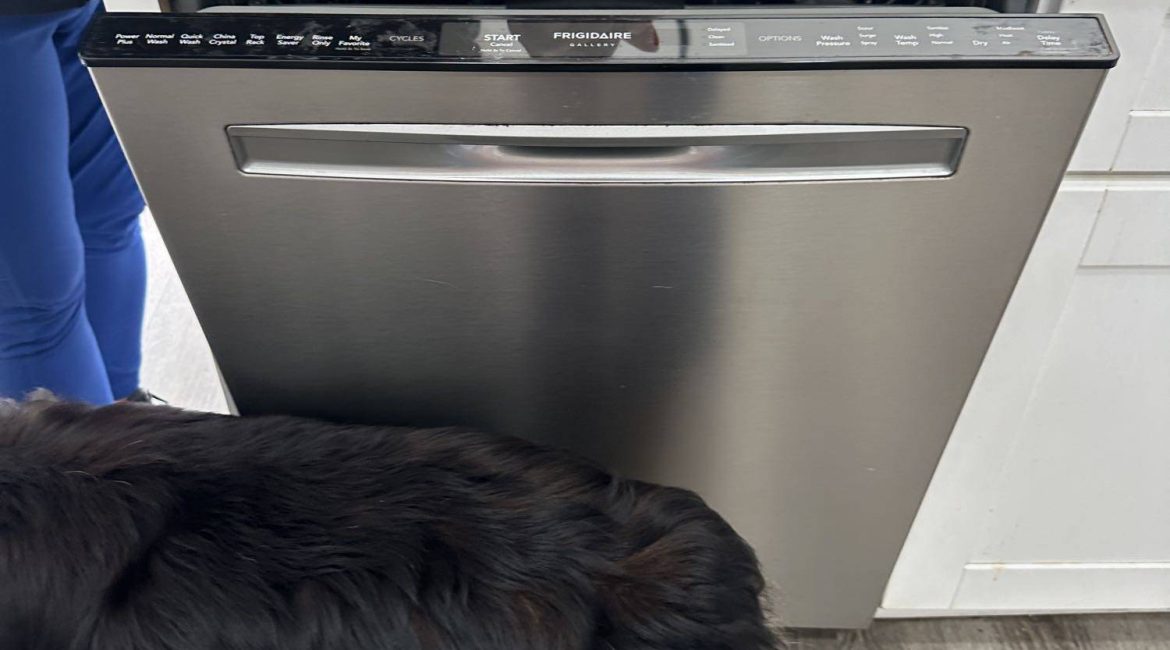
A dishwasher that cycles through but leaves dishes covered in grit or soap residue is a frustrating household mystery. You hear the motor humming and the water filling, yet the cleaning results are lackluster. Often, the culprit is not a lack of water, but a lack of water pressure—the force required to spin the spray arms and scrub the dishes.
When spray performance drops, the mechanical action of the dishwasher is compromised. Understanding the flow of water from the inlet valve to the spray nozzles can help you pinpoint exactly where the pressure is being lost.
1. Clogged Spray Arm Nozzles
The most frequent cause of weak pressure is simple physical obstruction. Over time, tiny particles of food, popcorn kernels, toothpick shards, or hard water mineral deposits can wedge themselves inside the small holes of the spray arms.
If these holes are blocked, water cannot exit with enough velocity to spin the arm or reach the top rack. To check this, remove the spray arms (usually held by a simple nut or clip) and rinse them under a faucet. If you see debris trapped inside, use a toothpick or a small piece of wire to carefully clear each hole.
2. The Filtration System and Sump Base
Modern dishwashers use a series of filters to prevent food from recirculating onto your plates. If the fine mesh filter at the bottom of the tub is coated in grease or “biofilm,” it restricts the volume of water the circulation pump can pull.
If the pump cannot draw water quickly enough, it cannot generate the PSI (pounds per square inch) necessary for a high-pressure spray. Regularly removing the filter assembly and scrubbing it with warm soapy water and a soft brush is essential maintenance that many homeowners overlook.
3. Hard Water and Limescale Buildup
If you live in an area with hard water, calcium and magnesium deposits can narrow the internal diameter of the water lines and the circulation pump’s impeller. This is similar to how cholesterol affects blood flow in an artery.
Limescale doesn’t just clog the spray arms; it can coat the heating element and the internal sensors, leading to inefficient cycles. Running a monthly cleaning cycle with a specialized descaler or a bowl of white vinegar can help dissolve these deposits before they permanently damage the pump.
4. Malfunctioning Circulation Pump
The circulation pump is the heart of the machine. While the drain pump removes water, the circulation pump is responsible for forcing it through the spray arms. If the motor is beginning to fail, or if the impeller (the spinning blades inside the pump) is damaged or stripped, the pump will still run, but it won’t produce the “oomph” needed for a powerful spray.
A humming sound accompanied by poor cleaning often points to a failing motor or a foreign object (like a piece of broken glass) jammed in the impeller housing.
5. Overloading and Improper Loading
Sometimes the issue isn’t mechanical, but structural. If a large platter or a tall baking sheet is placed in a way that blocks the rotation of the spray arm, the water will only hit one area of the dishwasher. Similarly, “nesting” spoons or crowding plates too closely creates “blind spots” where the spray cannot reach. Before assuming a mechanical failure, ensure the spray arms can spin freely by hand before you start a cycle.
When to Call the Professionals
While clearing a spray arm is a simple DIY task, issues involving the circulation pump, internal seals, or water inlet valves require technical expertise. Attempting to dismantle the motor assembly without proper tools can lead to leaks or electrical hazards.
If you have cleaned your filters and checked your spray arms but your dishes are still coming out dirty, it is time for a professional diagnostic.
If your dishwasher has lost its cleaning power, don’t settle for hand-washing every plate. Contact Poway Appliance Repair Service Center today. Our experienced technicians specialize in diagnosing complex pressure issues and restoring your appliances to peak performance. Schedule your service appointment now to ensure your kitchen runs smoothly again.
Contact us