
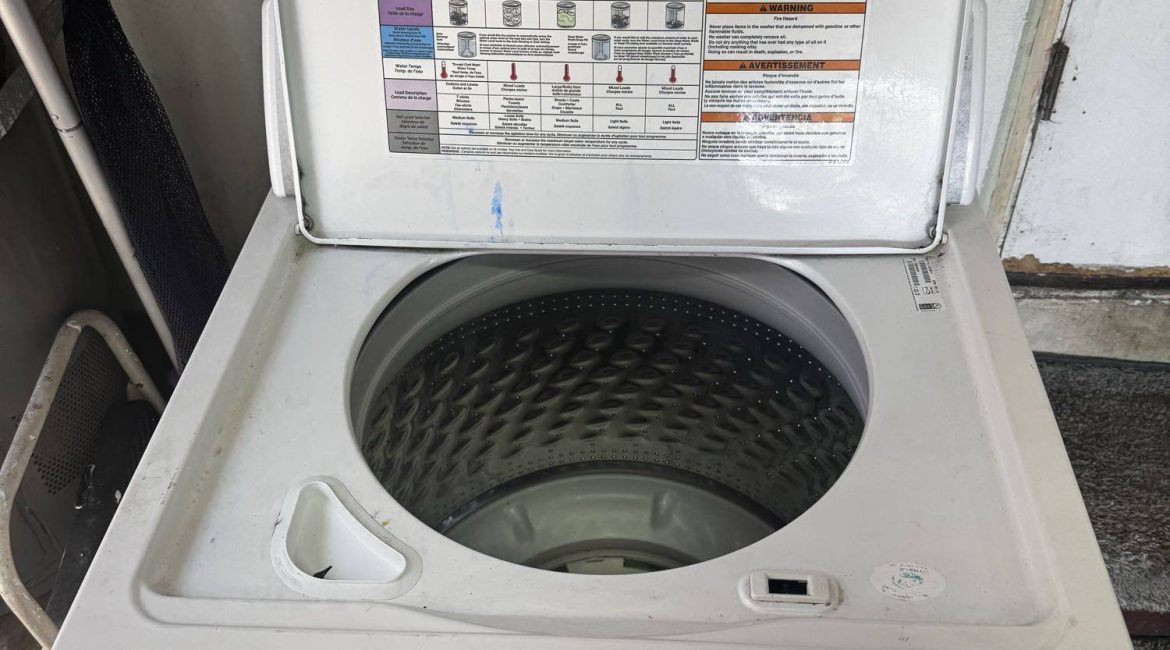
A GE washing machine that fills with water but does not begin the wash cycle can leave you wondering whether the problem is minor or requires professional repair. When the tub fills normally but the washer does not agitate, tumble, or start the selected cycle, the issue is often related to the motor, control board, drive system, or another component responsible for starting the wash action. Understanding the possible causes can help you recognize the problem early and avoid unnecessary damage.
Why Does a GE Washer Fill but Not Wash?
The filling stage and the washing stage rely on different components. The washer can successfully open the water valves, fill the tub, and then stop because another part fails to activate. One possible cause is a motor problem. The motor powers the mechanical movement required during the wash cycle. If the motor has failed, overheated, or developed an electrical problem, the washer may fill with water but remain completely still afterward.
A defective motor can sometimes produce unusual sounds before it stops working. You may hear humming, clicking, or buzzing without seeing the drum or agitator move. In other cases, the washer may be completely silent once the filling process ends. Another possibility is a control board failure. The electronic control board coordinates the washer’s different functions, including water filling, motor operation, draining, spinning, and cycle timing. If the board does not send the correct signal to the motor, the washer can fill normally but fail to continue the cycle.
Other Components That Can Cause the Problem
Although the motor and control board are common suspects, they are not the only possibilities. The lid switch or door lock can prevent the washer from starting the wash portion of a cycle. Many GE models are designed to keep the motor from operating when the machine cannot confirm that the lid or door is properly closed. A damaged switch, faulty lock, or wiring problem can therefore create symptoms that look like a motor failure. The drive belt, where applicable, can also be responsible. If the belt is broken, loose, or severely worn, the motor may operate without transferring enough power to the drum or agitator.
A problem with the motor coupling, actuator, transmission, or drive system can create similar symptoms depending on the GE washer model. These components help transfer motor power into the mechanical movement required for washing. Electrical issues should also be considered. A loose connector, damaged wire, or failed component can interrupt communication between the control board and motor.
What You Can Check Before Calling for Repair
Start by making sure the washer is receiving stable power. If the display is working and the machine fills with water, power is reaching at least some of its components, but that does not rule out an internal electrical problem. Check that the lid or door closes completely. Remove any objects that could prevent it from locking properly.
You can also try cancelling the current cycle and restarting the washer according to the manufacturer’s instructions. If the machine repeatedly fills and then stops at exactly the same point, the problem is likely more than a temporary control glitch. Pay attention to what happens immediately after the tub fills. Does the washer hum? Does the motor attempt to start? Does the drum move slightly and stop? Is there complete silence? These details can help a technician identify the likely source of the failure. Avoid repeatedly starting cycles if the motor is making unusual noises or appears to be struggling. Continued operation can place additional stress on electrical and mechanical components.
Why Professional Diagnosis Matters
A washer that fills but will not wash can have several different causes with very similar symptoms. Replacing the motor without testing the control board, wiring, switches, and drive components can lead to unnecessary expenses. A professional technician can inspect the washer, test the relevant electrical components, check connections, examine the drive system, and determine which part is actually preventing the wash cycle from starting.
The correct diagnosis also depends on the specific GE washer model. Different models use different drive systems, controls, sensors, and configurations, so troubleshooting should be based on the appliance’s design rather than assumptions. Prompt repair can also prevent a secondary problem. For example, if a motor is struggling because of a mechanical obstruction or failing drive component, continuing to operate the washer may increase wear on other parts.
Keep Your GE Washer Working Reliably
A GE washing machine should move from filling to washing without hesitation. If it repeatedly fills with water and then stops, the motor, control board, lid or door switch, drive components, wiring, or another internal part may need attention. Instead of replacing parts based on guesswork, arrange a professional inspection to identify the actual cause of the failure.
For dependable appliance diagnostics and repair, contact Poway Appliance Repair Service Center. Our technicians can inspect your GE washing machine, identify the faulty component, and recommend the appropriate repair. Contact Poway Appliance Repair Service Center today to schedule GE washing machine repair and get your appliance back to proper operation.
Contact us