
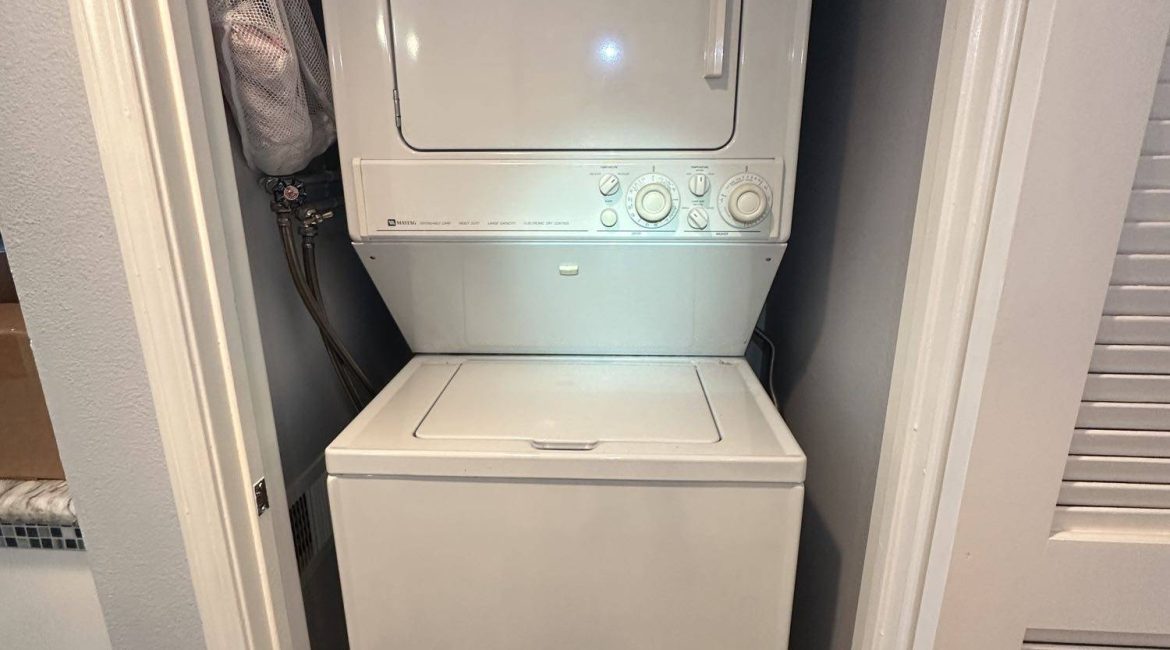
A washing machine that overfills is more than a minor inconvenience; it is a looming household disaster. While a small leak might ruin a rug, an overfilling unit can cause significant structural damage to floors and ceilings. When this issue specifically occurs during the rinse cycle, it points to a breakdown in the delicate balance of sensors, valves, and pressure systems that manage water volume. Understanding why your washing machine refuses to stop drinking water requires a dive into the mechanics of water level control.
The Anatomy of Water Management
To diagnose an overfilling machine, one must first understand how a washer “knows” it is full. Most modern machines rely on three primary components: the water inlet valve, the pressure switch (or water level sensor), and the air pressure tube.
When you start a cycle, the control board sends an electrical signal to the water inlet valve, opening it to allow flow. As the tub fills, air is trapped inside a small plastic tube connected to the bottom of the outer tub. As the water level rises, it pushes the air up this tube, increasing the pressure. When that pressure reaches a specific threshold, it triggers the pressure switch. This switch then signals the control board to cut power to the inlet valve, stopping the water. If any link in this chain breaks, the water keeps flowing.
Why Overfilling Happens During the Rinse Cycle
It is a common mystery: why does the machine work perfectly during the initial wash but fail during the rinse? The rinse cycle often requires a different water level or involves the activation of different solenoids within the water inlet valve. In some cases, a valve might be “sticky,” meaning it can open correctly but fails to snap shut when the power is cut, particularly after it has been running for a duration or when the water pressure from the home’s pipes fluctuates.
Common Culprits Behind the Overflow
1. Faulty Water Inlet Valve
The water inlet valve is a mechanical part controlled by electromagnetic solenoids. Over time, calcium deposits or sediment from the water supply can build up inside the valve. This debris can physically prevent the valve from closing entirely. If you notice that water continues to trickle into the drum even when the machine is unplugged, the inlet valve is almost certainly the culprit. It has failed mechanically and can no longer hold back the household water pressure.
2. Clogged or Leaking Pressure Tube
The pressure tube is the “messenger” of the system. If this clear plastic tube becomes clogged with hair, lint, or undissolved detergent, the air cannot move freely to trigger the sensor. Similarly, if the tube has a tiny pinhole leak or a crack, the pressure will escape. The sensor will never “feel” that the tub is full, and the machine will continue to fill until it overflows.
3. Defective Pressure Switch
If the air pressure reaches the switch but the switch fails to click over, the electrical circuit remains closed, and the water continues to flow. In older mechanical models, these switches can simply wear out. In newer digital models, the electronic pressure transducer may send an incorrect voltage signal to the main control board, leading to a “ghost” fill.
4. Low Household Water Pressure
Paradoxically, low water pressure can cause an overflow. Some inlet valves require a minimum amount of pressure (usually around 20 PSI) to snap shut once the electricity is turned off. If your home’s pressure is too low, the valve may stay partially open, causing a slow but steady overfill during the longer rinse sequences.
Troubleshooting and Safety
If you suspect your machine is overfilling, the first step is safety. Turn off the dedicated water faucets behind the machine and unplug the unit. Check the pressure tube for any visible obstructions or kinks. If the tube is clear, the issue likely resides within the inlet valve or the pressure switch—both of which usually require professional testing with a multimeter to confirm electrical failure.
Attempting to repair these components without the proper tools can lead to further damage to the control board, which is a significantly more expensive repair than a simple valve replacement.
Professional Assistance for Peace of Mind
Water damage is one of the most expensive home repairs to mitigate. If your washing machine is showing signs of water level instability, do not wait for a flood to take action. Expert diagnostics can identify whether the issue is a simple sediment clog or a complex electronic failure.
For residents dealing with appliance malfunctions, professional help is just a call away. Ensure your home stays dry and your laundry stays managed by contacting the experts. Call Poway Appliance Repair Service Center today to schedule a comprehensive diagnostic and repair. Our technicians are equipped to handle water level control issues on all major brands, providing you with a reliable and lasting solution.
Contact us