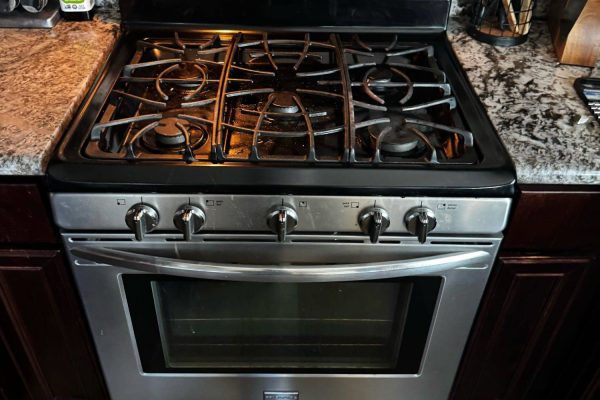

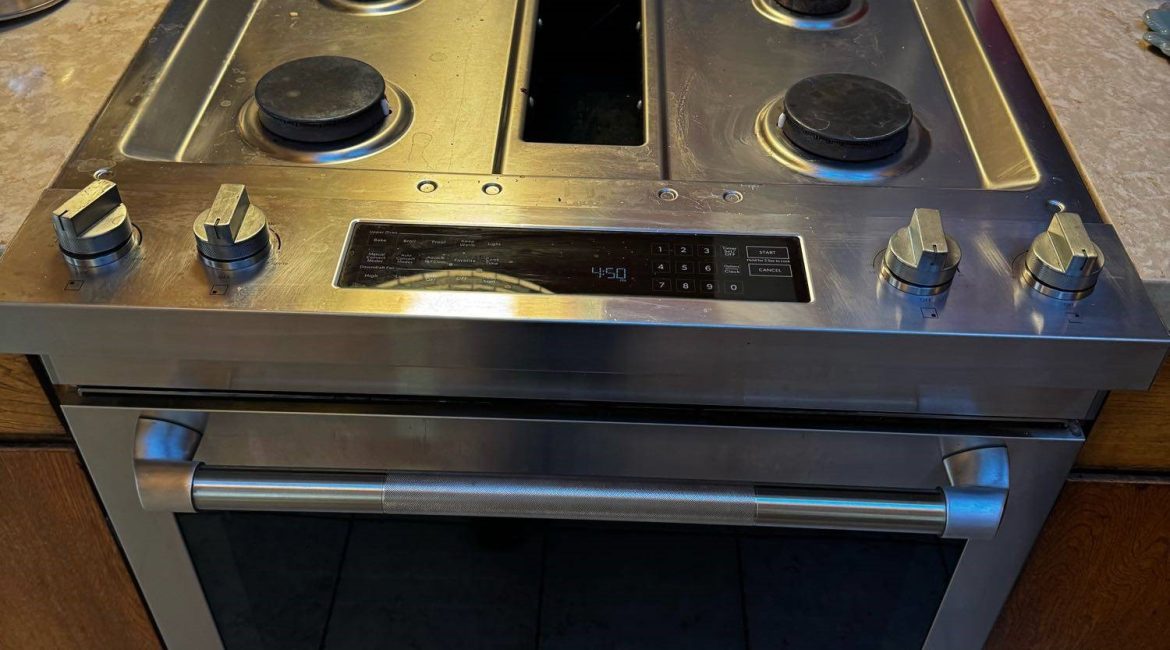
A gas burner that lights for a second and then instantly goes out is more than an inconvenience. It stops your cooking, disrupts your routine, and often creates unnecessary stress because most homeowners assume the worst: gas supply issues, major internal failures, or expensive repairs. But in reality, this problem is commonly caused by a small component that costs around ten dollars yet controls the entire safety system of your stove.
If your burner refuses to stay lit, here is what’s actually happening inside your appliance — and why ignoring it can turn a simple fix into a costly repair.
How Your Burner Is Supposed to Work
When you turn the knob, gas begins to flow and the igniter creates a spark to light the flame. But modern stoves don’t just trust that flame to stay there. They have a built-in safety system designed to shut off gas automatically if no flame is detected. This system relies on a small metal rod called the flame sensor or thermocouple.
The flame sensor acts like the stove’s “eyes.” When it senses heat from the flame, it generates a small electrical current that signals to the gas valve: “Everything is good, keep the gas flowing.” If the sensor does not detect heat — either because the flame never formed or the sensor cannot properly read it — the stove immediately cuts the gas for safety.
This is exactly why the flame goes out a second or two after ignition. The thermocouple does not confirm the flame, and the system shuts everything down.
The Ten-Dollar Part Responsible for a Hundred-Dollar Headache
The thermocouple is inexpensive, simple in design, and extremely reliable when clean and properly aligned. But as your stove ages, heat, grease, and repeated use slowly affect its performance. Some of the most common issues include:
- A dirty or coated burner sensor
Over time, tiny layers of grease, soot, or oxidation build up on the thermocouple. Even a thin film can prevent it from reading heat correctly. The burner lights, but the sensor does not respond in time — so the flame dies out immediately. - A bent, loose, or misaligned sensor
If the thermocouple is not close enough to the flame, it cannot generate the electrical signal needed to keep the burner on. This can happen after cleaning, general wear, or handling the grates and burner caps. - A weakened or failing thermocouple
At some point, the sensor simply loses its ability to respond to heat. It becomes a low-cost part that creates a very expensive problem when left unaddressed. - A faulty gas valve triggered by sensor malfunction
When the sensor repeatedly fails to confirm the flame, the gas valve begins to work harder, switching off and on repeatedly. Over time, this strain can cause the valve to fail — turning a simple ten-dollar fix into a repair that may cost hundreds.
Why This Problem Should Never Be Ignored
A burner that won’t stay lit is not just an inconvenience. Here’s what may follow if the issue is left unresolved:
- Inconsistent ignition
You’ll waste time repeatedly trying to light the burner, dealing with clicking and extinguished flames. - Gas odor and risk exposure
Even though safety systems shut off gas quickly, repeated attempts can release small amounts that create discomfort or concern. - Damage to internal components
Failure of the gas valve, igniter, or wiring can escalate repair costs dramatically. - Heat imbalance during cooking
Dishes do not cook evenly, leading to poor performance and frustration in the kitchen.
How Professionals Fix the Issue
A trained technician normally performs the following steps:
- Inspect and test the flame sensor and igniter.
- Clean oxidation, grease, and buildup from the thermocouple.
- Adjust the alignment of the sensor relative to the flame.
- Test the gas valve to ensure proper functioning.
- Replace the thermocouple if it is weak or unresponsive.
- Reassemble the burner, test ignition, and confirm flame stability.
Most of the time, the problem is resolved in minutes once the technician identifies the sensor failure.
Preventing the Issue in the Future
To extend the life of your gas stove:
- Avoid using oversized pots that trap heat and damage components.
- Clean burners regularly using non-abrasive methods.
- Never bend or force the burner parts when cleaning.
- Schedule periodic maintenance to ensure your gas system is safe.
If Your Burner Won’t Stay Lit, Don’t Wait
A burner flame that goes out right after ignition almost always points to a failing or dirty thermocouple — the inexpensive piece responsible for a major inconvenience. Instead of letting the issue escalate into a larger repair, get a professional diagnosis as soon as possible.
For fast, reliable service and expert repair of gas stove issues, contact Poway Appliance Repair Service Center. Our technicians can inspect, diagnose, and repair the problem quickly so your stove works safely and consistently again.
Contact us