
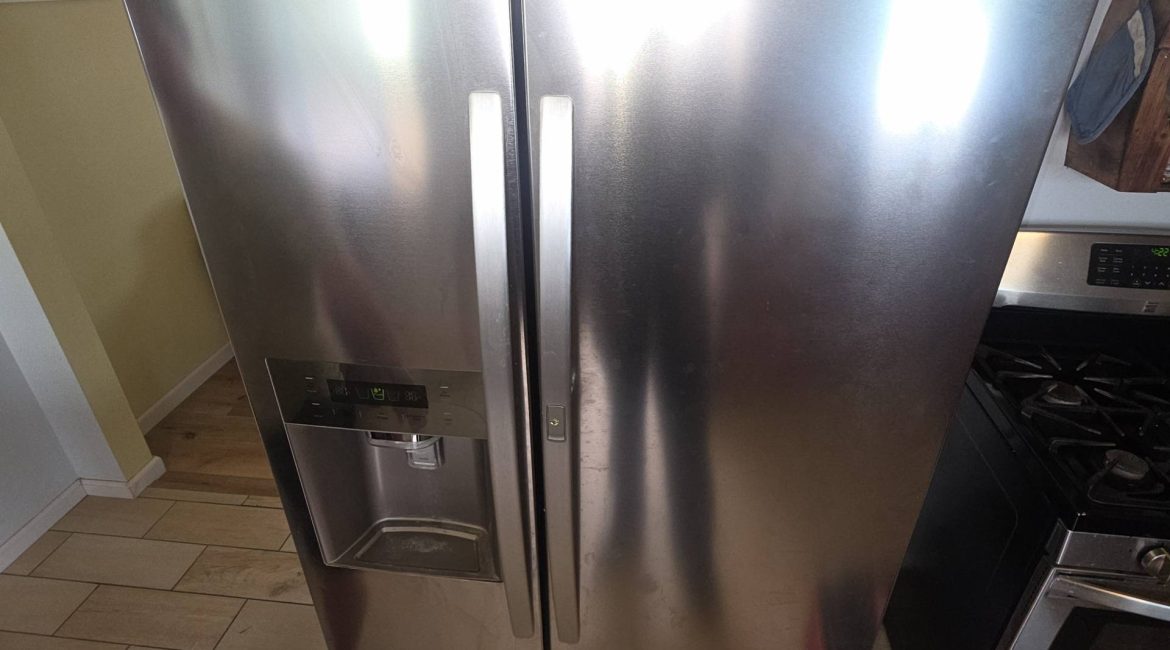
A refrigerator is designed to maintain a stable internal temperature while preserving food safely and efficiently. When the appliance suddenly takes much longer than normal to reach the temperature selected on the control panel, it is often a sign that something within the cooling system is not functioning properly. While occasional temperature fluctuations can occur after the door has been left open or large amounts of warm food have been added, persistent cooling delays should not be ignored.
Two common causes of slow cooling performance are airflow restrictions and sealed system problems. Understanding these issues can help homeowners identify warning signs early and prevent more expensive repairs in the future.
How a Refrigerator Reaches the Desired Temperature
Modern refrigerators rely on a combination of components working together. The compressor circulates refrigerant through the sealed system, the condenser removes heat, and the evaporator absorbs heat from inside the refrigerator compartment. Fans move air across these components and distribute cold air throughout the appliance.
When any part of this process is interrupted, the refrigerator may continue running for extended periods while struggling to achieve the desired temperature.
Signs That Cooling Is Taking Too Long
Several symptoms may indicate that the refrigerator is having difficulty reaching the set temperature:
- Food feels warmer than usual.
- The compressor runs almost continuously.
- The refrigerator takes many hours to cool after being loaded with groceries.
- Temperature readings fluctuate throughout the day.
- Ice production decreases.
- Energy bills increase due to longer operating cycles.
These symptoms often point to either restricted airflow or a problem within the sealed refrigeration system.
Airflow Restriction Problems
Proper airflow is essential for maintaining consistent temperatures. Cold air must move freely throughout the refrigerator and freezer compartments. When airflow becomes restricted, cooling performance suffers.
Blocked Air Vents
Most refrigerators contain vents that allow cold air to circulate between compartments. Food containers, packaging, or improperly arranged items can block these vents and prevent adequate airflow.
When circulation is limited, some areas may become too warm while others remain cold. The refrigerator may continue running longer as it attempts to compensate for uneven temperatures.
Frost Buildup on the Evaporator
A malfunctioning defrost system can cause excessive frost accumulation on the evaporator coils. As frost thickens, airflow through the evaporator becomes increasingly restricted.
Common causes include:
- Faulty defrost heaters
- Defective defrost thermostats
- Failed control boards
- Damaged temperature sensors
Heavy frost buildup reduces cooling efficiency and forces the refrigerator to work much harder to maintain temperature.
Dirty Condenser Coils
Condenser coils release heat removed from the refrigerator. Over time, dust, pet hair, and debris can accumulate on the coils, reducing their ability to dissipate heat effectively.
When condenser coils become dirty, the refrigeration system loses efficiency. The compressor may run longer and temperatures may take significantly more time to stabilize.
Routine cleaning can often restore proper performance and improve energy efficiency.
Faulty Evaporator or Condenser Fan
Fans play a critical role in air circulation. If an evaporator fan or condenser fan motor fails, cold air may not move properly through the appliance.
Warning signs include:
- Unusual noises
- Weak airflow from vents
- Warm refrigerator compartments
- Extended cooling times
A professional inspection can determine whether a fan motor requires repair or replacement.
Sealed System Problems
The sealed system is responsible for transporting refrigerant throughout the cooling circuit. Problems within this system are generally more serious and require specialized diagnostic equipment.
Refrigerant Leaks
Refrigerant absorbs and transfers heat during the cooling process. If a leak develops, the system may no longer contain enough refrigerant to cool efficiently.
Symptoms may include:
- Continuous compressor operation
- Slow cooling performance
- Warm refrigerator temperatures
- Partial frost patterns on evaporator coils
Because refrigerant handling requires specialized certification and equipment, these repairs should only be performed by qualified technicians.
Weak Compressor Performance
The compressor is the heart of the refrigeration system. As compressors age, internal wear can reduce their ability to compress and circulate refrigerant effectively.
A weakening compressor may still operate but struggle to maintain proper pressures within the system. As a result, cooling cycles become longer and temperatures take more time to reach desired levels.
Internal Restrictions
Contaminants or blockages within the sealed system can restrict refrigerant flow. Even a partial restriction can significantly reduce cooling capacity.
When refrigerant cannot move freely through the system, heat transfer becomes inefficient, causing prolonged cooling times and temperature instability.
Diagnosing these restrictions often requires advanced testing procedures that are beyond routine maintenance.
Why Prompt Repairs Matter
Ignoring slow cooling problems can lead to more serious consequences. Extended compressor operation increases wear on critical components and raises energy consumption. Food safety can also become a concern if temperatures remain above recommended levels for extended periods.
Addressing airflow restrictions early may prevent unnecessary stress on the refrigeration system. Likewise, identifying sealed system issues before complete failure occurs can help reduce repair costs and minimize downtime.
Professional Diagnosis Is Important
While homeowners can perform basic maintenance such as cleaning condenser coils and checking for blocked vents, many cooling issues require professional evaluation. Refrigerators contain complex electrical, mechanical, and refrigeration components that must be tested systematically to identify the root cause.
Accurate diagnosis ensures that the correct repair is performed and helps prevent recurring temperature problems.
Schedule Service with Poway Appliance Repair Service Center
If your refrigerator takes longer than usual to reach the set temperature, don’t wait for the problem to worsen. Airflow restrictions, refrigerant leaks, compressor issues, and other cooling system failures can lead to food spoilage, higher utility bills, and costly repairs.
Contact Poway Appliance Repair Service Center today for professional refrigerator diagnostics and repair. Our experienced technicians can identify the cause of slow cooling, restore proper performance, and help keep your refrigerator operating efficiently for years to come. Call now to schedule your service appointment.
Contact us
(858) 203-0990