

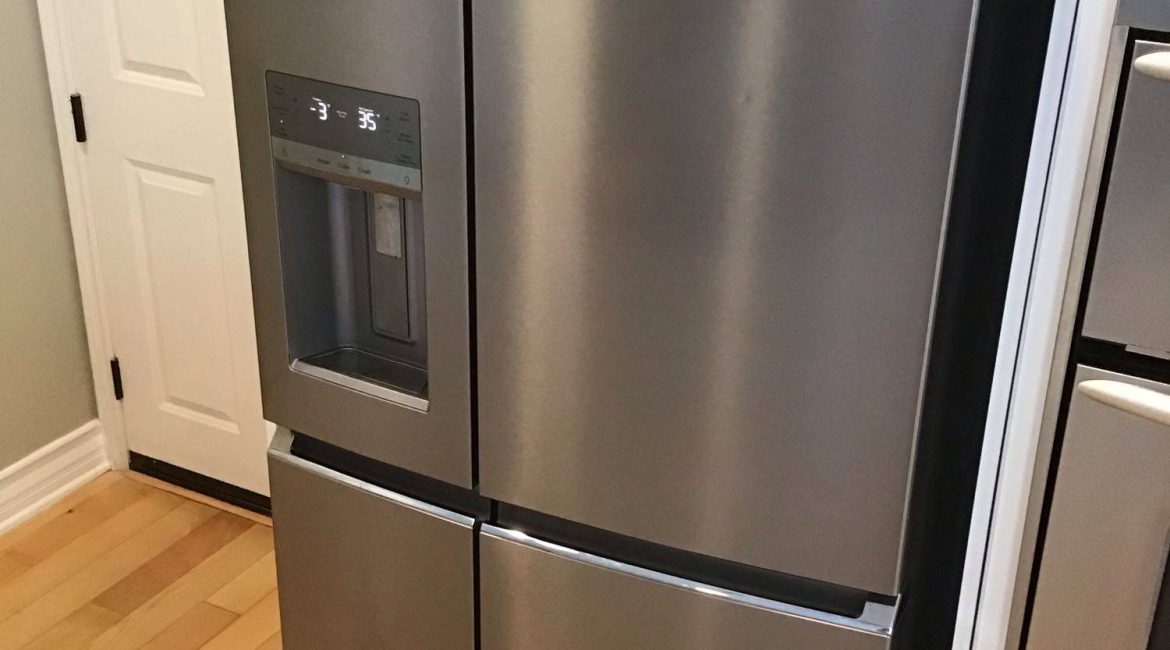
A Bosch refrigerator is designed to operate quietly, so a squeaking noise every time you open or close the door can quickly become frustrating. You might hear a sharp creak when lifting the handle, a rubbing sound as the door swings, or a squeal that becomes louder after repeated use. Although these noises may seem minor, they can indicate wear in the door hinges, problems with the closing mechanism, or misalignment that should be addressed before additional damage occurs.
The refrigerator door is opened and closed many times every day. Over time, its hinges and supporting components experience repeated mechanical stress. If a part becomes worn, loose, dirty, or improperly aligned, the door may no longer move smoothly. Identifying the source of the noise can help you determine whether a simple adjustment is sufficient or professional appliance repair is necessary.
Common Causes of a Squeaking Bosch Refrigerator Door
Worn or Dry Door Hinges
Door hinges are among the most common sources of squeaking. They support the weight of the refrigerator door while allowing it to rotate smoothly. Each time you open the refrigerator, the hinge components move against one another.
Over time, friction can increase because of wear, contamination, or the deterioration of materials used in the hinge assembly. This can produce a creaking or squealing sound, especially when the door is opened slowly or held at a particular angle.
A squeak that consistently occurs at the same point during the door’s movement may indicate a hinge-related problem. If the door also feels stiff or requires more effort to open, the hinges may need inspection.
Avoid applying household lubricants without checking the manufacturer’s recommendations. Some products can damage plastic components, attract dust, or interfere with the operation of the hinge assembly. A technician can identify the appropriate maintenance procedure and determine whether a worn hinge needs replacement.
Loose or Damaged Hinge Hardware
A refrigerator door places considerable weight on its hinges, particularly when its interior shelves hold bottles, jars, and other heavy items. Repeated movement can gradually expose loose mounting hardware or reveal damage to the hinge assembly.
When a hinge becomes loose, the door may shift slightly as it opens or closes. This movement can create squeaking, clicking, or creaking noises. You may also notice that the door appears uneven or does not line up properly with the refrigerator cabinet.
Loose hardware should not be ignored. Continued use can increase stress on the remaining mounting points and make the door more difficult to align. In some cases, the problem may involve a damaged hinge bracket rather than a screw that simply needs tightening.
Because refrigerator doors can be heavy, removing or adjusting them without the proper support can cause injury or additional damage. Professional inspection is recommended if the door appears unstable or visibly misaligned.
Problems With the Door Closing Mechanism
Many refrigerator designs use components that help the door close correctly and remain securely shut. Depending on the Bosch model, the door assembly may include closing cams, stops, or other mechanisms that control movement near the hinge.
When these components wear down or become damaged, the door may produce a squeak near the end of its travel. You might notice that it catches slightly, resists closing, or makes an unusual noise just before reaching the closed position.
A damaged closing mechanism can also affect how consistently the door seals against the cabinet. If the door does not close completely, warm air can enter the refrigerator, increasing the workload on the cooling system.
The correct repair depends on the refrigerator’s model and hinge design. A technician can inspect the mechanism, check its movement, and replace defective components when necessary.
Door Misalignment
A Bosch refrigerator door that is not properly aligned may rub against another component or place uneven pressure on the hinges. This can happen after moving the appliance, loading the door shelves heavily, or experiencing a problem with the refrigerator’s leveling.
Signs of misalignment include uneven gaps around the door, contact between adjacent doors, and squeaking that occurs only when the door reaches a particular angle.
The refrigerator’s position can contribute to closing problems. If the appliance is not level according to its installation requirements, the door may not swing or close as intended.
Checking the appliance’s position and inspecting the door alignment can help identify the source of the problem. However, adjustments should follow the instructions for the specific Bosch model because hinge designs and adjustment procedures vary.
Damaged Door Gasket or Contact Surfaces
Not every squeaking sound originates inside the hinge. The rubber door gasket and nearby contact surfaces can also create rubbing or squealing noises.
If the gasket is dirty, folded, worn, or displaced, it may drag against the refrigerator cabinet when the door moves. The sound can resemble a hinge squeak, making the actual cause difficult to identify without a closer inspection.
Examine the visible gasket for dirt, tears, deformation, or sections that have pulled away from their intended position. Cleaning an intact gasket with a suitable, manufacturer-approved method may help if residue is contributing to the noise.
A damaged gasket requires further attention because it can compromise the door seal. If the refrigerator also develops condensation, excessive frost, or difficulty maintaining temperature, arrange an inspection rather than treating the squeak as an isolated issue.
What You Can Check Before Calling a Technician
A few simple observations can help narrow down the cause without dismantling the door.
First, open and close the refrigerator slowly. Pay attention to whether the squeak occurs throughout the movement or only at one specific point. A noise near the beginning of the movement may suggest hinge friction, while a sound near the closing position may involve the closing mechanism or gasket.
Next, check whether the door looks uneven when closed. Compare the gaps around its edges and look for signs that it rubs against an adjacent door or cabinet surface.
Inspect the visible gasket for dirt or damage, and make sure heavy items have not overloaded the door shelves. If the refrigerator was recently moved, verify that it is positioned according to the installation instructions.
Do not force a stiff door, remove hinge covers unnecessarily, or attempt to dismantle a spring-loaded closing mechanism. Avoid using oil, grease, or penetrating sprays unless Bosch specifically recommends the product for the relevant component.
If the noise persists, the door becomes difficult to move, or its alignment changes, professional diagnosis is the safest next step.
Why Prompt Refrigerator Door Repair Matters
A squeaking door does not automatically mean the refrigerator is about to fail. However, the sound can be an early warning that a mechanical component needs attention.
A worn hinge may gradually develop excessive movement. A damaged closing mechanism may prevent the door from shutting reliably. A misaligned door or defective gasket can interfere with the seal and allow warm air to enter the refrigerator.
When warm air enters repeatedly, the appliance may need to run longer to maintain the selected temperature. This can contribute to unnecessary energy use and temperature fluctuations that affect food storage.
Addressing the problem early can help prevent secondary damage and restore normal door operation. The technician should inspect the hinges, mounting hardware, closing mechanism, door alignment, and gasket before recommending a repair.
The exact solution depends on the Bosch refrigerator model and the condition of its components. Some problems can be resolved through adjustment, while others require replacement parts.
Professional Bosch Refrigerator Repair in Poway
If your Bosch refrigerator door squeaks every time you open it, do not wait for the noise to become worse or for the door to stop closing correctly. A professional technician can identify whether the issue comes from worn hinges, loose hardware, a defective closing mechanism, misalignment, or a damaged gasket.
Poway Appliance Repair Service Center can help you address refrigerator door problems and restore smooth, reliable operation. Professional diagnosis helps ensure that the correct component is repaired or replaced instead of relying on temporary fixes that may not solve the underlying issue.
Whether the door creaks when opening, squeals near the closing position, or appears uneven against the refrigerator cabinet, arrange an inspection to determine the cause.
Contact Poway Appliance Repair Service Center to schedule refrigerator repair. Get the door mechanism checked, address the source of the squeaking, and help keep your Bosch refrigerator operating as intended.
Contact us
