
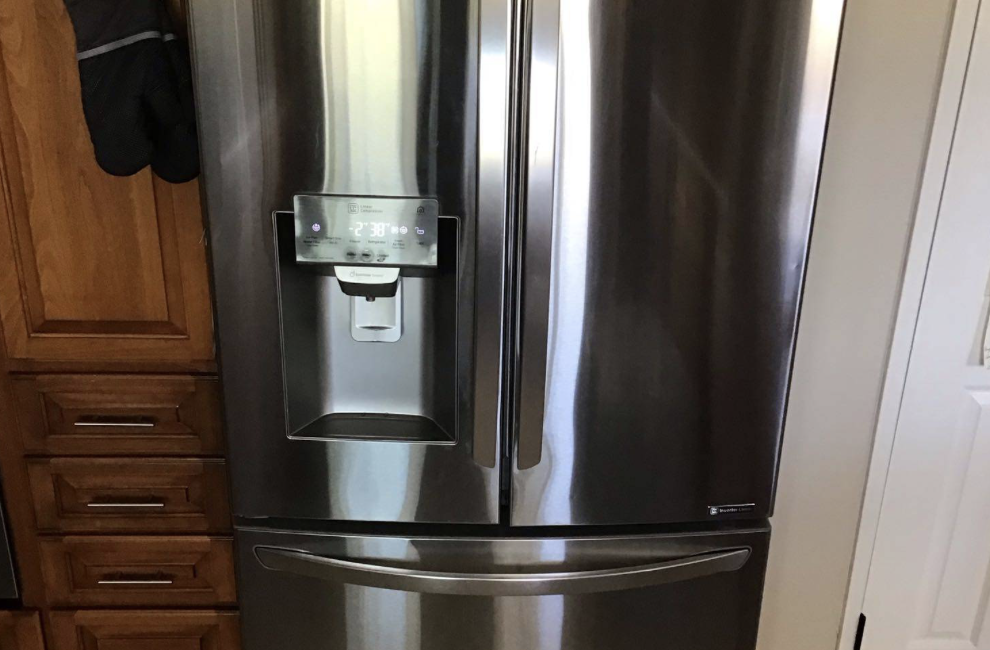
When your GE refrigerator lights work but the compressor won’t start, it can be confusing. The interior lights, display panel, and fans may appear to function normally, making it seem like the refrigerator is receiving power. However, if the compressor never starts, the refrigerator cannot cool, and the temperature inside will quickly rise.
Several components can prevent the compressor from operating, but two of the most common causes are a faulty start relay and a failing compressor. Understanding how these parts work can help you recognize the warning signs before food spoils.
Why the Lights Still Work
Many homeowners assume that if the refrigerator lights are on, the appliance should also be cooling. In reality, the lighting circuit and the cooling system operate independently. A refrigerator may receive electricity while a failure elsewhere prevents the compressor from starting.
The compressor is the heart of the cooling system. It circulates refrigerant through the sealed system, allowing heat to leave the refrigerator. Without the compressor, the refrigerator cannot maintain safe food storage temperatures.
A Defective Start Relay
One of the most common reasons a GE refrigerator lights work but compressor won’t start is a failed start relay.
The start relay provides the initial electrical boost the compressor needs to begin running. After startup, the relay disengages, allowing the compressor to continue operating normally.
Over time, the relay can wear out due to repeated use, electrical surges, or internal damage.
Common symptoms include:
- Clicking noises every few minutes
- Compressor attempting to start but immediately shutting off
- Refrigerator lights working normally while cooling stops
- Warm refrigerator and freezer compartments
- Intermittent cooling performance
A damaged relay may produce a rattling sound when removed because internal pieces have broken apart.
Replacing a faulty relay is often far less expensive than replacing the compressor, making early diagnosis especially important.
Compressor Problems
If the start relay has been tested and found to be working correctly, the compressor itself may be failing.
Compressors gradually wear over many years of operation. Internal electrical windings may become damaged, or mechanical components inside the compressor may seize.
Signs of compressor failure include:
- No humming sound from the compressor
- Loud clicking followed by silence
- Compressor becoming extremely hot
- Refrigerator remaining warm despite receiving power
- Breaker occasionally tripping
Unfortunately, compressor repairs are more complex because the compressor is part of the sealed refrigeration system.
Replacing a compressor requires specialized tools, refrigerant handling equipment, and EPA-certified procedures.
Other Possible Causes
Although start relay and compressor failures are among the most likely causes, several additional problems can also prevent the compressor from operating.
These include:
- Faulty overload protector
- Defective main control board
- Failed inverter board on inverter-driven compressors
- Damaged wiring connections
- Incorrect voltage reaching the compressor
- Thermostat or temperature sensor problems
Professional testing is necessary to determine which component has failed.
Why DIY Repairs Can Be Risky
Many homeowners replace parts without confirming the actual source of the problem.
For example, replacing the start relay will not solve the issue if the compressor has already failed. Likewise, replacing the compressor unnecessarily can result in significant expense if the relay is actually defective.
Modern GE refrigerators contain sophisticated electronic controls that require accurate electrical testing before any repair decisions are made.
A professional technician can measure compressor resistance, inspect voltage, test the relay, verify the overload protector, and evaluate the control board before recommending repairs.
Warning Signs You Shouldn’t Ignore
If your refrigerator is showing any of these symptoms, service should be scheduled promptly:
- Refrigerator lights turn on but no cooling occurs
- Freezer begins thawing
- Food spoils faster than expected
- Compressor repeatedly clicks without starting
- Unusual burning smell
- Compressor becomes extremely hot
- Continuous attempts to restart
Ignoring these symptoms may increase repair costs if additional components become damaged.
Prevent Future Compressor Problems
While some failures occur simply because of age, regular maintenance can reduce stress on the cooling system.
Helpful maintenance includes:
- Cleaning condenser coils every six to twelve months
- Keeping proper airflow around the refrigerator
- Avoiding overloaded electrical outlets
- Closing refrigerator doors securely
- Replacing damaged door seals
- Scheduling service when unusual noises first appear
Routine maintenance helps improve efficiency and may extend compressor life.
Professional Diagnosis Saves Time and Money
Because multiple components can produce similar symptoms, accurate diagnosis is essential.
An experienced appliance technician can quickly determine whether the issue involves the start relay, overload protector, control board, inverter, wiring, or compressor itself.
This prevents unnecessary parts replacement and helps restore cooling as efficiently as possible.
If your GE refrigerator lights work but compressor won’t start, don’t wait until your food spoils or the problem becomes more expensive. Whether the cause is a faulty start relay, a failing compressor, or another electrical component, professional diagnosis is the fastest way to restore reliable cooling.
Contact Poway Appliance Repair Service Center today to schedule expert GE refrigerator repair. Our experienced technicians accurately diagnose compressor and start relay problems, use quality replacement parts, and restore your refrigerator to dependable operation as quickly as possible.
Contact us