

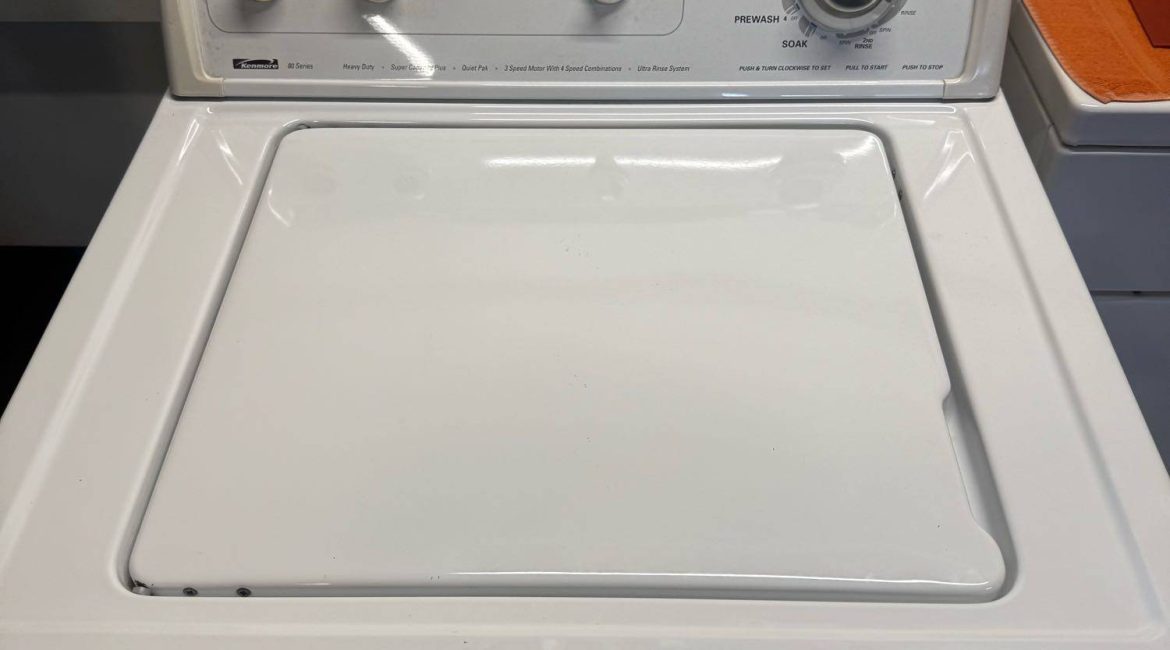
It’s a common scenario: you pull clothes from the washing machine, expecting them to feel soft and fresh, but instead, they seem rougher, stiffer, or even slightly scratchy. Many people reach for more fabric softener, thinking it will fix the problem. But the truth is, the real issue often isn’t about softeners—it’s about your washing machine itself.
The Hidden Culprit: Washing Machine Residue and Build-Up
Over time, washing machines can accumulate detergent residue, mineral deposits, and grime from water supply lines. Even high-efficiency detergents designed to minimize suds can leave a thin layer on fabrics. This build-up may be invisible to the eye but can make fibers feel stiff. When fabric softener is added, it temporarily masks the rough texture but does not remove the underlying residue. As a result, laundry continues to feel rough, even with regular softener use.
Hard Water Effects on Fabrics
Another common contributor is hard water. Water rich in calcium and magnesium ions reacts with detergent, forming insoluble salts that cling to clothes. This can lead to fabrics feeling coarse or scratchy. Fabric softeners may slightly improve the feel, but they cannot eliminate mineral deposits. Over time, hard water can also affect your washing machine, reducing its efficiency and increasing residue accumulation.
Overloading and Improper Wash Cycles
Many households overload the washing machine to save time. When the drum is packed too tightly, clothes cannot move freely, preventing detergents and softeners from distributing evenly. Similarly, using a cycle that’s too short or too cold for certain fabrics can leave detergent residues behind. This results in a stiff, rough texture that won’t fully respond to fabric softeners.
The Role of Detergent Build-Up
Using too much detergent might seem helpful for tough stains, but it often backfires. Excess detergent leaves behind sticky residues that trap dirt and minerals, making clothes feel rougher with each wash. Fabric softeners coat these residues without removing them, giving the illusion of softness while the problem persists.
When It’s Your Washer, Not Your Laundry
If you notice a gradual decline in your laundry’s texture, it might be time to examine your washing machine. Older washers, or those that haven’t been serviced in years, may have clogged filters, worn-out seals, or build-up in hidden compartments. These issues reduce water flow, prevent proper rinsing, and leave detergent or mineral residue on clothes—even after multiple rinse cycles.
Solutions Beyond Fabric Softener
- Professional Washer Maintenance: A technician can clean internal components, descale mineral deposits, and inspect filters or hoses to restore proper water flow and rinse efficiency.
- Water Softening Options: Installing a water softener or using a detergent designed for hard water can reduce mineral build-up on fabrics.
- Adjusting Wash Settings: Ensure you’re using the appropriate cycle for fabric types, avoid overloading, and measure detergent accurately.
- Regular Cleaning Routines: Run periodic cleaning cycles using washing machine cleaners or a vinegar solution to remove detergent residues and mineral deposits.
By addressing the root cause—your washing machine and water quality—your laundry will return to its soft, fresh state, and fabric softeners will actually enhance the feel instead of masking an ongoing problem.
If your clothes feel rough despite using fabric softener, it’s time to check the health of your washing machine. Contact Poway Appliance Repair Service Center for professional inspection and maintenance. Don’t let detergent residue or hidden washer issues compromise your laundry—restore softness and freshness today.
Contact us