

Most homeowners don’t pay much attention to the subtle sounds their washing machine makes. After all, modern washers produce a variety of normal operational noises: filling, draining, agitating, and spinning. But when your washer begins making a short humming sound right before the spin cycle starts — and this sound wasn’t there before — it may be an early warning sign of an internal issue developing.
That brief hum might seem harmless at first. The machine still completes the cycle. Clothes come out clean. Nothing appears broken. However, that small change in sound can indicate strain inside key components that control spinning, draining, and motor performance.
One of the most common causes of a pre-spin humming sound is stress on the drain pump. Before the washer spins at high speed, it must fully drain the water from the drum. If the pump is partially obstructed by lint, small debris, or residue buildup, it may struggle momentarily before clearing enough water to proceed. That struggle often sounds like a short hum. Over time, partial blockages can worsen and eventually prevent proper draining, leading to standing water or cycle interruptions.
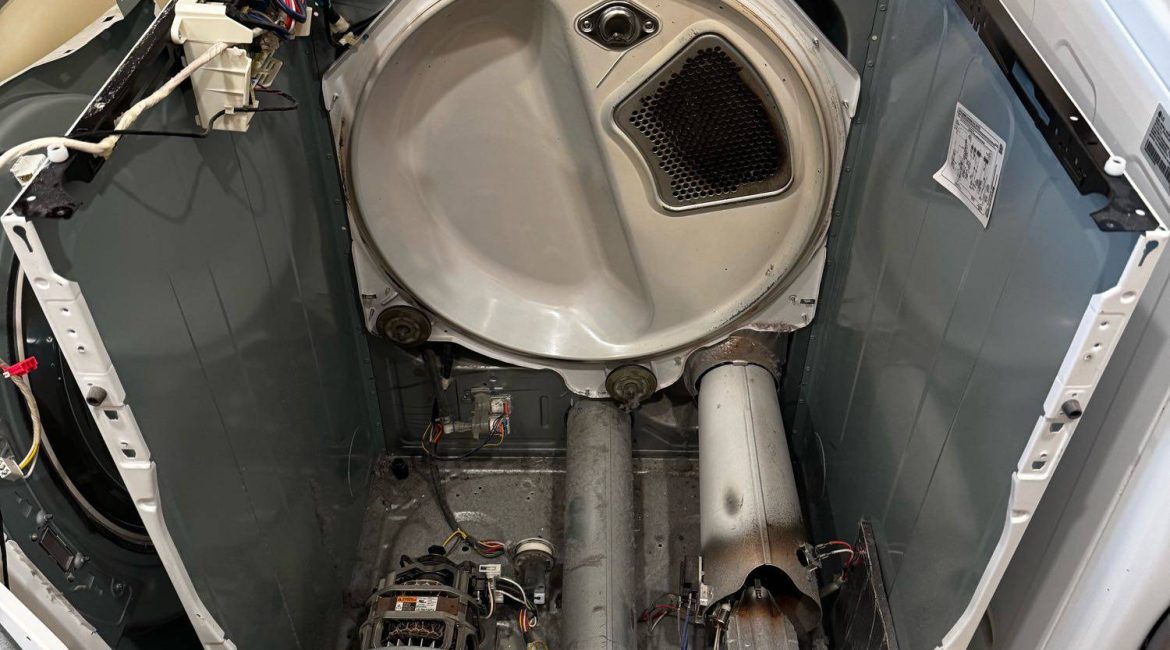
Another possibility involves the motor coupling or drive system. The washer’s motor must engage properly before the drum accelerates into high-speed spin. If components such as the motor coupling, drive belt, or clutch assembly begin to wear down, the motor may hum briefly as it attempts to transfer power to the drum. While the machine may still spin, the added resistance increases internal stress and accelerates component wear.
In some cases, the humming may be linked to the start capacitor. This small electrical component provides the extra boost needed for the motor to begin spinning. When a capacitor begins to weaken, the motor may hesitate slightly before engaging, producing a noticeable hum. Left unchecked, a failing capacitor can eventually prevent the washer from spinning at all.
Control board irregularities can also trigger unusual pre-spin sounds. Modern washers rely on electronic control systems to coordinate draining, locking the lid, and engaging the motor. If the board miscommunicates timing or voltage, the machine may hesitate momentarily before spinning. These early electronic inconsistencies often appear as subtle sound changes before any visible malfunction occurs.
It’s important to understand that washers are designed to operate in a specific sequence: drain, lock, accelerate, and stabilize. When any part of that sequence experiences resistance, even briefly, the machine compensates. The humming sound is often that compensation — the motor working harder than usual.
Ignoring early warning signs can lead to more expensive repairs. A minor pump obstruction today could evolve into pump failure tomorrow. A weakening drive component may eventually snap, causing the drum to stop spinning entirely. Electrical components under prolonged strain can damage adjacent systems.
Many homeowners assume that if the washer still completes cycles, there is no immediate concern. However, appliances often communicate problems gradually. Sound changes are one of the first indicators that something inside the system is shifting away from optimal performance.
There are a few simple observations you can make before calling for service. Does the humming last longer over time? Is it accompanied by slower draining? Do you notice damp clothes after the spin cycle? Does the drum hesitate before accelerating? These patterns can help technicians pinpoint the underlying cause quickly.
It’s also wise to avoid overloading the washer. Excess weight places additional strain on the motor and drive system, potentially worsening early mechanical issues. Regularly cleaning the drain filter and ensuring pockets are empty can also reduce the risk of pump obstruction.
Still, internal components should never be disassembled without proper training. Washers contain electrical systems and mechanical assemblies that require professional tools and diagnostics. Attempting DIY repairs may void warranties or create further damage.
If your washer has started producing a short humming sound before spinning, consider it an early signal — not just background noise. Addressing small issues early can extend the life of your appliance, improve performance, and prevent unexpected breakdowns.
The experienced technicians at Poway Appliance Repair Service Center specialize in diagnosing subtle washer symptoms before they escalate. Whether the issue involves the drain pump, motor components, electrical systems, or control boards, professional inspection ensures accurate repair and long-term reliability.
Do not wait until your washer refuses to spin altogether. If you’ve noticed a new humming sound before the spin cycle begins, contact Poway Appliance Repair Service Center today and schedule a professional diagnostic service. Early action saves time, money, and unnecessary stress.
Contact us