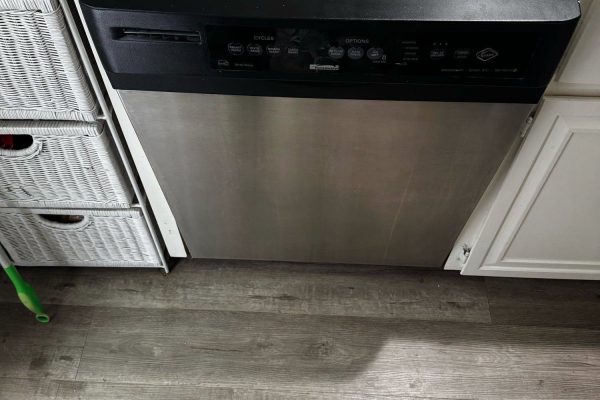


Many homeowners trust their dishwasher to clean dishes thoroughly while keeping fragile glassware intact. Yet, it’s a common but often overlooked problem: your dishwasher might sound normal, run its usual cycle, and leave dishes seemingly spotless — but your glasses could be silently suffering. Over time, minor issues inside your appliance can lead to etching, clouding, cracks, and eventual breakage of even high-quality glassware. Understanding what’s happening inside your dishwasher is crucial to preventing costly damage.
The Subtle Signs of Glassware Damage
Unlike a washing machine that stops mid-cycle or a refrigerator that runs unusually loud, glassware damage often goes unnoticed until it’s too late. The first signs are subtle:
- A faint cloudiness on the surface of glasses
- Small scratches or pitting
- Slight weakening that leads to chips or cracks
These changes are not caused by poor-quality glass or harsh detergents alone. Many times, they stem from hidden mechanical or chemical issues inside the dishwasher itself.
Hard Water and Mineral Buildup
One of the most common culprits is hard water. Dishwashers exposed to hard water over time can develop mineral buildup in spray arms, filters, and water lines. This reduces water pressure and creates uneven spraying. As a result, certain areas of your glassware may experience harsher water jets or insufficient rinsing, causing micro-scratches and surface etching.
Hard water also reacts with detergents, leaving mineral deposits on glass surfaces. Even when glasses appear clean after a cycle, this invisible layer gradually erodes the surface, dulling clarity and making the glass more fragile.
Incorrect Detergent Usage
Not all dishwasher detergents are created equal. Using high-phosphate powders in combination with hard water can accelerate glass corrosion. Over time, this leads to cloudy, etched surfaces. Conversely, low-quality gel detergents may not dissolve fully, leaving residue that scratches delicate glassware during cycles.
Water Temperature Issues
Dishwashers rely on precise water temperatures to clean effectively without damaging dishes. Water that is too hot can cause thermal stress, while water that’s too cold can leave detergent residue and mineral buildup. Both extremes subtly weaken glass over repeated cycles. Many dishwashers have heating element issues that aren’t obvious — a functioning machine might still be running too hot or too cold for delicate glassware.
Spray Arm and Rack Problems
Even when your dishwasher sounds normal, internal components may be misaligned or worn. Spray arms may spin irregularly, spraying water directly onto glass edges at high pressure. Racks with broken or missing prongs can allow glasses to shift or collide during a cycle. Even minor contact between glasses can cause microchips that worsen over time.
Overloading and Improper Loading
Another frequently overlooked factor is user error. Overloading the dishwasher or placing delicate glasses too close together increases the risk of collisions and water pressure damage. While this isn’t a mechanical fault, the effect is amplified if other internal issues, like weakened spray arms or poor water circulation, exist.
What You Can Do to Protect Your Glassware
Preventing damage requires both proper care and professional maintenance:
- Use the right detergent for your water type and glassware. If you have hard water, consider a water softener or specialized dishwasher detergent.
- Monitor water temperature during cycles. Make sure your dishwasher heats water within recommended ranges for delicate glass.
- Inspect racks and spray arms regularly. Replace damaged prongs or bent arms immediately.
- Avoid overloading. Leave enough space between glasses and avoid stacking fragile items.
- Schedule professional service periodically. Many internal issues — mineral buildup, heating element malfunctions, or misaligned spray arms — are invisible without expert inspection.
Professional Inspection Can Save Glassware
Even a dishwasher that appears to run normally can silently damage your glassware. A trained appliance technician can identify hidden problems before they lead to significant damage or costly replacements. Services include checking water pressure, inspecting spray arms, testing heating elements, and diagnosing chemical or mineral issues.
Don’t wait until your favorite glasses show cracks or clouding. Early intervention keeps your dishes safe and extends the life of your dishwasher.
Protect your glassware before it’s too late. Contact Poway Appliance Repair Service Center for a professional dishwasher inspection today. Our experts will diagnose hidden faults, perform necessary maintenance, and ensure your appliance cleans effectively without harming your glassware.
Contact us:
Phone: (858) 203-0990
Email: [email protected]