

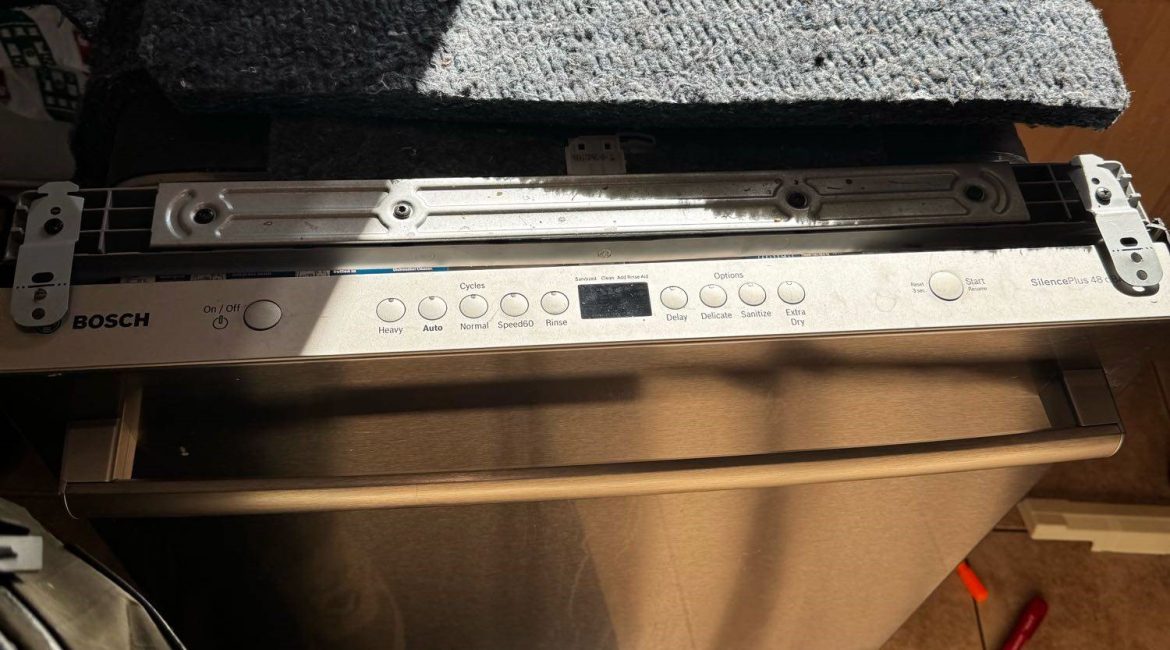
Dishwashers have become essential in modern kitchens, simplifying the tedious task of washing dishes. Most units excel at cleaning lightly soiled plates and utensils, leaving you with sparkling results in just one cycle. However, a common frustration many homeowners face is that their dishwasher struggles with baked-on food residue. What appears to be a minor inconvenience is often a hidden mechanical issue known as a pressure calibration fault, and it’s far more common than you might think.
A dishwasher relies on several components working in perfect harmony to ensure efficient cleaning. Water pressure plays a pivotal role in this process. Sprayer arms, jets, and nozzles are designed to deliver water at a specific force and direction, dislodging food particles and rinsing detergent thoroughly. When this water pressure is miscalibrated, your dishwasher may still handle light soil effectively, but it fails to break down tougher, baked-on residues.
Pressure calibration faults can occur due to various reasons. Over time, mineral buildup from hard water can block nozzles and restrict flow, reducing effective pressure. Mechanical wear in the pump or misalignment of the spray arms can also impact performance. In newer models, software-controlled pumps may suffer from factory calibration errors, causing inconsistent pressure during cycles. The result is partially cleaned dishes, stubborn spots, and frustration after every load.
One of the most challenging aspects of a pressure calibration fault is that it is easy to misdiagnose. Many users assume the problem lies in the detergent or the type of wash cycle chosen. While switching detergents or selecting a more intense cycle may offer temporary relief, the underlying issue remains. Misdiagnosing the problem often leads to repeated failed cycles and wasted water and energy, increasing the overall cost of operation over time.
Identifying a pressure calibration fault requires careful inspection. Technicians often begin by examining the spray arms for clogs, checking the water inlet valve for obstructions, and measuring pump output to ensure the correct pressure is being delivered. Sensors and electronics may also be tested in models where the pump is electronically controlled. While some issues can be temporarily mitigated by cleaning filters or using specialized rinse aids, the most effective solution is a professional adjustment or repair of the water pressure system.
For homeowners, there are a few warning signs that your dishwasher may be suffering from this issue:
- Streaks or spots on glassware – Despite using quality detergent and rinse aid.
- Residue remaining on dishes – Especially on pots, pans, or plates with baked-on food.
- Uneven cleaning across racks – Some dishes are spotless while others remain dirty.
- Increased cycle duration – The dishwasher may take longer as it attempts to compensate for low pressure.
Ignoring these symptoms can lead to more significant problems over time. Inefficient cleaning may leave bacteria and food particles behind, causing odors or unsanitary conditions. Continuous strain on the pump may result in permanent damage, leading to costly replacements. Recognizing the problem early ensures both hygiene and long-term reliability.
Poway Appliance Repair Service Center specializes in diagnosing and correcting pressure calibration faults in dishwashers. Their experienced technicians can accurately assess water pressure, repair or replace faulty components, and ensure your dishwasher is performing at its optimal level. With professional service, even older units can regain their full cleaning potential, saving you money compared to full replacement.
Ultimately, while it’s easy to blame detergent or overcooked food for cleaning failures, many dishwasher problems trace back to mechanical issues like pressure calibration faults. Understanding the root cause helps homeowners make informed decisions and maintain their appliances more efficiently. If you notice that your dishwasher excels at light washing but struggles with baked-on residue, it’s time to take action before the problem worsens.
If your dishwasher is leaving baked-on food behind, don’t wait. Contact Poway Appliance Repair Service Center today for a professional inspection and restore your appliance’s full cleaning power.
Contact us