
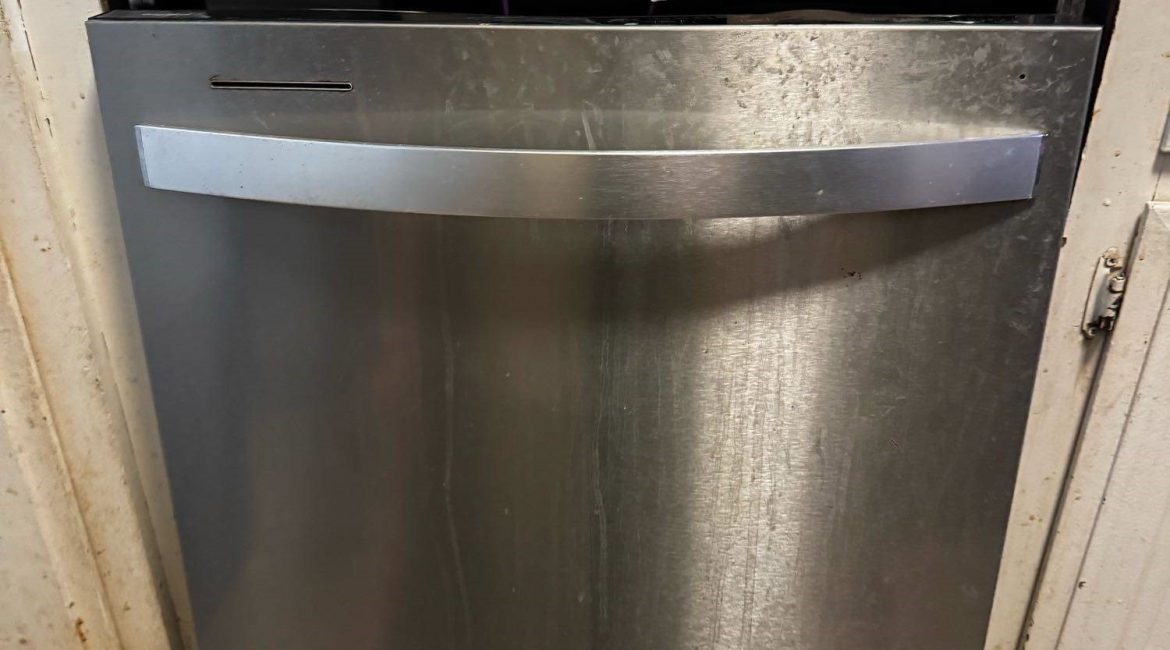
When your dishwasher completes a full wash cycle, opens normally, and shows no error codes, it’s easy to assume everything is fine. After all, the machine ran from start to finish. But many homeowners in Poway discover an unpleasant truth only after unloading the dishes: food residue remains, glasses feel greasy, or items are still lukewarm and poorly cleaned.
This situation is one of the most misleading dishwasher problems. The appliance appears functional on the surface, but one or more critical internal systems are no longer doing their job properly.
Why a “Completed Cycle” Doesn’t Mean a Proper Wash
Modern dishwashers are designed to finish cycles even when performance drops. Sensors may not always detect gradual failures, especially when components degrade slowly rather than break completely. As a result, the machine drains, dries, and shuts off normally—while the cleaning process itself is quietly failing.
The Most Common Internal Failures
- Weak or Failing Circulation Pump
The circulation pump is responsible for pushing water through the spray arms at high pressure. When it begins to wear out, water still moves, but not forcefully enough to remove food particles. The cycle completes, but dishes come out partially dirty. - Clogged or Damaged Spray Arms
Mineral deposits, grease, and food debris can block spray arm holes. Even one clogged section reduces water coverage. Over time, plastic spray arms can also warp or crack, redirecting water away from dishes. - Heating Element Not Reaching Proper Temperature
If the heating element isn’t fully heating the water, detergent won’t dissolve correctly, and grease won’t break down. The dishwasher may still heat slightly—enough to avoid triggering an error—but not enough to clean effectively. - Detergent Dispenser Malfunction
A faulty dispenser may open too late, partially, or not at all. This means detergent is released after the main wash phase or remains trapped, resulting in poor cleaning despite a completed cycle. - Restricted Filters and Internal Channels
Filters protect the pump and spray system, but when clogged, they restrict water flow. Many users clean visible filters but overlook internal channels that also accumulate buildup over time.
Why This Problem Gets Worse Over Time
A dishwasher that “almost works” puts extra strain on other components. For example, a weak pump forces the motor to work harder, accelerating wear. Lukewarm water leaves grease behind, which then builds up in hoses and spray arms. What starts as mildly dirty dishes can turn into a complete system failure if ignored.
Why DIY Fixes Often Don’t Solve It
Running cleaning cycles, changing detergents, or increasing rinse aid may temporarily improve results, but they don’t address mechanical or electrical failures. Internal components require testing, pressure checks, and sometimes disassembly—tasks best handled by a professional technician.
When to Call a Professional
If your dishwasher:
- Finishes cycles but dishes aren’t fully clean
- Leaves greasy residue or cloudy glassware
- Uses detergent inconsistently
- Feels cooler than usual at the end of a cycle
These are clear signs that something inside isn’t working anymore, even if the machine appears normal.
Professional Diagnosis Makes the Difference
At Poway Appliance Repair Service Center, technicians don’t just look for error codes. They test water pressure, heating performance, pump efficiency, and internal flow paths to find the exact cause of the failure. Accurate diagnosis prevents unnecessary part replacements and restores full cleaning performance.
Don’t Wait for a Complete Breakdown
Dishwashers rarely stop suddenly. They warn you quietly—through poor cleaning results. Addressing the issue early can save you from costly repairs or full replacement later.
If your dishwasher finishes the cycle but doesn’t actually clean the way it used to, contact Poway Appliance Repair Service Center today. Our experienced technicians will identify the hidden failure and get your dishwasher working properly again.
Contact us