

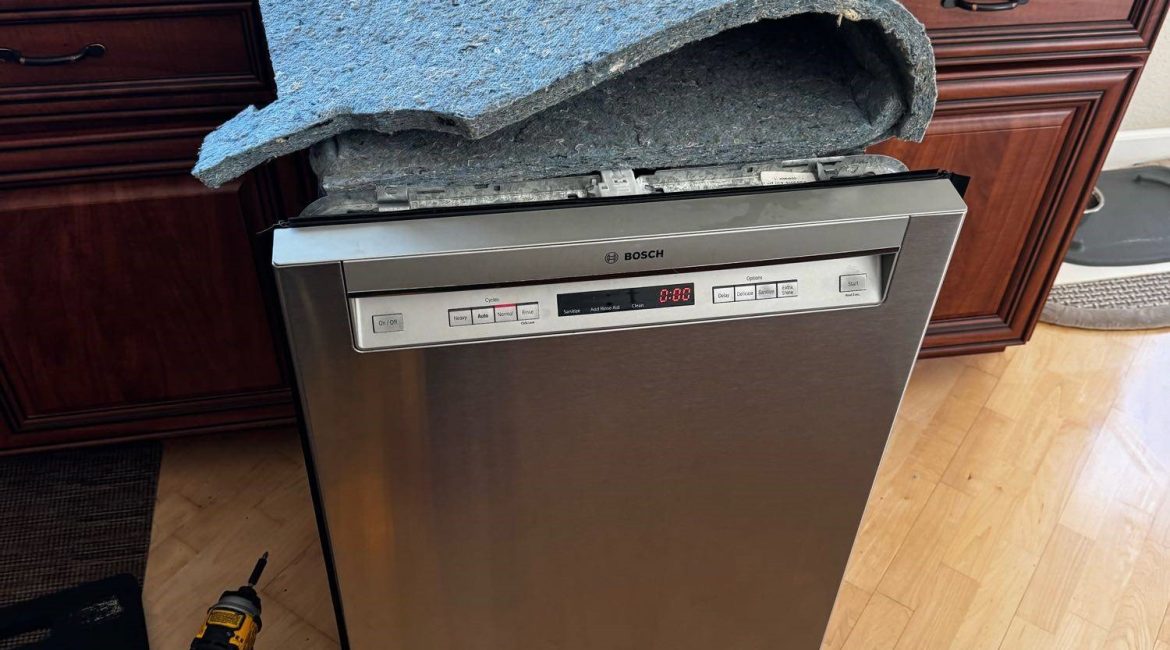
Have you ever taken your dishes out of the dishwasher, felt the heat lingering on the plates, and assumed they were spotless—only to notice streaks, leftover food, or a lingering film? This is a surprisingly common problem, and it’s one that can make even the most meticulous home cook frustrated. Understanding why this happens is essential to keeping your dishes truly clean, safe, and hygienic.
The first thing to understand is that a dishwasher’s heat alone does not guarantee cleanliness. Modern dishwashers rely on a combination of water pressure, detergent, temperature, and cycle duration to remove food particles, grease, and bacteria. If any of these components are not working properly, your dishes may emerge feeling hot but still carrying residues.
- Ineffective Water Distribution
One of the most common reasons for incomplete cleaning is poor water circulation. Dishwashers spray water through rotating arms, and if these arms are blocked by large items or mineral buildup, water won’t reach all surfaces effectively. This means certain dishes, especially those in corners or on the top rack, may not receive the necessary force to dislodge food particles. - Detergent Problems
Even the hottest water can’t compensate for poor detergent performance. Old or improperly stored detergent, or using too little, can prevent the chemical breakdown of grease and stuck-on food. Some detergents also have trouble working in hard water, which can leave behind streaks and spots despite the cycle running to completion. - Filter and Drain Issues
Dishwashers have filters that trap food particles to prevent them from redepositing on dishes. Over time, these filters can become clogged. When this happens, water may flow poorly, and small debris can end up back on your plates, glasses, and cutlery. Similarly, a partially blocked drain can reduce the effectiveness of rinse cycles, leaving dishes looking clean but not truly sanitized. - Incorrect Loading
How you load your dishwasher matters more than most people realize. Overcrowding prevents water and detergent from reaching every surface. Mixing very large pots with small glasses can block water flow, leaving some items inadequately cleaned. Following the manufacturer’s recommendations for placement can dramatically improve results. - Temperature and Cycle Settings
Feeling heat on your dishes is not the same as reaching the right washing temperature. Most dishwashers require water at 120–160°F (49–71°C) to effectively dissolve grease and eliminate bacteria. If your home water supply is too cold, or if you consistently run short cycles, the dishwasher may not reach the necessary cleaning temperature—even though your dishes feel warm to the touch. - Wear and Tear on Components
Over time, components like spray arms, heating elements, pumps, and seals can wear down. A failing heating element may leave your dishes only slightly warm rather than properly sanitized. Similarly, worn spray arms or clogged nozzles can prevent water from hitting every surface, meaning dishes appear clean on top but still harbor residue. - Hard Water and Mineral Deposits
Hard water can create a layer of mineral deposits on dishes, which can appear as cloudiness or a white film. This buildup also affects the dishwasher’s internal mechanisms, reducing water pressure and detergent effectiveness. Using a water softener or dishwasher-safe rinse aid can help, but professional maintenance may be required if the problem persists. - Hidden Contaminants
Even if your dishes look visually clean, bacteria and mold can remain in areas that are hard to reach, such as on the edges of glasses, underneath lids, or in intricate utensil designs. This is why professional maintenance and occasional deep cleaning of your dishwasher is critical for hygiene.
If your dishes regularly feel hot but still come out with residue, streaks, or cloudiness, it’s a signal that your dishwasher needs more than just detergent and a hot cycle. From clogged filters and spray arms to failing heating elements or poor water circulation, multiple factors could be compromising your machine’s cleaning performance.
Ignoring these issues not only affects your dishwashing results but could also impact your health by allowing bacteria and mold to linger. Scheduling professional maintenance ensures your dishwasher operates at peak performance, extending its lifespan and keeping your dishes truly clean.
Don’t let your dishwasher deceive you with hot-but-dirty dishes. Contact Poway Appliance Repair Service Center today for a thorough inspection and repair. Our experts will ensure your dishwasher cleans efficiently, leaving every plate, glass, and utensil spotless.
Contact us