

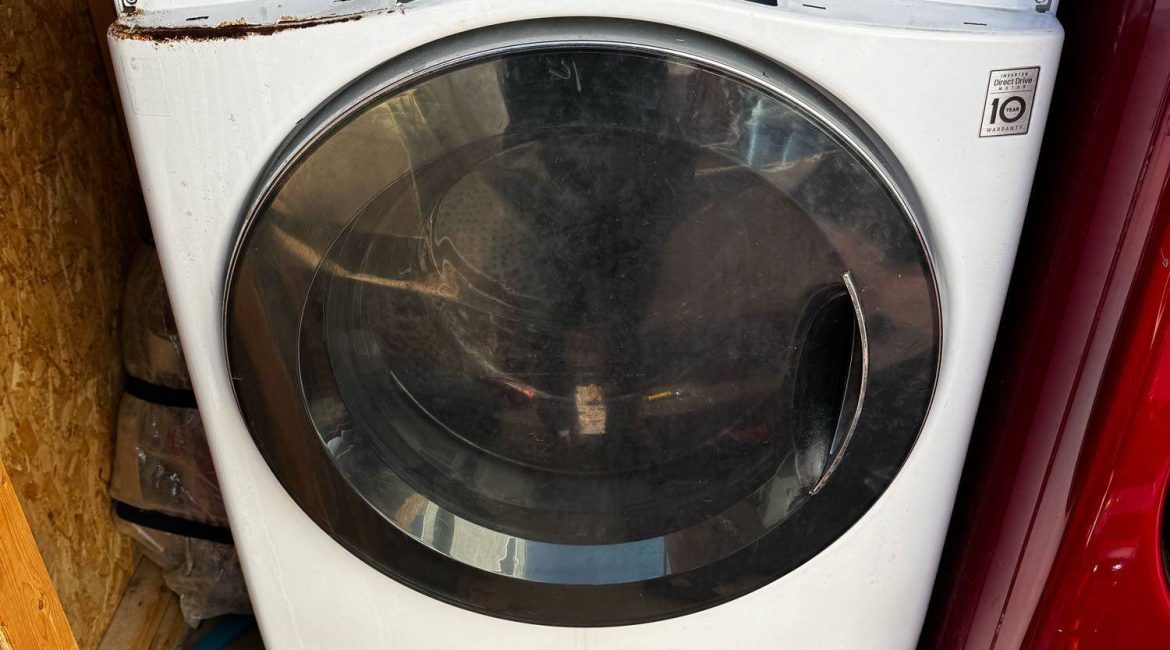
There’s nothing more frustrating than doing a full load of laundry, only to pull out clothes that still smell musty, sour, or just plain “off.” A washing machine that fails to leave your laundry smelling fresh is not only inconvenient but can also indicate an underlying problem with your appliance. Understanding the common causes behind these odors can help you address the issue promptly and avoid recurring laundry problems.
1. Mold and Mildew Build-Up
One of the most frequent culprits behind unpleasant laundry odors is mold and mildew growth inside the machine. Washing machines, especially front-loading models, create a moist environment that is perfect for mold. Residue can accumulate in the door gasket, detergent drawer, and even in hidden internal components. Over time, this build-up produces a persistent musty smell that transfers to your clothes.
Signs of mold include a noticeable odor in the drum, black or dark green spots around the rubber door seal, or a damp smell on freshly washed laundry. Mold can develop faster if clothes are left sitting in the drum for hours after a wash cycle or if the machine isn’t regularly ventilated.
2. Detergent and Fabric Softener Residue
Using too much detergent or fabric softener can lead to a build-up that traps dirt, bacteria, and soap scum inside the washer. Over time, this residue becomes a breeding ground for odor-causing microbes. Powder detergents that do not dissolve completely or liquid softeners that are poured directly into the drum instead of the proper compartment can exacerbate the problem.
To prevent this, always follow manufacturer guidelines on detergent use, and periodically run a maintenance cycle with a washing machine cleaner or white vinegar to flush out residue.
3. Blocked or Dirty Drainage System
A clogged or partially blocked drain pump or hose can cause water to stagnate inside your washing machine. Stagnant water quickly becomes a source of foul smells and can even affect washing performance. This often happens when lint, hair, or small fabric particles collect in the filter or drainage pipe.
Regular maintenance, such as cleaning the filter and checking hoses for blockages, is essential to prevent drainage issues and associated odors.
4. Overloaded Washer or Short Wash Cycles
Overloading the machine or constantly using short wash cycles can reduce the effectiveness of the wash and prevent detergent from fully rinsing out. This leaves bacteria, sweat, and dirt trapped in fabrics, which later produces unpleasant odors. While short cycles are convenient, they may not be suitable for heavily soiled laundry.
For best results, avoid overfilling the drum and consider running occasional longer cycles with higher water temperatures to thoroughly clean the machine and clothes.
5. Failing or Worn Components
In some cases, recurring odors may indicate mechanical problems inside the washing machine. A worn-out drum bearing, faulty pump, or malfunctioning heater can prevent proper water circulation, reduce cleaning efficiency, and create conditions for bacterial growth.
If your washer has a persistent smell despite thorough cleaning and proper detergent use, it may be time to call a professional to inspect internal components. Technicians can identify failing parts and prevent more serious breakdowns, saving you from costly repairs in the future.
6. Water Quality Issues
Hard water or water with high mineral content can leave deposits inside your washing machine, contributing to odor problems. Over time, limescale buildup can trap soap and dirt, encouraging bacterial growth. Using a water softener or descaling agent periodically can help maintain a cleaner machine and fresher laundry.
Prevention Tips
- Leave the door open between washes to allow the drum to dry completely.
- Clean the detergent drawer and door gasket regularly.
- Run a hot water maintenance cycle with washing machine cleaner or white vinegar monthly.
- Avoid overloading the washer and adhere to detergent guidelines.
- Inspect and clean filters, hoses, and pumps periodically.
When to Call a Professional
Persistent odors that do not respond to cleaning or preventive measures may indicate deeper mechanical issues. Calling a qualified technician ensures that worn or failing components are identified and replaced safely, restoring your washing machine’s performance and keeping your clothes fresh.
If your washing machine leaves clothes smelling after washing, don’t wait until the problem worsens. Contact Poway Appliance Repair Service Center for a thorough inspection and professional repair. Our certified technicians can pinpoint the cause, fix internal issues, and ensure your laundry comes out clean and fresh every time.
Contact us