
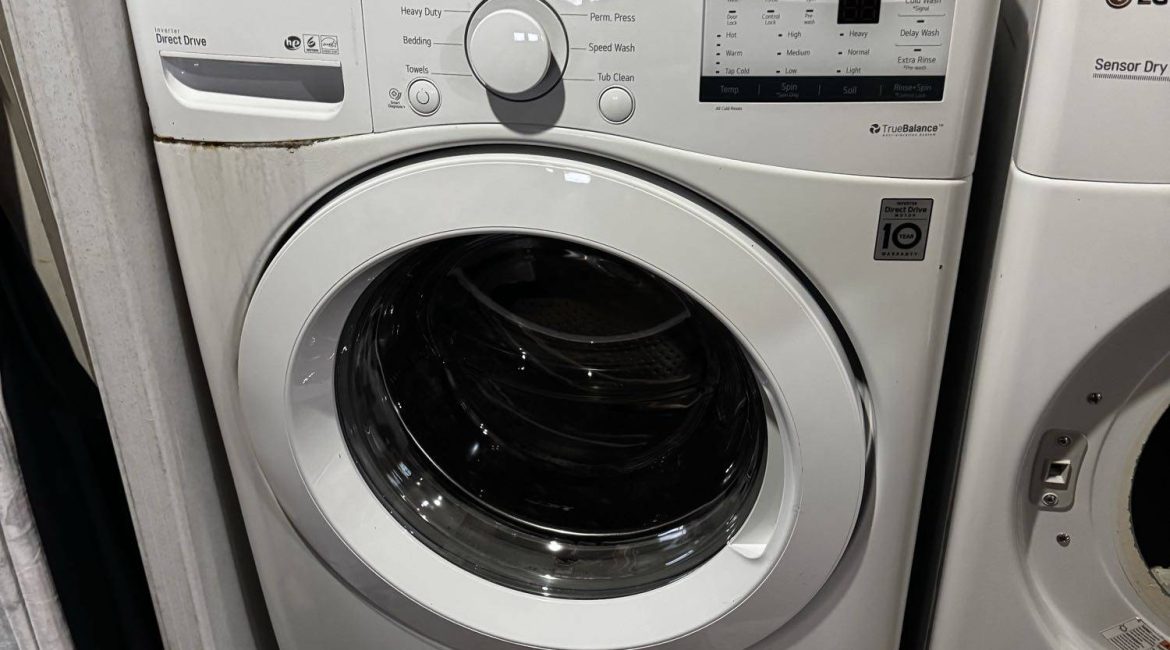
A washing machine that fills with water but fails to start agitating or spinning is a common problem many homeowners face. This issue can be frustrating, especially when laundry piles up, and the appliance seems completely unresponsive despite appearing to operate normally. Understanding the possible causes can help identify whether the problem is something simple or requires professional repair.
1. Faulty Drive Motor or Motor Coupling
The drive motor is the heart of your washing machine. It powers both the drum’s agitation during wash cycles and the spinning during the rinse and spin cycles. If your machine fills with water but doesn’t move, the motor may have failed. Signs of a motor problem can include:
- A humming noise without drum movement.
- Burning smells or overheating from the motor area.
- Inconsistent or no response when changing cycles.
Some washing machines use a motor coupling, which connects the motor to the transmission. If this coupling breaks or wears out, the motor may run, but the drum won’t turn. Motor and coupling issues are not typically DIY repairs and require professional diagnosis and replacement.
2. Transmission or Gear Problems
In machines with a mechanical transmission, worn gears or a damaged clutch can prevent the drum from turning even when the motor is running. A slipping clutch or broken gear may allow the washer to fill with water but fail to agitate. Symptoms include unusual grinding noises, irregular drum movement, or complete inactivity after filling. Repairing these internal components usually requires a technician, as it involves disassembling the washer.
3. Control Board or Timer Malfunction
Modern washing machines rely on electronic control boards or mechanical timers to manage the sequence of operations. If the control board or timer fails, it may prevent the motor from receiving the signal to start. Common signs include:
- Washer fills with water but does not move through cycles.
- Display panels showing error codes or flickering lights.
- Intermittent operation, where the drum occasionally moves but mostly stays still.
Electronic issues are often subtle and difficult to diagnose without specialized tools, so calling a certified repair service is recommended.
4. Lid Switch or Door Lock Issues
Most top-loading washers have a lid switch, while front-loading machines use a door lock mechanism. These safety features prevent the drum from spinning while the lid is open. If the switch or lock is faulty, the washer may fill with water but will not agitate or spin. Signs include:
- No drum movement despite full water levels.
- Washer works when the lid is manipulated manually (top loaders).
- Error codes indicating “door” or “lid” issues.
Replacing a lid switch or door lock is relatively straightforward for a professional technician.
5. Belt Problems (for Belt-Driven Washers)
Older or belt-driven washers use a belt to transfer motion from the motor to the drum. If the belt is broken or worn, the motor may run, but the drum won’t turn. Look for:
- Motor running normally but drum still.
- Visible wear or broken belt during inspection.
Replacing a belt is a standard repair but usually requires professional handling to ensure correct tensioning and alignment.
6. How to Troubleshoot Before Calling a Technician
Before contacting a repair service, you can check a few things safely:
- Ensure the washer is level and stable — an unbalanced machine may fail to start.
- Check for error codes on the display and consult the user manual.
- Inspect the lid switch or door lock for visible damage.
- Listen for unusual sounds when starting a cycle.
If these checks do not identify the problem, it is best to call a professional. Attempting to open the motor or control board without experience can cause further damage.
7. Why Professional Service Is Recommended
Washing machines involve high-voltage electrical components, water connections, and complex mechanical parts. A professional technician can:
- Diagnose the exact cause efficiently.
- Replace faulty motors, belts, or control boards safely.
- Ensure proper reassembly and operation, preventing future issues.
Attempting a DIY repair without proper knowledge can void the warranty or risk injury.
A washing machine that fills with water but does not move can be caused by several issues, including motor failure, broken belts, transmission problems, faulty control boards, or defective lid switches. While minor issues like lid switches might be simple to fix, motor and control problems require professional attention.
If your washing machine is not moving after filling with water, don’t risk further damage. Contact Poway Appliance Repair Service Center for expert diagnosis and repair. Their trained technicians can quickly identify the problem and restore your washing machine to full operation, saving you time, stress, and potential additional costs.
Call Poway Appliance Repair Service Center today and get your washer working again!
Contact us