

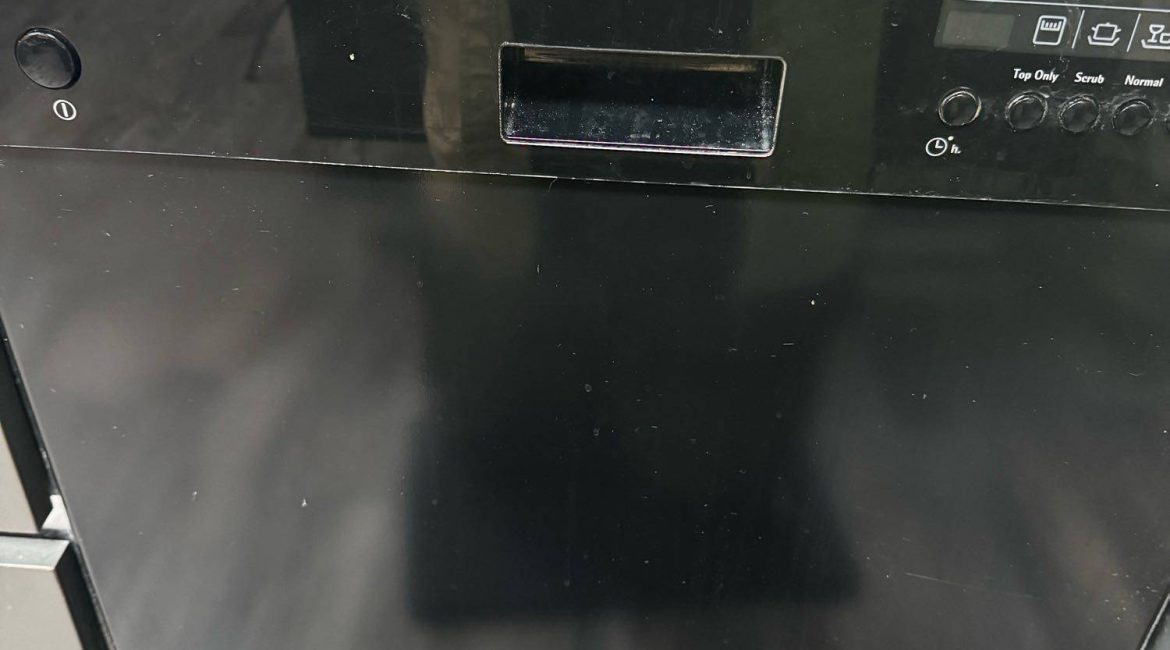
A dishwasher that completes its cycle without errors may seem perfectly fine, but noticing that your dishes come out slightly damp can signal an underlying issue. While it might be tempting to ignore this early drying problem, understanding what could be causing it is key to preventing bigger appliance problems and maintaining proper hygiene in your kitchen.
Why Damp Dishes Happen
Modern dishwashers rely on a combination of heat, water circulation, and detergent to clean dishes thoroughly. After the wash cycle, the drying process usually removes residual moisture. If dishes feel wet at the end of the cycle, it may point to one or more issues in the drying mechanism. Common reasons include:
- Rinse Aid Levels Are Low
Rinse aids are specially formulated liquids that help water sheet off dishes during the drying cycle. Without sufficient rinse aid, water tends to cling to surfaces, leaving spots or dampness. Checking and replenishing your rinse aid can often resolve mild drying problems. - Plastic Dishes Retain Moisture
Plasticware is notorious for retaining water because it doesn’t absorb heat the same way glass or ceramic does. If your dishwasher dries glass and metal dishes perfectly but plastic items remain damp, this may be a normal occurrence, but there are ways to improve it. - Heating Element Malfunction
Most dishwashers rely on a heating element to boost drying efficiency. A faulty or weak heating element may still allow the cycle to finish without triggering an error, yet dishes remain damp. Diagnosing and replacing a damaged element ensures proper drying and reduces energy waste. - Ventilation Problems
Dishwashers are designed to release moist air during the drying cycle. A blocked vent or malfunctioning fan can trap humidity inside, preventing dishes from drying completely. Regular cleaning of vents and air channels helps maintain optimal airflow. - Overloading the Dishwasher
Sometimes the problem isn’t mechanical. Overloading the dishwasher can prevent proper water and air circulation. If dishes are crowded, water may pool in crevices, and heat cannot reach all surfaces. Rearranging dishes with space between items can significantly improve drying performance.
Early Signs of Larger Issues
Although slightly damp dishes might seem minor, they can indicate early-stage problems that, if left unaddressed, may worsen. For example:
- Gradual Decline in Drying Efficiency: If the dishwasher gradually produces wetter dishes over time, it may point to a weakening heating element or scale buildup.
- Unusual Noise or Vibrations: While cycles may finish normally, abnormal sounds can indicate components are straining.
- Residual Water at the Bottom: Standing water after cycles could hint at drainage or pump issues, which can eventually cause leaks or odor problems.
Addressing these early warning signs promptly can prevent larger repairs, improve hygiene, and extend the lifespan of your appliance.
Solutions to Improve Drying
Several steps can help restore your dishwasher’s drying performance:
- Check and Refill Rinse Aid: This is the simplest and most effective fix for slightly damp dishes.
- Use the Heat Dry Option: Many dishwashers have a heat-dry setting that actively warms dishes at the end of the cycle. Ensure this option is enabled.
- Load Dishes Properly: Avoid overcrowding and ensure items are angled so water drains easily.
- Clean the Dishwasher Regularly: Remove debris from filters, vents, and spray arms to maintain efficient operation.
- Schedule Professional Inspection: A qualified technician can test heating elements, check for scale buildup, and ensure that vents and sensors are functioning properly.
When to Call a Professional
If after trying basic troubleshooting steps your dishes still come out damp, it’s time to call a professional. Technicians can:
- Test the heating element and replace it if necessary.
- Examine venting and fan operation.
- Detect hidden mechanical or electrical issues that may not trigger error codes.
- Provide routine maintenance that prevents future problems.
Waiting too long may lead to more extensive repairs or even the need for a replacement dishwasher. Catching early issues ensures your appliance runs efficiently, saves energy, and keeps your dishes hygienically clean.
A dishwasher that finishes without errors but leaves dishes slightly damp is signaling a minor yet important issue. Whether it’s low rinse aid, plastic retention, a faulty heating element, or blocked vents, addressing these concerns early ensures your appliance operates at peak efficiency. Don’t ignore this warning — prompt action can save time, energy, and money in the long run.
For expert diagnosis and repair, contact Poway Appliance Repair Service Center today. Their experienced technicians can quickly identify the cause of your dishwasher’s drying issues and restore optimal performance, leaving your dishes spotless and dry after every cycle.
Contact us
(858) 203-0990