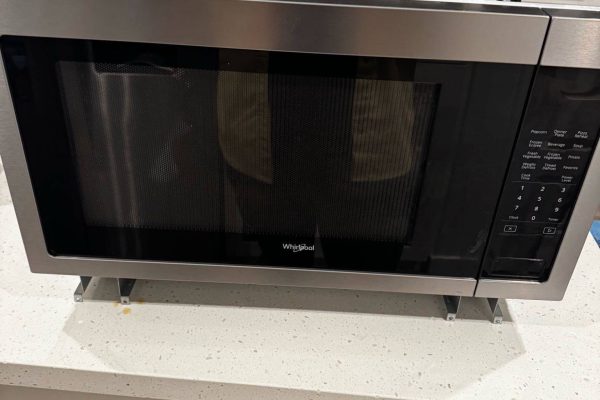

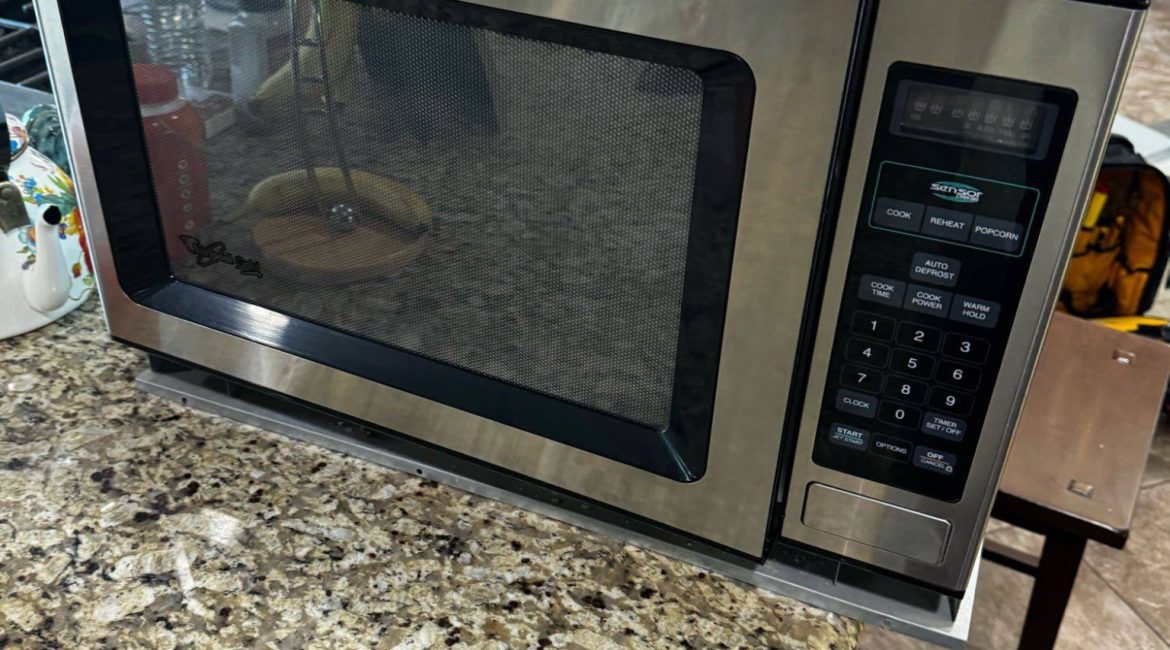
When a microwave door stops closing tightly, most homeowners instantly worry about safety. And they should—because a properly sealed microwave door is essential for containing microwave energy inside the chamber. Even a minor misalignment, loose hinge, or worn latch component can cause performance issues, inconsistent heating, or complete shutdown of the appliance. Understanding the cause of a poorly closing microwave door helps prevent further damage and ensures your kitchen stays safe.
A microwave door is more than just a flap that shuts. It’s a crucial barrier that works through interlocking safety switches, hinges, springs, and latch hooks. When even one of these components begins to wear out, the entire mechanism becomes unreliable, leading to gaps, resistance when closing, or a failure of the safety switches to engage. Below are the most common causes and what they may mean for your appliance.
Worn Hinges: The First Sign of Trouble
Microwave doors open and close dozens—sometimes hundreds—of times per month. Over the years, the hinges begin to wear out. These hinges are designed to keep the door aligned with the frame so the safety switches activate properly. When they loosen or bend, the door can sag slightly, resulting in:
- The door failing to click into place
- A small gap between the frame and the door
- Difficulty latching unless extra pressure is applied
- The microwave refusing to start because the safety switches are not activated
Worn hinges may not seem like a major problem at first, but the longer the appliance is used in this condition, the greater the risk of misaligned components and damage to the internal switch system. A misaligned door puts strain on the latch mechanism, causing premature wear to the plastic hooks and the internal door frame. In some cases, the microwave may take longer to respond or require multiple attempts to start a cycle.
Damaged Latch Mechanism: When the Door Won’t Stay Shut
The latch mechanism consists of small plastic hooks (usually two) that extend from the door and engage with the frame. These hooks activate the internal safety switches that allow the microwave to operate. If the hooks break, crack, or wear down, the door simply won’t stay closed.
Common symptoms of latch mechanism damage include:
- The door closing loosely without the usual clicking sound
- The microwave starting only if pressure is applied to the door
- The door popping open on its own
- The appliance refusing to operate
Plastic parts are particularly vulnerable to wear, especially if the door has been frequently slammed, forced shut, or used as a handle to open drawers or lean on—something many homeowners unintentionally do. Even small cracks can eventually grow into complete breakage, leaving the door unable to lock into place.
In some cases, the internal latch spring can weaken, causing the mechanism to lose tension. This leads to difficulty getting the door to stay firmly shut, requiring hinge adjustments or full latch replacement.
Why This Problem Shouldn’t Be Ignored
A microwave with a loose or improperly sealed door is not just inconvenient—it can be hazardous. The door and its latch system are specifically designed to prevent microwave radiation from escaping. Although modern microwaves have multiple safety switches to prevent operation under unsafe conditions, relying on malfunctioning parts increases the risk of electrical problems and damage to internal components.
Additionally, using the microwave with a weakened door mechanism forces the appliance to work harder. Each time the safety switches fail to connect properly, the control board compensates, which can eventually lead to switch burnout or board failure. Replacing a control board is far more expensive than fixing a hinge or latch mechanism early.
Professional Diagnostics: Why You Need a Technician
Repairing a microwave door is not a simple DIY project. It requires disassembling the door frame, evaluating hinge wear, inspecting latch hooks, and testing the safety switches. Mishandling these components can lead to:
- Poor alignment
- Damaged internal wiring
- Misplaced shielding elements
- Compromised door insulation
A technician from Poway Appliance Repair Service Center can evaluate the condition of the hinges and latch system, adjust alignment, replace worn components, and ensure the microwave meets all safety standards. Professional repair not only restores proper function but extends the lifespan of the appliance.
When Replacement May Be Necessary
In some cases, especially when the door frame is cracked or the internal structure is damaged, replacement may be the safer option. A technician will determine whether repairing hinges and latch components is sufficient or if a full door assembly swap is required.
If your microwave door isn’t closing tightly, don’t ignore the warning signs. Contact Poway Appliance Repair Service Center for fast, reliable, and safe repair service. Your appliance—and your household safety—deserve professional attention.
Contact us