

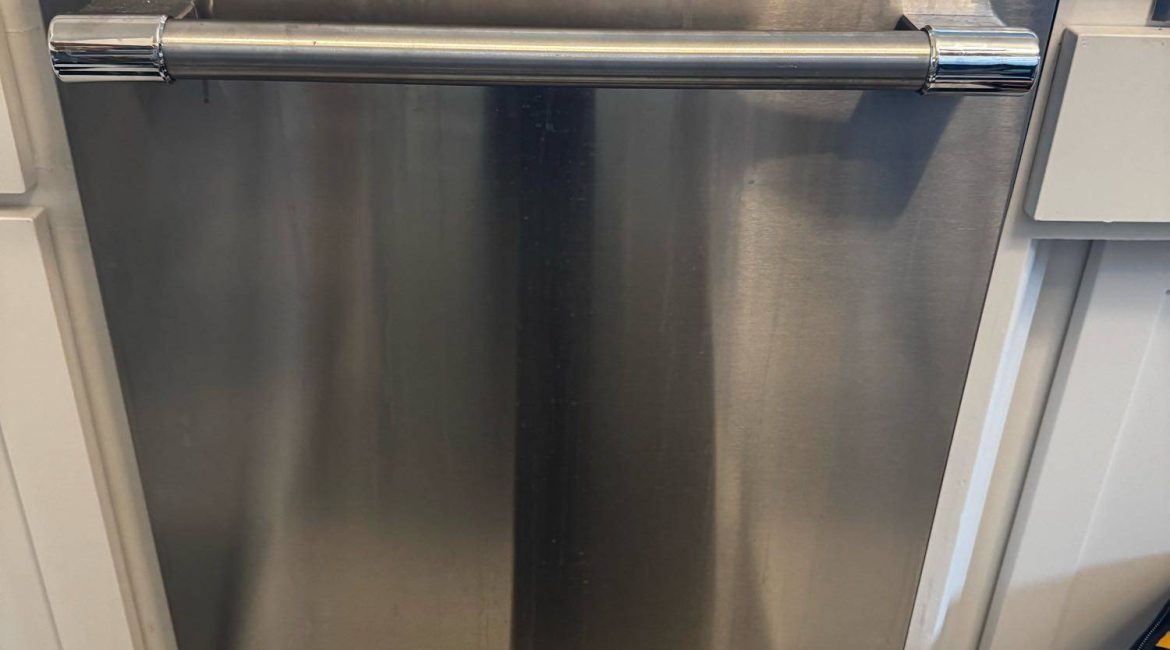
It’s frustrating: your dishes come out of the dishwasher looking spotless at first glance, but once they dry, you notice a fine film or residue coating glasses, plates, and utensils. Many homeowners assume this is due to hard water or low-quality detergent, but often, the culprit is less obvious: a rinse chemistry imbalance inside the dishwasher itself.
Modern dishwashers rely on a delicate balance of detergent, rinse aid, water temperature, and internal water flow to remove food particles and prevent spotting or filming. When any part of this system is disrupted, even slightly, the results are noticeable. Residue formation isn’t just unsightly—it can affect the longevity of your dishes and glassware, and over time, even the performance of your dishwasher.
Understanding the Rinse Chemistry
Rinse chemistry refers to the combination of water, detergents, rinse aids, and the machine’s internal processes that ensure a truly clean, spot-free finish. Detergents contain surfactants that break down grease and suspend food particles, while rinse aids reduce water surface tension, helping water sheet off the dishes during the final rinse cycle. If the chemical balance of this system is off, minerals, soap residues, and microscopic particles can remain behind.
Even when water hardness is within normal limits, a miscalibrated rinse cycle or a failing rinse aid dispenser can cause residue to appear. In some cases, the dishwasher’s internal sensors or pump mechanisms may not be distributing water or rinse aid evenly, resulting in uneven coverage.
Signs of a Rinse Chemistry Imbalance
- White or cloudy residue on glassware, often mistaken for hard water deposits.
- Sticky film on plates or utensils that doesn’t wash off easily.
- Water spots concentrated in certain areas rather than evenly spread.
- Glassware etching, which occurs when the rinse process is inconsistent over time.
Identifying a rinse chemistry problem early can prevent long-term damage to both dishes and the machine itself. Unlike clogged filters or visible debris, chemical imbalances are subtle, often making them one of the most overlooked dishwasher issues.
Common Causes
Several factors can disrupt the dishwasher’s rinse chemistry:
- Low or empty rinse aid dispenser: Without rinse aid, water droplets cling to surfaces, leaving mineral deposits behind.
- Detergent overuse or underuse: Too much detergent can leave a soapy residue; too little may fail to break down oils effectively.
- Hard water issues: High mineral content can react with detergent if water softening mechanisms aren’t functioning properly.
- Malfunctioning sensors or spray arms: Uneven water flow means detergent and rinse aid aren’t reaching all surfaces.
- Temperature inconsistencies: Water that isn’t hot enough during rinse cycles reduces detergent efficiency and leaves residues.
Preventing and Correcting the Issue
Maintaining proper rinse chemistry requires regular attention to your dishwasher’s components and settings:
- Check and refill rinse aid regularly. Even if the dispenser light isn’t on, it’s good practice to refill before it runs dry.
- Use the right detergent. Ensure it’s designed for your water type—soft, medium, or hard.
- Inspect spray arms and filters. Clear obstructions to guarantee proper water distribution.
- Monitor water temperature. Most dishwashers perform best with water between 120–140°F (49–60°C).
- Consider professional calibration. Technicians can adjust chemical dosing, ensure sensors work correctly, and restore balance to your rinse cycles.
When to Call a Professional
If residue persists despite proper detergent, rinse aid, and maintenance, it may indicate deeper issues in the dishwasher’s rinse chemistry system. At this point, professional inspection is essential. Technicians can detect faulty pumps, worn sensors, or rinse aid dispensers that may be contributing to the problem. Addressing the imbalance early prevents costly repairs and ensures dishes remain spotless and safe for daily use.
Poway Appliance Repair Service Center specializes in diagnosing and repairing rinse chemistry imbalances. Their certified technicians can restore your dishwasher’s performance, ensuring every wash finishes with sparkling, residue-free dishes. Don’t let a small chemical imbalance compromise your kitchen hygiene or dishwasher lifespan. Schedule a service today and enjoy truly clean, dry dishes every time.
Contact us
(858) 203-0990