

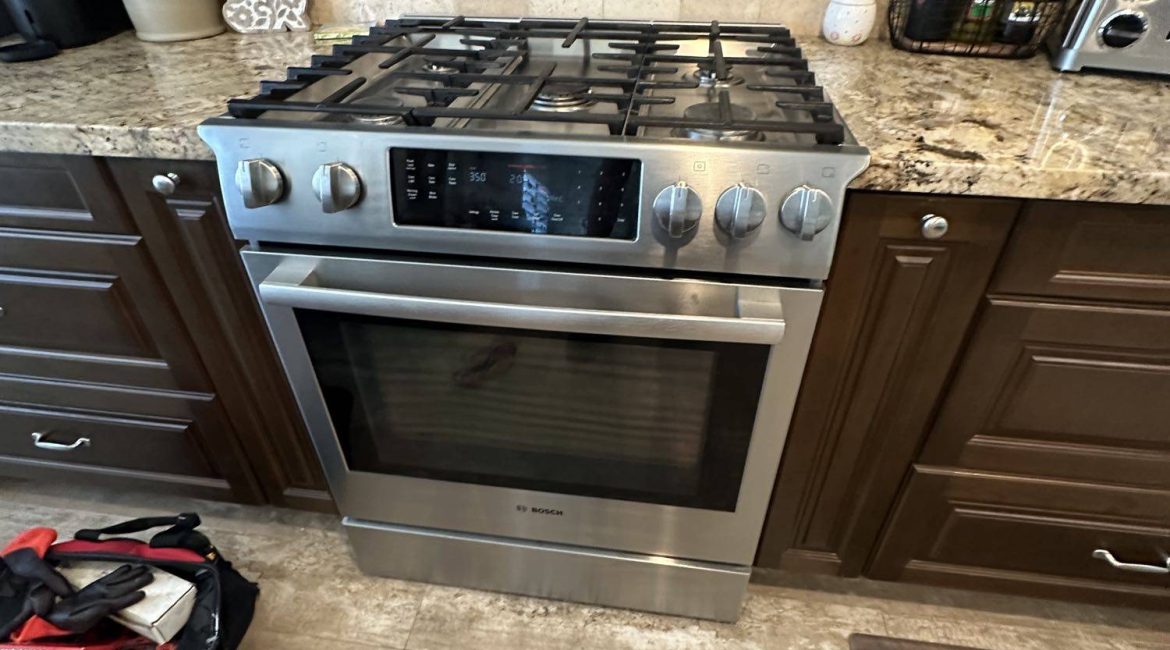
A gas stove is the heart of many kitchens, offering precision and reliability that electric alternatives often struggle to match. However, because it relies on a flammable fuel source, any unusual odor emanating from the appliance should be treated with immediate attention. When a gas stove produces a strong smell during use, the cause typically falls into one of two categories: a gas leak or incomplete combustion. Understanding the difference is not just a matter of appliance maintenance; it is a critical component of home safety.
Understanding the Odor of Natural Gas
Natural gas and propane are inherently odorless. To ensure public safety, utility companies add a chemical called mercaptan, which produces a distinctive, sulfurous smell often compared to rotten eggs. If you detect this scent while the stove is off, or if the smell intensifies when you turn the dials, you are likely dealing with a raw gas leak.
A leak can occur due to a faulty connection in the supply line, a worn-out valve, or a burner that has failed to ignite despite the gas being turned on. Because natural gas is highly combustible, a concentrated buildup in an enclosed kitchen poses a significant risk of fire or explosion. If the smell is overwhelming, the protocol is clear: do not operate any electrical switches, evacuate the premises, and contact emergency services or your gas provider from a safe distance.
The Science of Incomplete Combustion
While a raw gas leak is a plumbing or supply issue, a “sharp” or “chemical” smell during operation often points to incomplete combustion. In a perfectly functioning stove, gas mixes with a specific amount of oxygen to produce a clean, blue flame. This process releases heat, water vapor, and carbon dioxide.
When the fuel-to-air ratio is imbalanced, incomplete combustion occurs. Instead of a clean burn, the process produces carbon monoxide (CO), aldehydes, and soot. Aldehydes are chemical compounds that produce a pungent, metallic, or “burnt” odor that can irritate the eyes and throat. While the aldehydes themselves provide the warning scent, the real danger is the concurrent production of carbon monoxide.
Carbon monoxide is a colorless, odorless, and tasteless gas. It interferes with the blood’s ability to carry oxygen and can be fatal in high concentrations. Because CO itself cannot be smelled, the presence of any “off” odors during cooking—even if they don’t smell like rotten eggs—is a secondary indicator that your appliance is producing dangerous levels of CO.
Visual Indicators of Trouble
You can often diagnose the health of your stove by observing the flame. A healthy flame should be crisp, steady, and blue.
- Yellow or Orange Flames: This is a primary sign of oxygen starvation or burner contamination. A yellow flame is cooler than a blue one and indicates that the gas is not burning completely.
- Soot Accumulation: If you notice black carbon deposits on the bottom of your cookware or around the burner grates, the stove is definitely experiencing incomplete combustion.
- Heavy Moisture: Excessive condensation on nearby windows while the stove is running can indicate an imbalance in the combustion process.
Common Causes of Stove Odors
Several factors can lead to these dangerous conditions. Dust and grease buildup is the most common culprit. If food particles or kitchen oils clog the tiny ports in the burner head, the gas cannot flow evenly or mix properly with air. Similarly, if the air shutter—a small component designed to regulate oxygen intake—is blocked or misaligned, the flame will become “lazy” and produce odors.
In some cases, the issue is environmental. Modern homes are built to be airtight for energy efficiency. If there is insufficient “make-up air” in the kitchen, the stove may struggle to find enough oxygen for a clean burn, leading to a buildup of combustion byproducts.
Prevention and Maintenance
Safety begins with prevention. Homeowners should ensure that a carbon monoxide detector is installed in or near the kitchen and tested monthly. Furthermore, cleaning the burners regularly with a non-abrasive brush and ensuring the stovetop is free of grease spills can prevent many combustion issues.
However, internal components like regulators, valves, and gas lines require professional intervention. Attempting to repair a gas appliance without the proper tools and training can lead to catastrophic leaks or permanent damage to the unit.
Professional Assistance in Poway
If your stove is producing a persistent odor, flickering with a yellow flame, or leaving soot on your pans, it is time to stop use immediately. These are not just inconveniences; they are signs that your appliance is no longer venting or burning fuel safely.
Poway Appliance Repair Service Center specializes in the diagnostic and repair of gas cooking appliances. Our technicians are trained to identify the subtle differences between mechanical failures and supply issues, ensuring your kitchen remains a safe environment for your family. We provide comprehensive leak detection and burner calibration to restore your stove to its peak, safe operating condition.
Do not take risks with gas safety. If you smell something, say something to the experts. Contact Poway Appliance Repair Service Center today to schedule a safety inspection and repair.
Contact us