
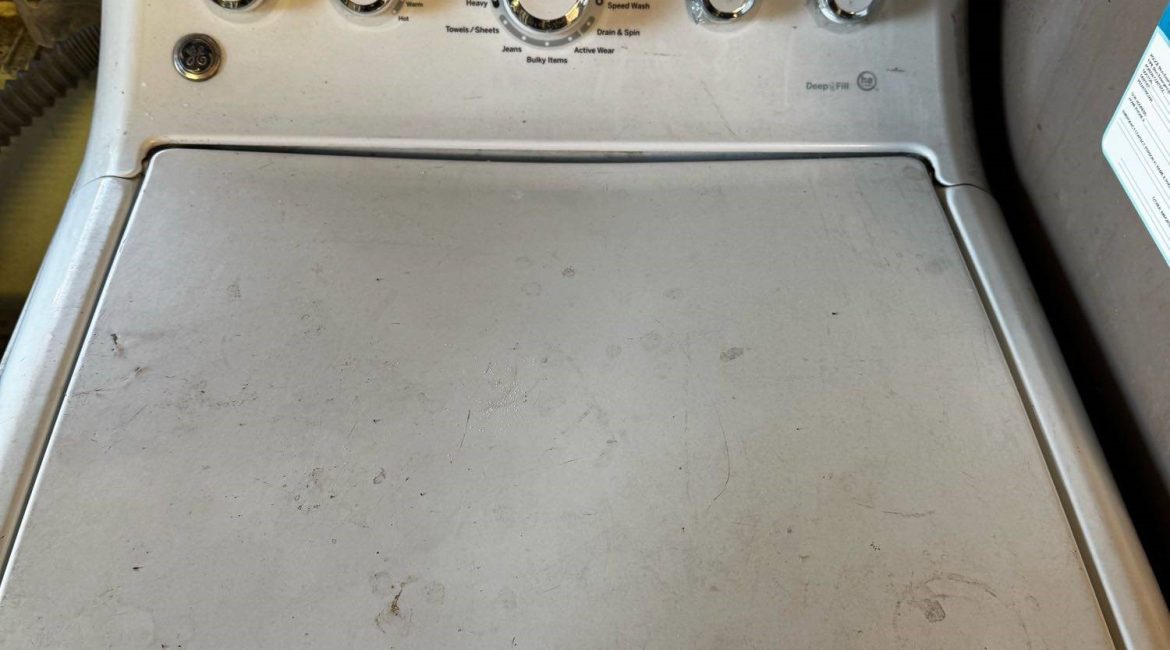
At first glance, everything seems fine. Your washing machine completes cycles without errors, clothes come out looking clean, and there are no strange noises or leaks. Yet over time, you may notice something troubling: fabrics thin out faster than expected, seams weaken, and favorite garments lose their original texture long before their time. This quiet problem often points to an overlooked issue inside the washer — improper drum-to-fabric interaction.
Most homeowners assume fabric damage comes from cheap clothing, harsh detergents, or high spin speeds. While those factors matter, they are not always the root cause. In many cases, the real issue lies in how the drum surface, suspension, and internal motion interact with fabrics during every wash.
Why Clean Clothes Can Still Mean Hidden Damage
A washing machine’s drum is engineered to balance cleaning efficiency with fabric protection. The perforations, paddles, rotation speed, and alignment all work together to move laundry through water gently while lifting dirt away. When any of these elements drift out of specification, friction increases in subtle but damaging ways.
Common mechanical changes that affect fabric interaction include:
- Worn or deformed drum paddles that snag fibers
- Slight drum misalignment causing uneven contact
- Roughened drum surfaces from mineral buildup or corrosion
- Suspension wear that alters movement patterns
- Bearings that allow excess play during rotation
None of these problems necessarily prevent the washer from cleaning effectively. Instead, they increase micro-abrasion — tiny stresses that weaken fibers wash after wash.
The Role of Drum Surface and Motion
Even minor imperfections inside the drum can act like sandpaper on delicate fabrics. A paddle that has loosened by just a few millimeters can pull threads repeatedly in the same direction. Over dozens of cycles, this leads to fuzzing, thinning, and eventual tearing.
Motion patterns matter just as much as surface condition. When suspension components wear unevenly, laundry may slide instead of tumbling properly. This causes clothes to press against the drum wall for extended periods rather than lifting and dropping as designed. The result is increased friction without any visible sign of malfunction.
Because these changes develop slowly, most users don’t connect fabric wear to the washing machine until damage becomes obvious.
Why This Problem Often Goes Unnoticed
Modern washers are excellent at hiding mechanical issues. Advanced motors adjust power automatically, and control boards compensate for imbalances. While this keeps cycles running smoothly, it also masks early warning signs.
Unlike leaks or loud banging, fabric interaction problems don’t trigger error codes. Clothes still look clean. Water usage seems normal. The only evidence is gradual textile damage — something many people attribute to aging garments.
By the time the problem is recognized, the internal wear has often progressed far enough to affect other components, increasing repair costs if ignored.
Long-Term Costs Beyond Clothing
Replacing damaged clothing is an obvious expense, but the hidden costs go deeper. Increased friction puts extra load on the motor, bearings, and suspension system. This accelerates overall machine wear and can eventually lead to more serious failures, such as bearing noise, drum instability, or seal damage.
In other words, what starts as a fabric care issue can quietly shorten the lifespan of your washer.
How Professional Inspection Makes the Difference
Diagnosing drum-to-fabric interaction problems requires more than a visual check. A trained technician evaluates drum alignment, paddle condition, suspension balance, bearing tolerance, and internal surface wear. They also test real-world motion patterns during wash and spin cycles.
Early intervention often allows for targeted repairs instead of major component replacement. Adjusting or replacing worn parts can restore proper fabric movement and protect both your clothes and your appliance.
If you notice increased lint, thinning fabrics, unexplained fraying, or garments wearing out faster than expected — even though wash results look good — it’s time to look deeper. These signs should not be dismissed as normal wear.
For homeowners in the area, Poway Appliance Repair Service Center provides professional washer diagnostics and repairs designed to catch these hidden issues early. Their experienced technicians understand how subtle mechanical changes affect fabric care and appliance longevity.
Protect your clothes, your washer, and your investment. Contact Poway Appliance Repair Service Center today to schedule an inspection and ensure your laundry routine is as gentle as it should be.
Contact us